
Starting college is an exciting yet overwhelming experience. For many first-year students, especially those navigating disability accommodations, the transition to college can feel uncertain. Research consistently shows that students who feel connected to their campus community are more likely to persist, succeed academically, and graduate.1 A sense of belonging is not simply social; it is directly connected to retention and long-term success. Belonging does not happen automatically. It is an active process that begins when students take the first step toward connection.
At URI, there are many structured and informal ways for students to build community, both within DAI and across campus.
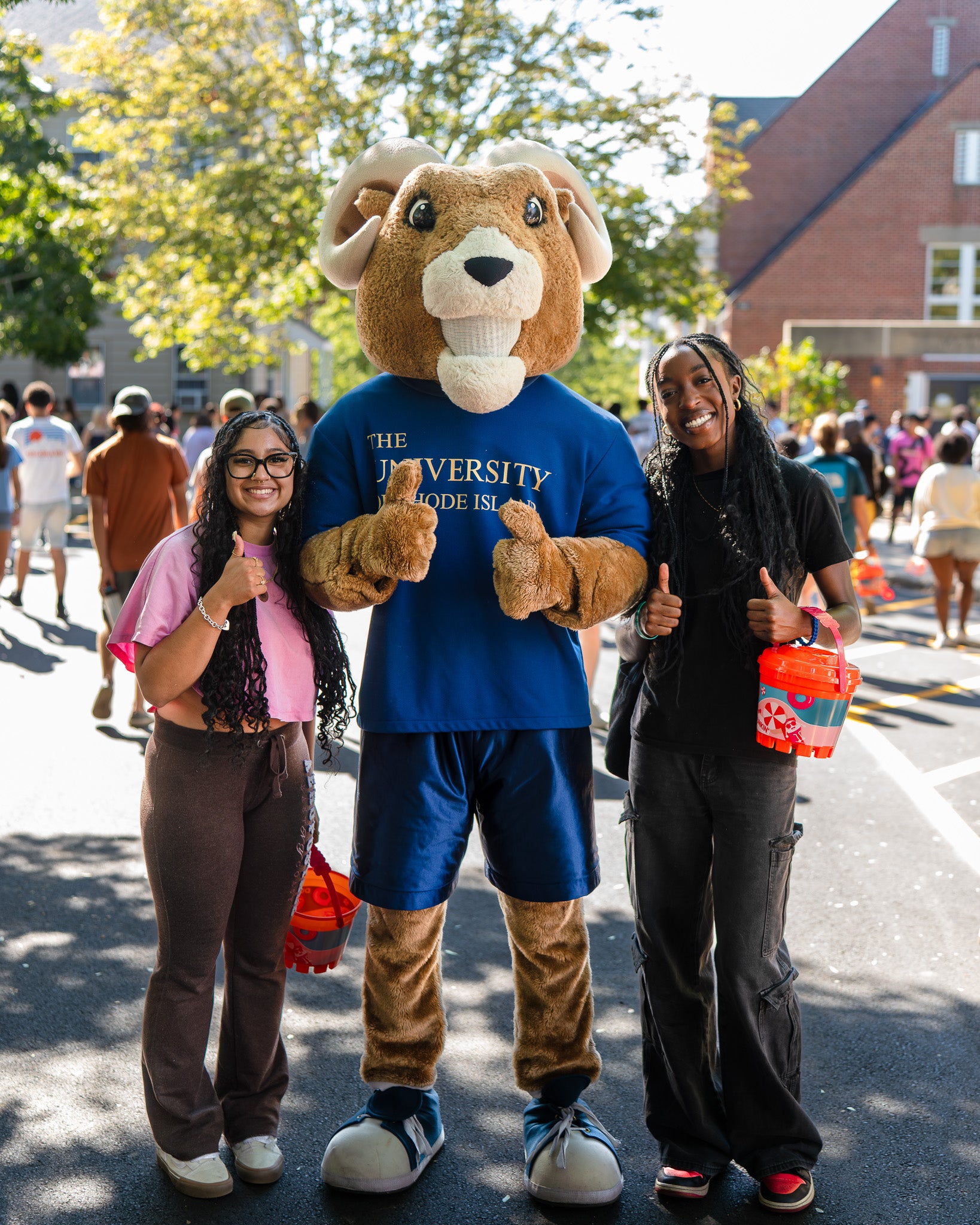
Campus Traditions
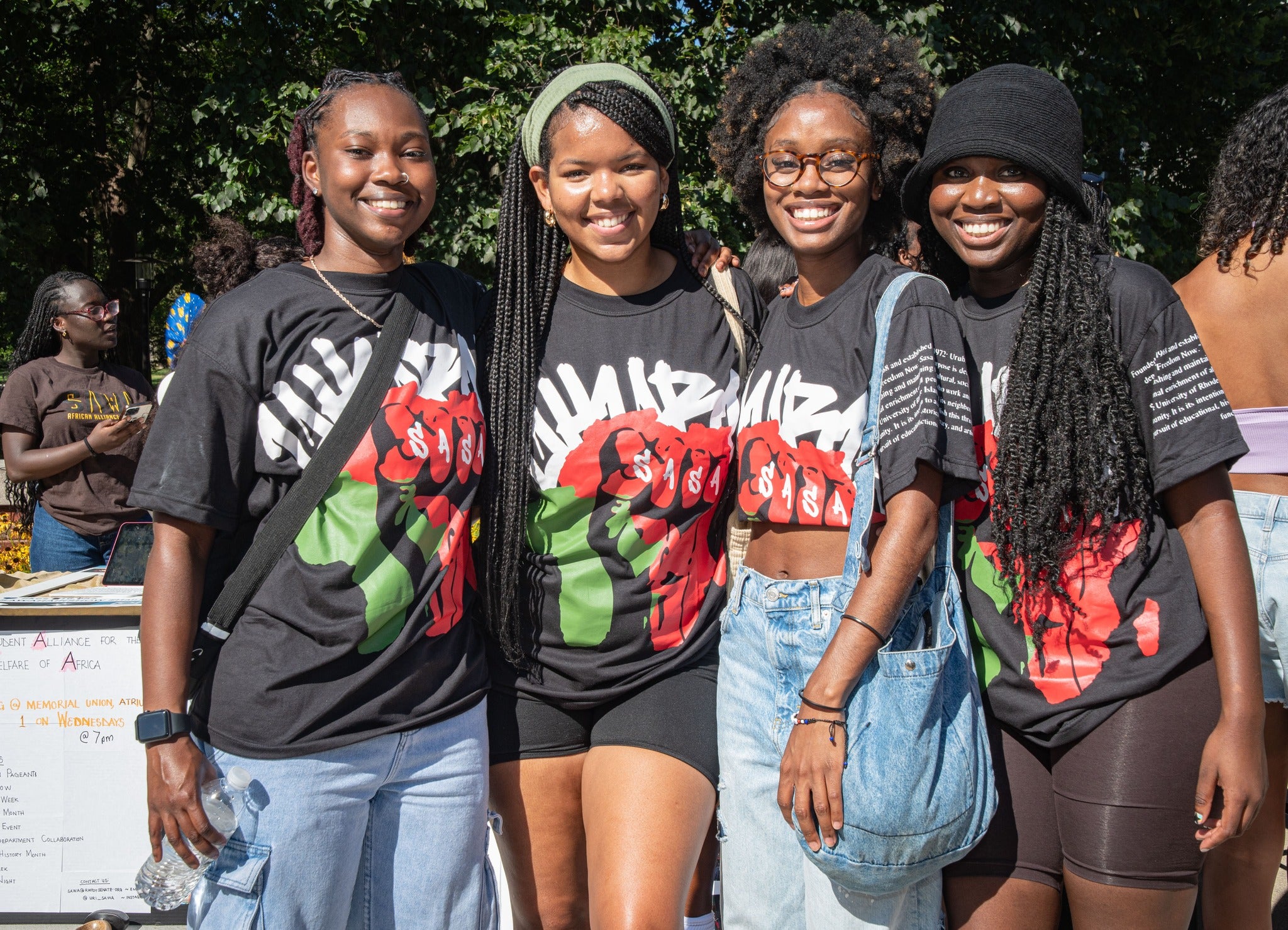
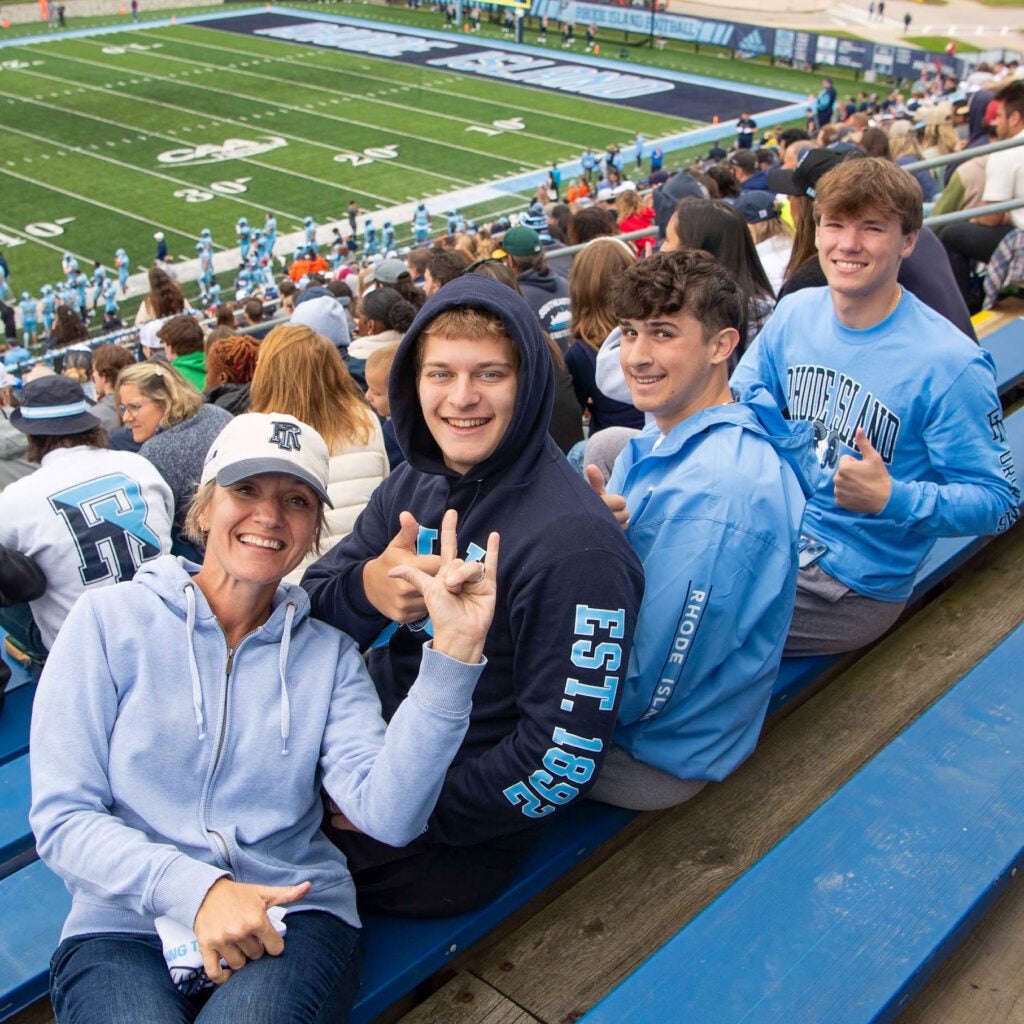
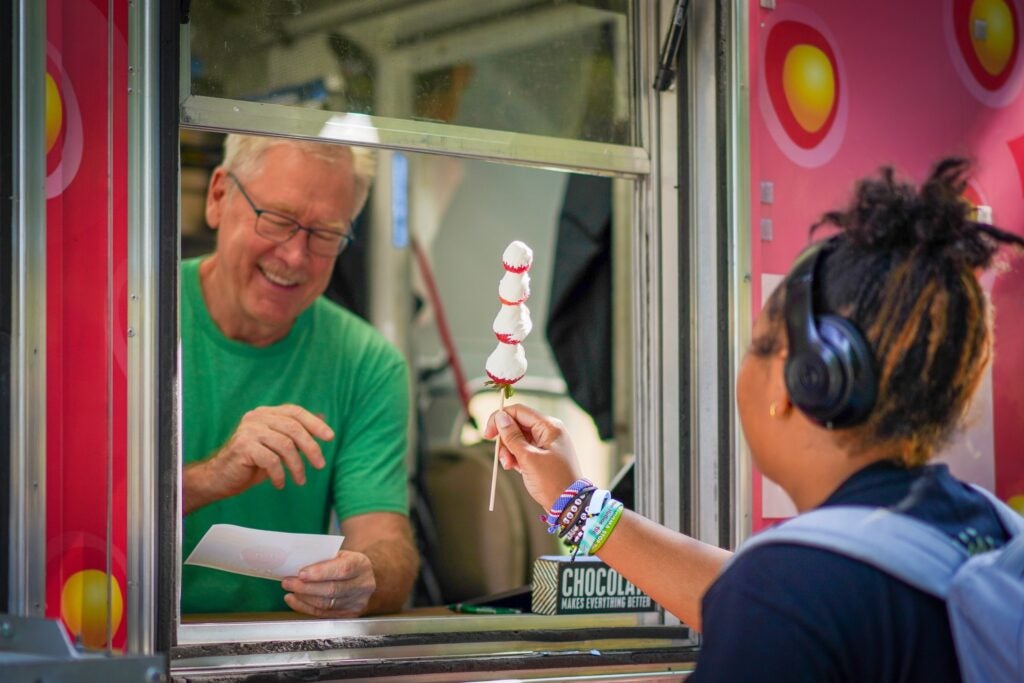
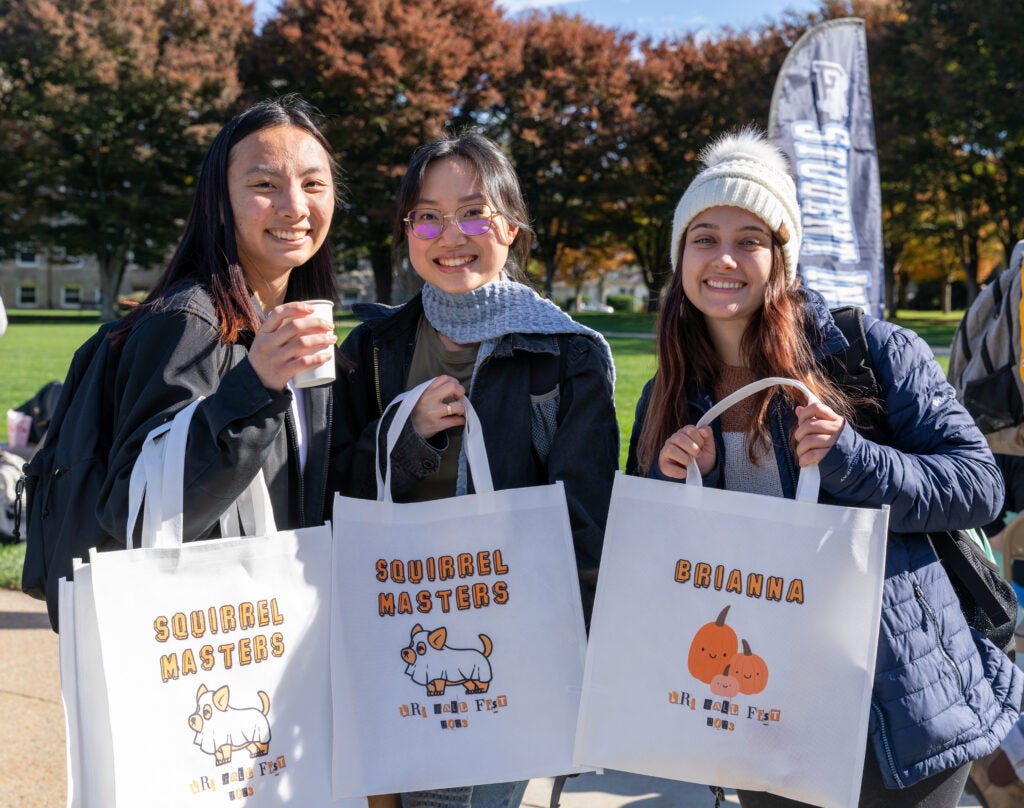
Connection creates a safety net. When students know where they fit, they are more likely to stay engaged, even when coursework becomes demanding or circumstances feel overwhelming.
URInvolved – URI’s central engagement platform
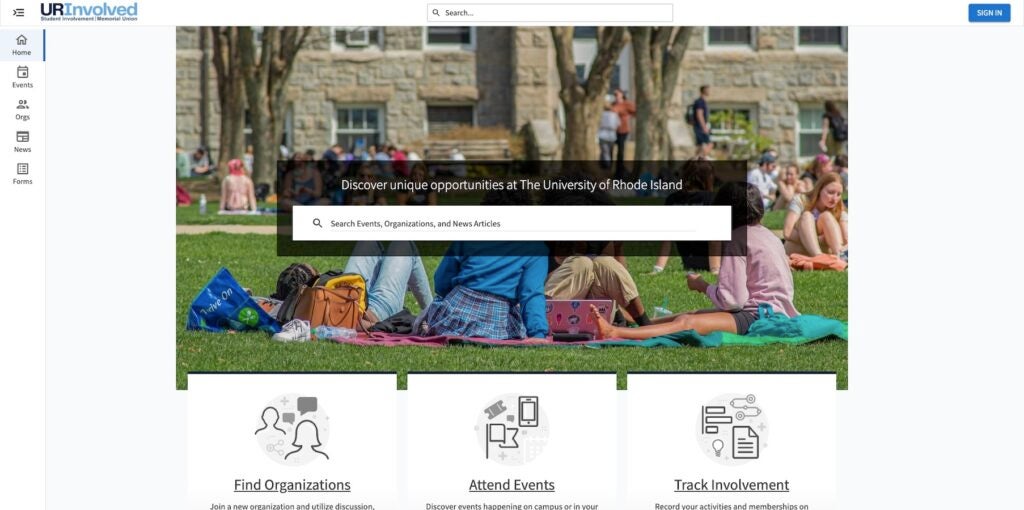
Students can browse and register for campus events, search for student organizations, explore clubs aligned with their interests, track involvement and leadership opportunities
Participation in even one organization significantly increases a student’s sense of connection to campus.
Organization Match
Through the Office of Student Involvement, students can complete an interest form and receive personalized recommendations for student organizations that align with their passions, goals, and identities.
This resource reduces the barrier of “not knowing where to start” and supports intentional engagement.
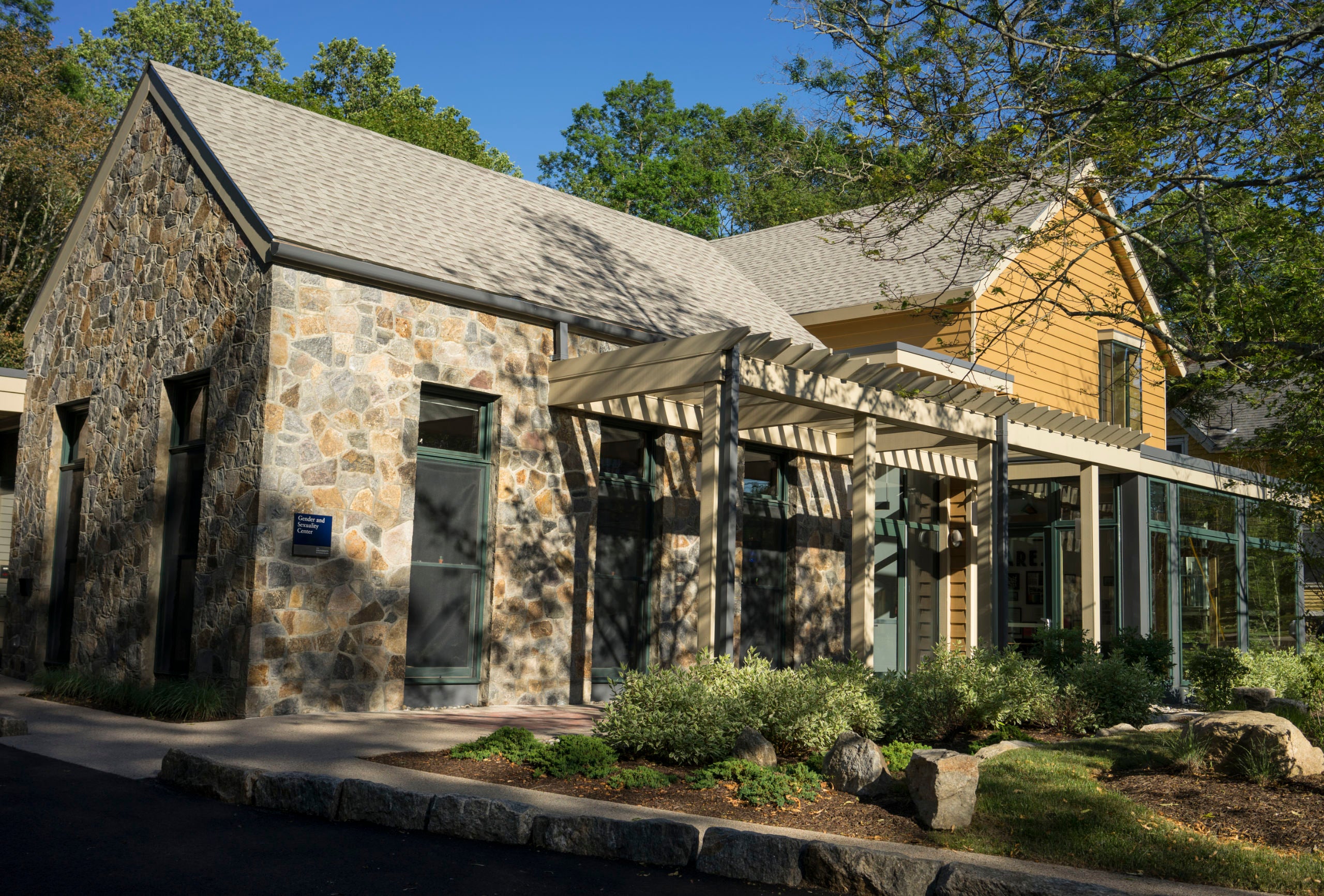
Identity & Support Centers
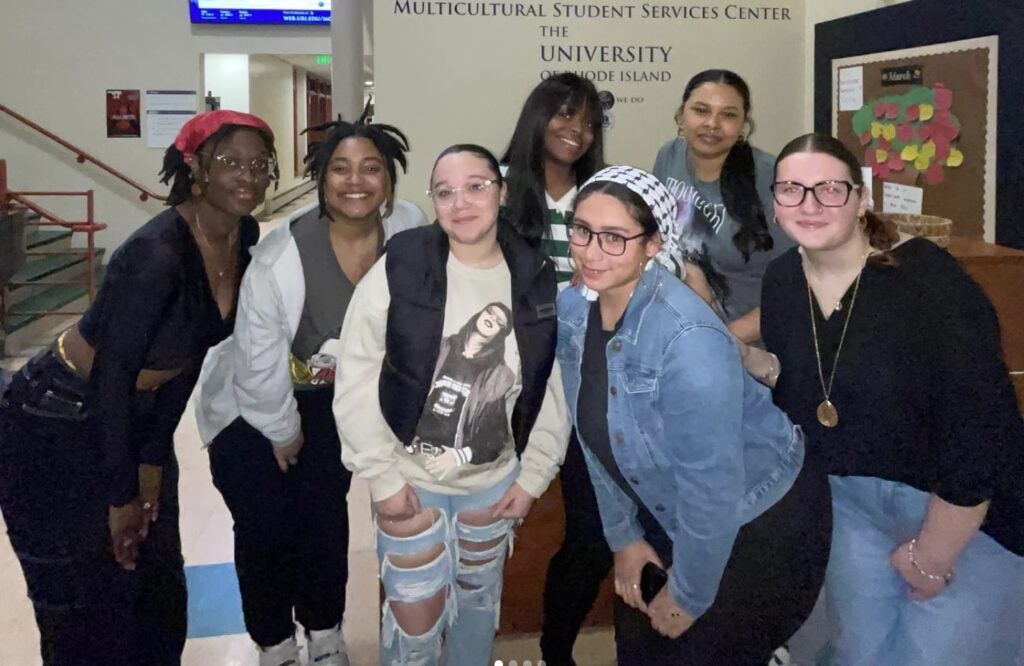
URI offers identity-based and cultural centers that foster inclusion, leadership development, and community. For many students, these spaces provide immediate connection and affirmation, both of which are powerful contributors to persistence.
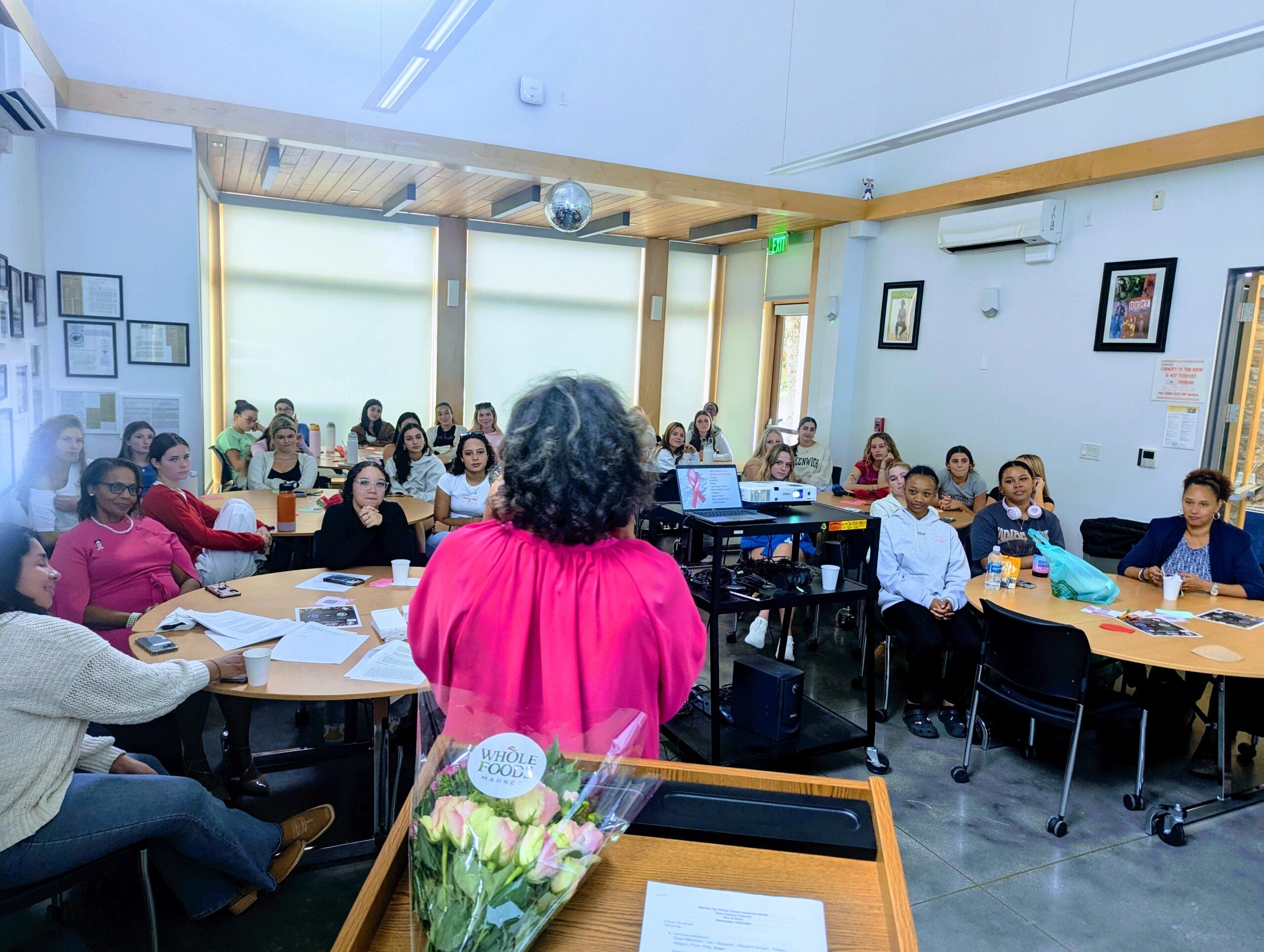
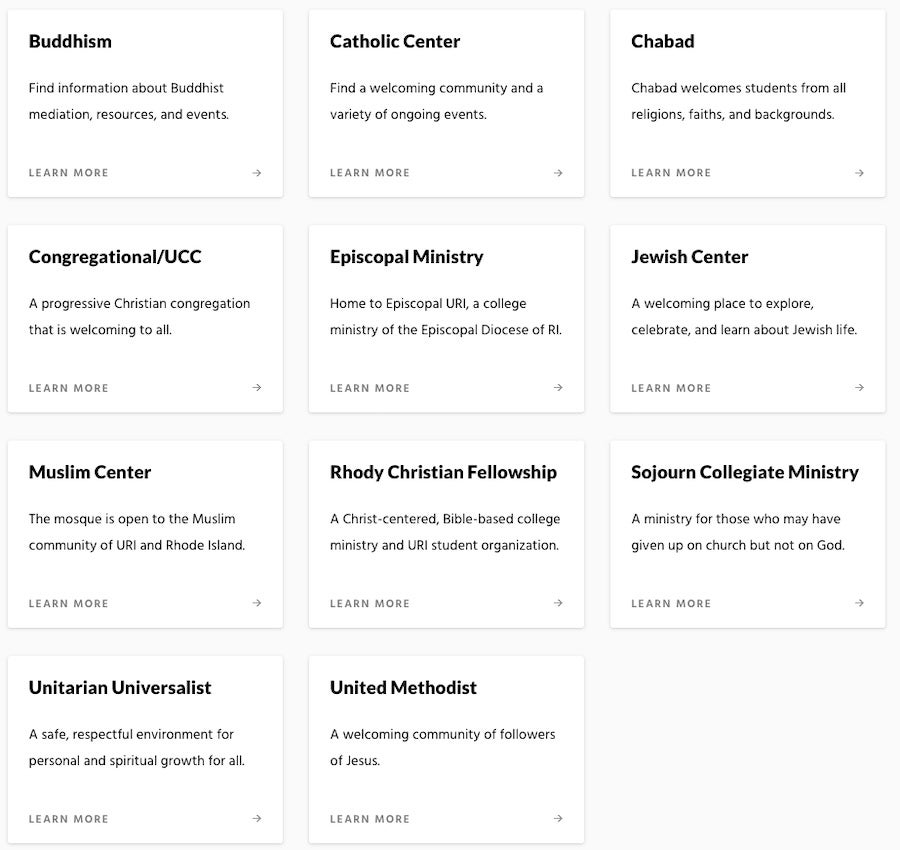
Faith Groups
Community Through Housing
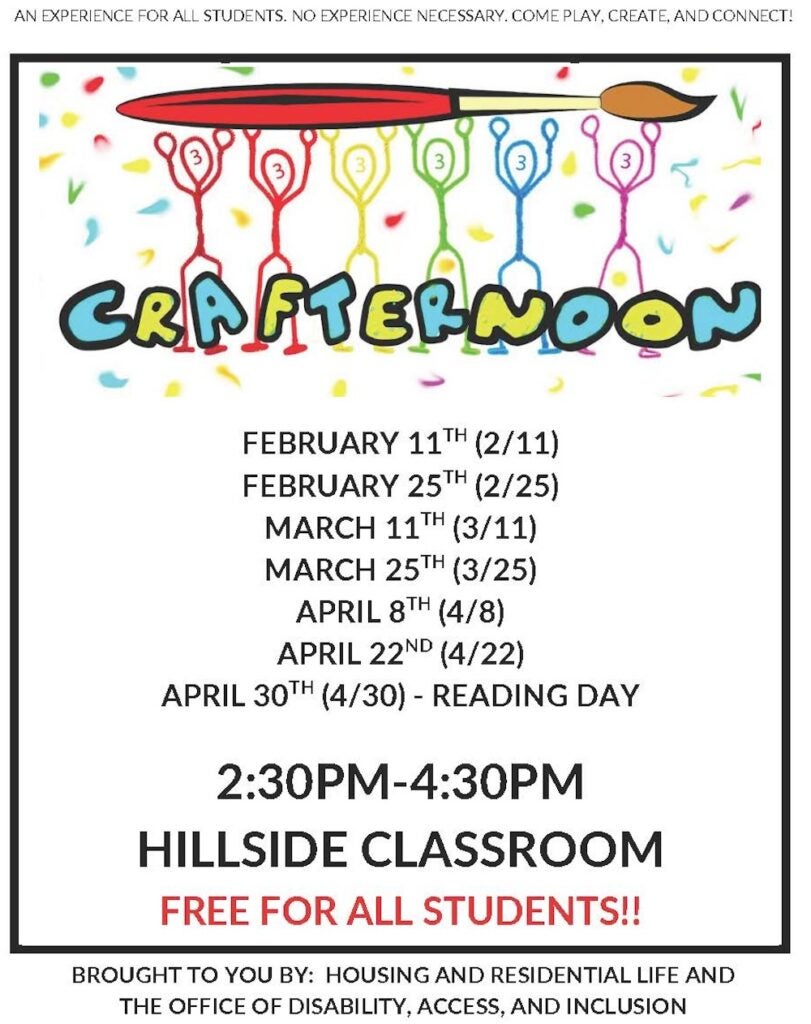
Housing & Residential Life plays an essential role in retention efforts, particularly for first-year students. Residence halls provide structured community-building events, social and educational programming, Resident Assistant (RA) support, and opportunities for daily peer interaction. Living in a communal environment helps students build informal support networks that often sustain them through their first academic year.
Connection Within DAI
Belonging also exists within the disability community.
- Disability Resource Mentors (DRMs) provide peer mentorship and support
- DAI hosts engagement opportunities throughout the year
- Students connect with peers navigating similar experiences
Feeling understood, especially around disability identity and accommodation use, can significantly increase a student’s comfort and confidence on campus.

Students who feel connected are more likely to seek help when challenges arise, develop stronger relationships with peers and faculty, navigate barriers with greater confidence, remain enrolled during difficult periods, and experience improved academic outcomes.
The Role of the Student
While URI provides many pathways to connection, belonging requires student initiative.
Students are encouraged to
- Attend events, even if it feels uncomfortable at first
- Introduce themselves to peers and faculty
- Join at least one organization during their first semester
- Seek out communities that align with their identity or interests
- Engage with their residence hall community
- Reach out early when they feel disconnected
- Stay engaged, even when schedules get busy
Taking small, intentional steps early can have a lasting impact on academic success and overall well-being.
1 Kelly, M., Willis, R., & Nieuwoudt, J. (2022). A sense of belonging at university: Student retention, motivation and enjoyment. Journal of Further and Higher Education, 46(3), 397-408. https://doi.org/10.1080/0309877X.2021.1955844