
Starting college comes with a lot of new systems, expectations, and decisions.
To help you begin with clarity and to avoid overwhelm, we encourage you to focus on three core areas:
| Accessibility | How you will access your learning and environment |
|---|---|
| Navigation | How you find and use campus systems and resources |
| Belonging | How you build connection and community |
This is a starting point, not a checklist to complete perfectly.
Building an Accessibility Plan
You’ve already been introduced to how to connect with Disability, Access & Inclusion (DAI), including
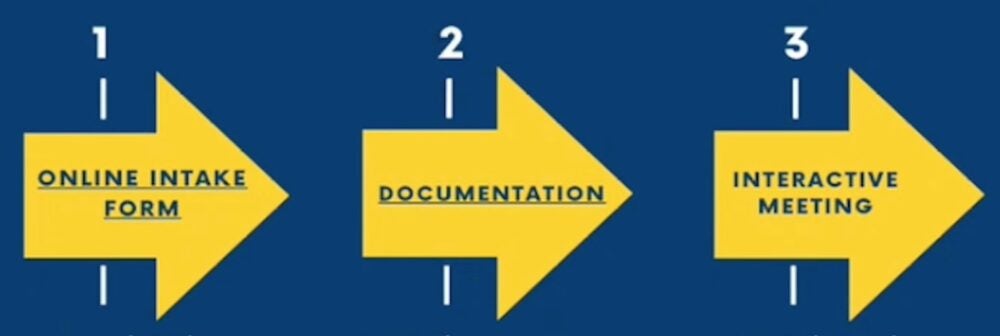
- self-identification or self-disclosure
- documentation submission and review
- interactive meeting with DAI staff.
These steps are how you begin building a personalized accessibility plan for your time at URI.
Academic Accommodations
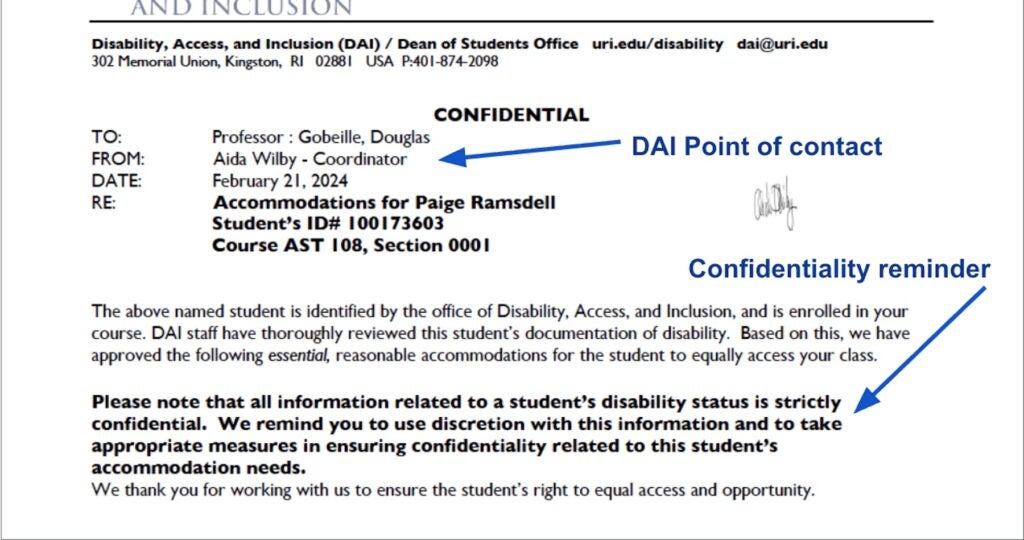
Once accommodations are approved, the process shifts to your actual classes and daily experience. DAI delivers academic accommodation letters electronically to students.
What Accommodation Letters Look Like
You don’t need to have the “perfect script.” Starting the conversation is what matters.
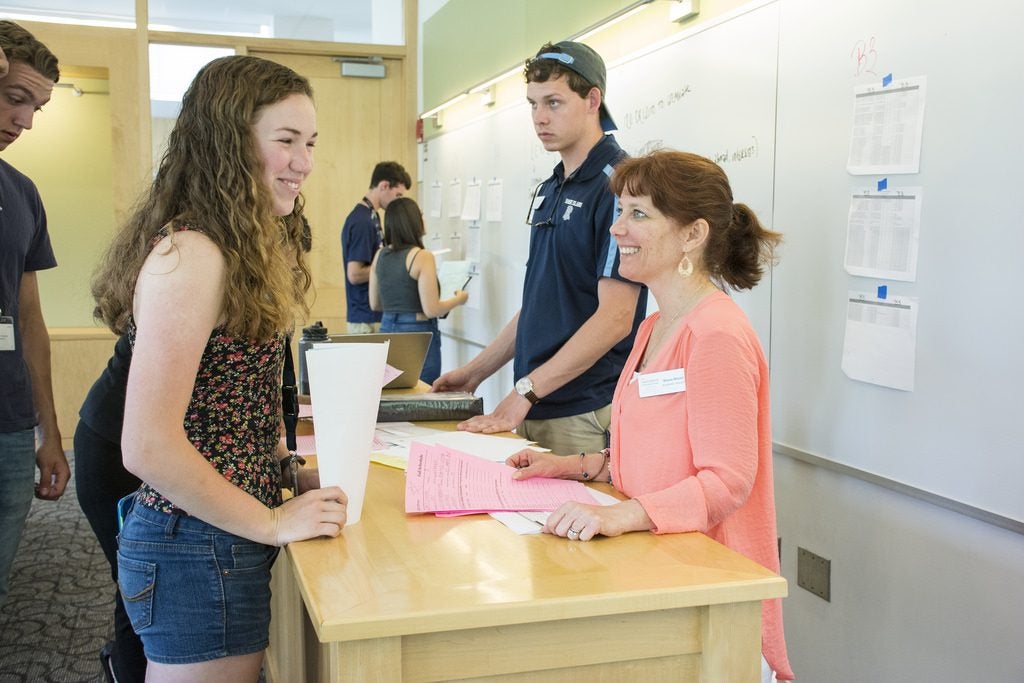
This process might feel new, especially if support was previously handled for you.
- You send your letters to your professors.
- You start a conversation about how accommodations will work in each class.
- Together, you create a plan that fits both your needs and the course structure.
Starting the conversation can look different depending on your comfort level:
- A short email
- A chat during office hours
- A quick conversation after class
Ongoing Support
- Accommodations are not retroactive by law.
- You must request academic accommodations each semester
- This ensures that they still meet your needs and align with your specific courses.
- You can adjust them during the semester if your needs change.
What Do Accommodations Look Like
Many common accommodations from high school are similar in college: extended time on exams, note-taking tools and platforms, and reduced-distraction testing environments.
In High School
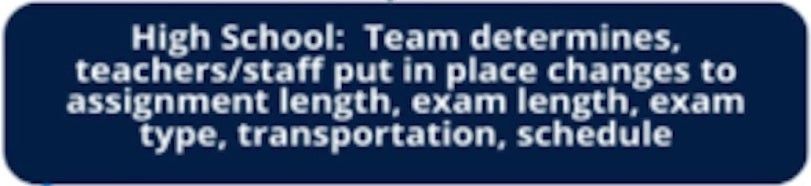
In College

What Is Rarely Approved in College?
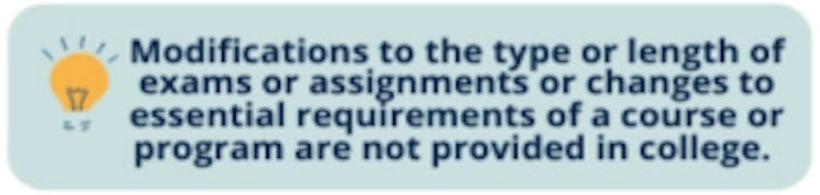
- Blanket extensions for all assignments
- Flexible attendance policies
- Remote learning as an accommodation
- Reduced number of assignments
- Changes to course requirements
At this level, accommodations focus on equal access and not altering what is being learned.
Alternatively, you can be connected with supports that help you find what works for you, rather than relying on ongoing extensions.

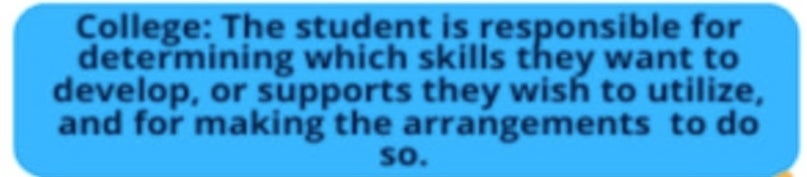
The AEC helps students meet the demands of their coursework.
- Time management coaching
- Academic skill development resources
- Tutoring and other support centers
- Executive functioning courses
- UCS 160 is designed to help students strengthen skills in time management, studying, motivation, self-care, test preparation, and the effective use of tools like AI. Students learn to set goals, identify strategies that work for them, and build habits that support academic success.