
Research at the Multiscale and Multiphysics Mechanics Lab (M3L) focuses on understanding the behavior of engineering materials and structural systems through integrated experimental, computational, and data-driven approaches. Our work spans multiple length and time scales, from atomistic and microstructural phenomena to material, component, and structural response. Our research is organized around four areas:
Resilient & Sustainable Cementitious Materials
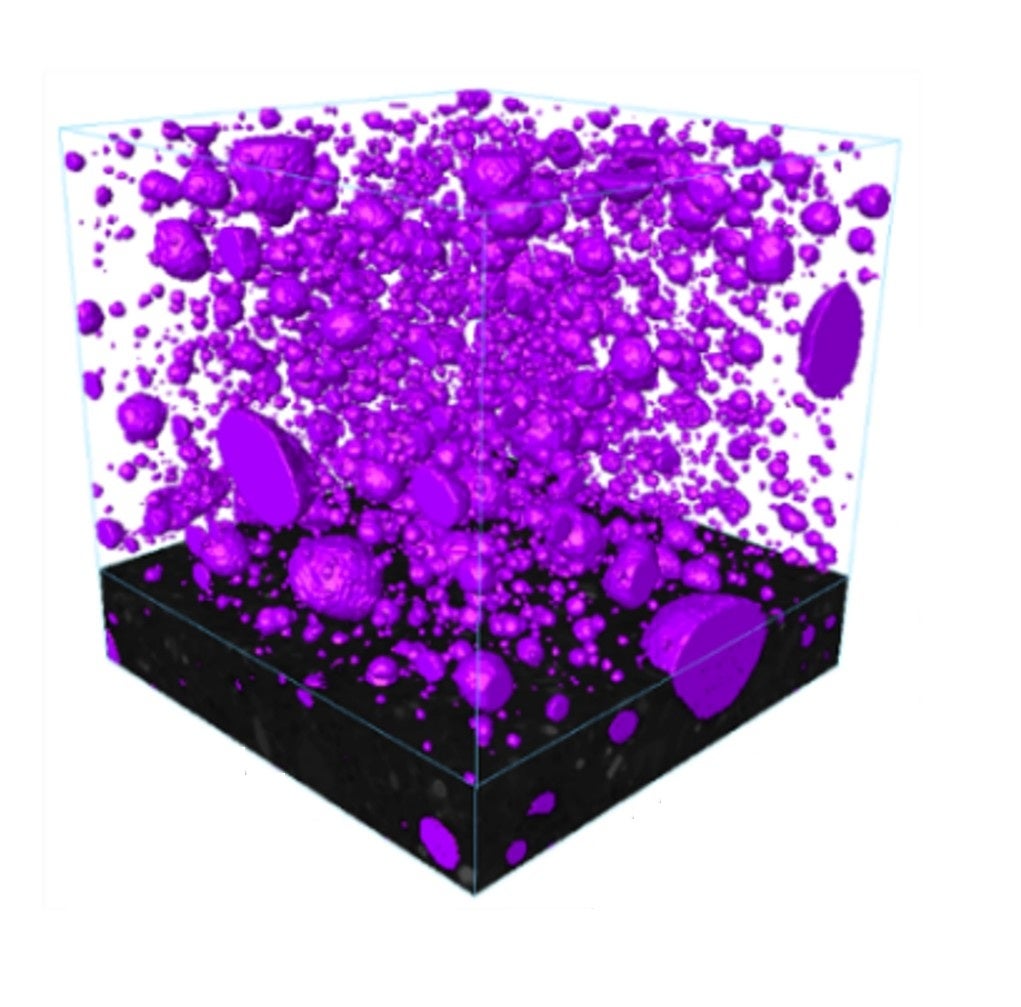
We investigate the mechanics, durability, and performance of conventional and emerging cementitious materials, including sustainable binders, phase-change-material-integrated composites, geopolymers, and alkali-activated materials. Our research examines how composition and microstructure influence mechanical response, fracture, transport, thermal behavior, and long-term durability, with the goal of establishing structure–property relationships and informing the design of resilient, high-performance, and sustainable cementitious materials for engineering applications.
Multiscale Mechanics of Heterogeneous Materials
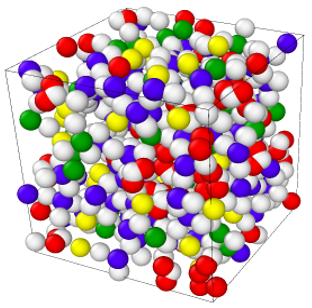
We investigate how atomic structure, microstructure, constituent properties, interfaces, and defects govern the behavior of heterogeneous materials across multiple length and time scales. Our research integrates molecular dynamics simulations, micromechanics, microstructure-guided modeling, and continuum-scale analysis to study deformation, fracture, interfacial behavior, transport, and constitutive response in cementitious, polymeric, composite, and glassy material systems. By connecting atomistic and microscale mechanisms to macroscopic properties and performance, we develop physically informed frameworks for materials understanding, prediction, and design.
Smart Materials & Structural Sensing
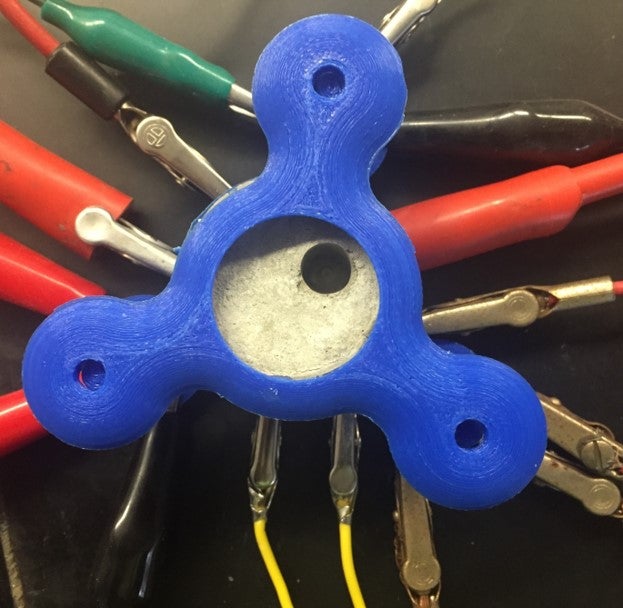
We evaluate the fundamental mechanisms through which changes in strain, cracking, and damage alter the electrical response of materials and structural systems. Our research examines the formation and evolution of conductive pathways in self-sensing cementitious materials, nano-engineered composites, and textile-reinforced systems, with emphasis on establishing quantitative relationships among material architecture, electromechanical response, and structural condition. We integrate multiscale modeling, electrical measurements, and electrical resistance tomography (ERT) to evaluate strain-sensing efficiency, localize spatial damage, and monitor structural response.
Architected Materials & Metamaterials
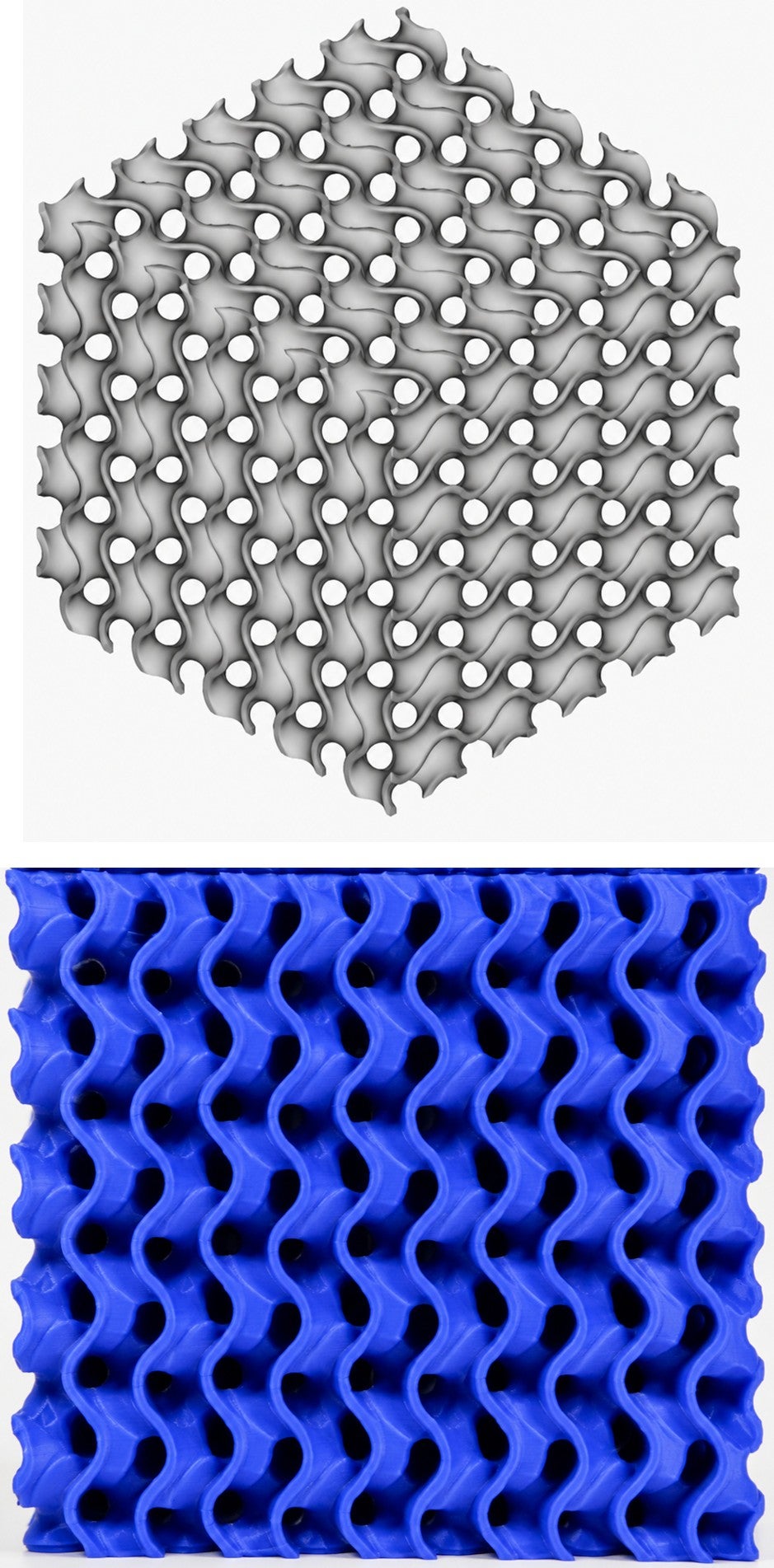
Our work focuses on how deliberate control of geometry and internal architecture can produce mechanical responses that cannot be achieved through constituent selection alone. Particular emphasis is placed on understanding how unit-cell geometry, relative density, constituent properties, and interfacial behavior govern auxetic response, deformation, load transfer, confinement, energy absorption and dissipation, stability, and damage evolution. By combining additive manufacturing, mechanical testing, finite element analysis, multiscale modeling, and interpretable machine learning, we establish relationships among architecture, deformation mechanisms, energy-dissipation capacity, and system-level performance to guide the design of lightweight, protective, and high-performance material systems under static and dynamic loading.
Metallic & Composite Structures under Extreme Dynamic Loading
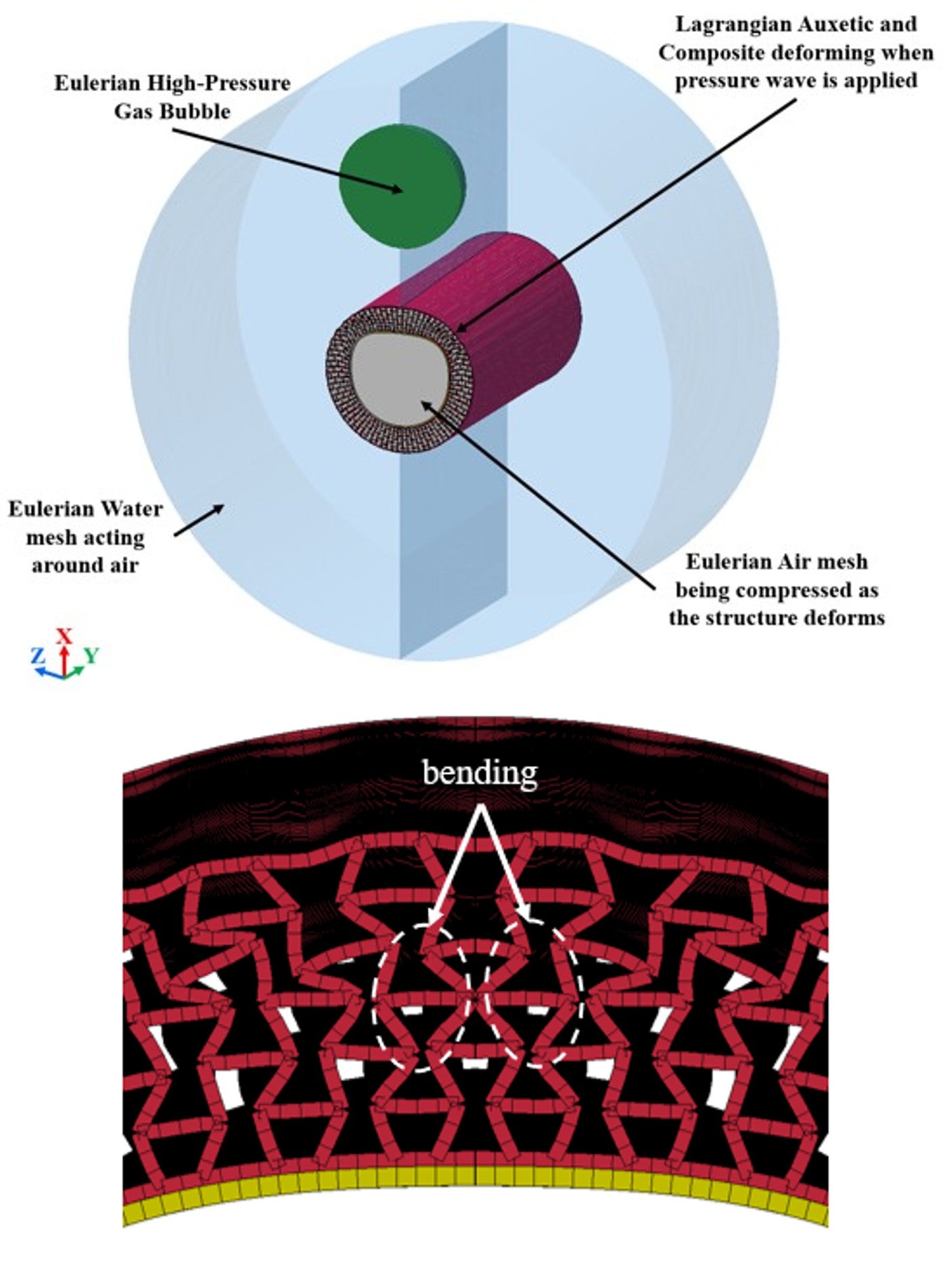
Our research examines the response, damage evolution, and failure of metallic and composite structures subjected to extreme dynamic loading environments. This work encompasses underwater explosions, hydrostatic implosion, shock and impact loading, and other high-rate loading conditions, with particular emphasis on the complex interactions among loading mechanisms, material behavior, structural geometry, and failure processes. Through advanced computational mechanics, coupled fluid–structure interaction modeling, and experimental validation, we seek to understand the mechanisms governing dynamic deformation, instability, fracture, and progressive failure. These insights support the development and evaluation of protective structural concepts and high-performance material systems with enhanced resistance to extreme loading.
Across these research areas, our overarching goal is to establish mechanistic understanding of engineering materials and structural systems by integrating multiscale experiments, computational mechanics, and data-driven methodologies. By connecting material composition, microstructure, geometry, and coupled physical processes to system-level behavior, we develop predictive frameworks that enable the rational design of resilient, sustainable, multifunctional, and high-performance engineering materials and structures.