
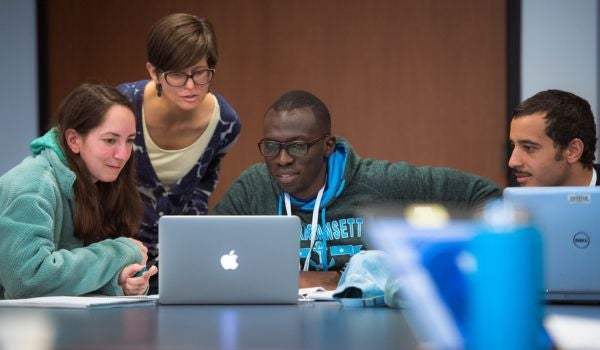
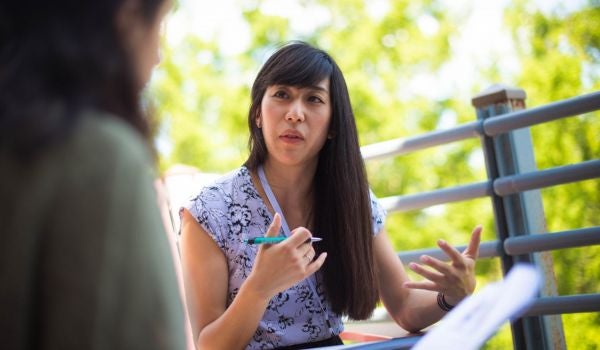
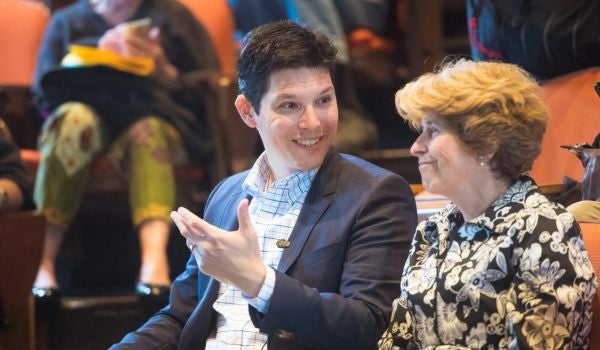
Metcalf Institute fosters informed, inclusive public conversations about environmental issues by conducting science training for journalists, communication training for scientists, and a variety of public programs.
Based in the URI College of Environment and Life Sciences, Metcalf Institute collaborates with academics, state and federal agencies, non-profits, businesses, community representatives and news organizations nationwide to develop customized programs and resources that improve and expand news coverage of environmental topics.
Programs
Mission & Vision
Where science and journalism connect for the public good.
Metcalf Institute envisions an expansive science communication network–including scientists, journalists, policy makers, and the public–that engages in informed, inclusive discourse and actions about science to catalyze communities to take action.
To realize this mission, Metcalf Institute provides education, training, support and resources to a broad spectrum of communicators–encompassing but not limited to journalists, scientists, informal and formal science communicators, to engage diverse public audiences and support them in making informed, inclusive actions about science, climate and the environment.
Funding & Support
Metcalf Institute was established with an endowment at the URI Foundation in 1997 and named in honor of Michael P. Metcalf, the late publisher of The Providence Journal, who was known for his integrity, vision, and high standards for journalism. Additional funding was provided by the Telaka Foundation in 1998.
In addition to this modest endowment and partial support from the URI College of the Environment and Life Sciences, Metcalf programs and resources are underwritten by public and private foundations and by private donations managed by the University of Rhode Island Foundation & Alumni Engagement, a nonprofit, tax-exempt charitable corporation.
Connect with us!
Let’s design a customized, inclusive science communication workshop or training for your organization, workplace, or university.

News
- Metcalf’s Strategic Plan: Planning for our future - The Metcalf team has been working on a strategic plan–and following it–for the past year and now it’s time to make it public! This plan takes us through 2028 when we will celebrate 30 years of bringing scientists and journalists together to engage deeply with each other, support scientists and science communicators in their efforts […]
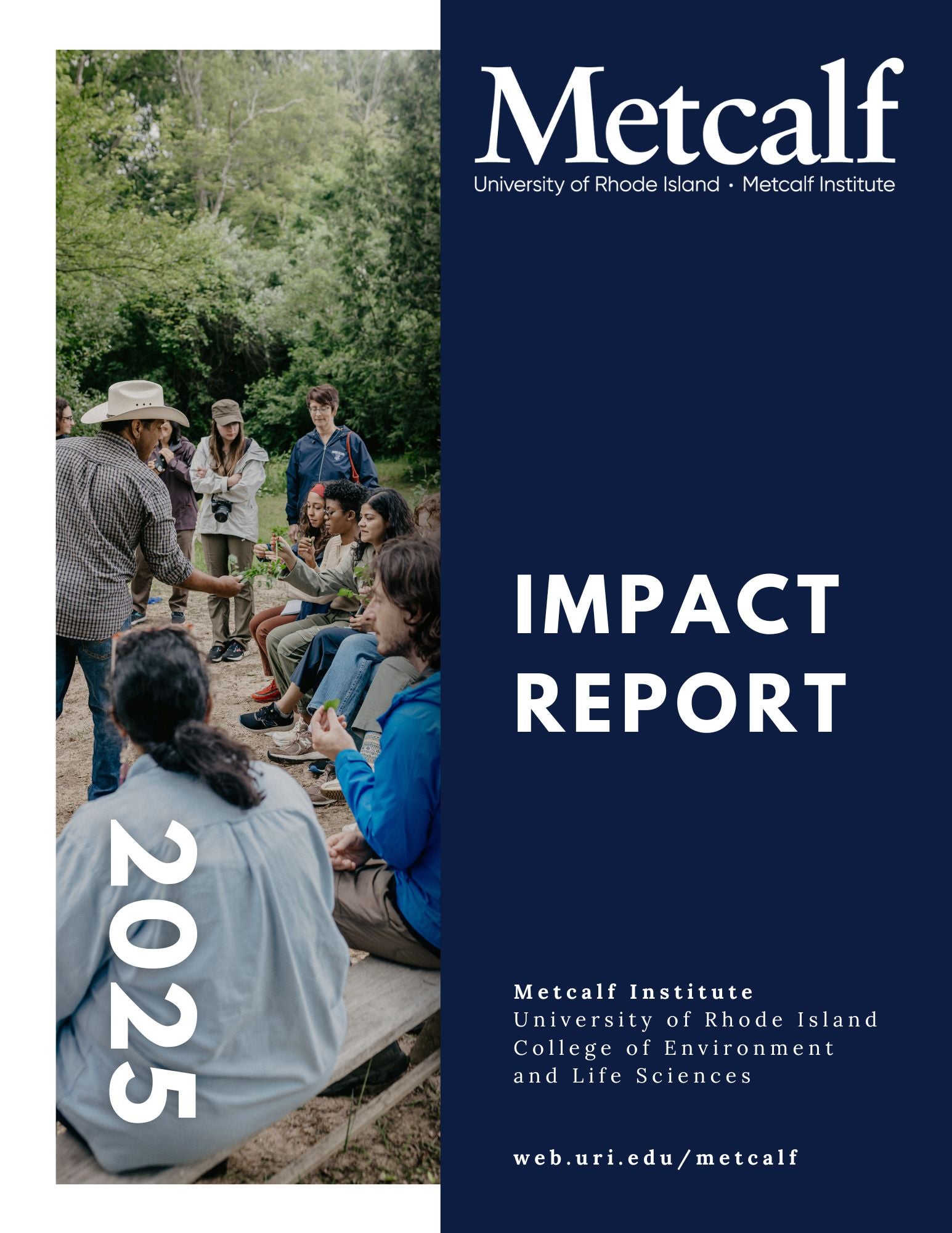
 Fellowship Spotlight: Metcalf Ocean Nexus Academy (MONA) - This summer, we launched the Metcalf Ocean Nexus Academy (MONA), a new journalism fellowship created by Ocean Nexus and the Metcalf Institute, in collaboration with the Uproot Project. This innovative program supports journalists exploring the deep connections between ocean issues and social justice. The inaugural 2025 MONA workshop was held in person June 30–July 3, […]
 Looking to Interview Experts On Climate and Environmental Topics? Check out SCIP’s New Source Book! - The team behind the SciComm Identities Project (SCIP) has created a source book for journalists covering climate and environmental topics to provide a more representative range of experts who are also trained science communicators. The guide features two dozen SCIP fellows: scholars and professors whose work is related to climate change across a wide range […]
Under Construction
The Metcalf Institute website is currently getting a facelift to make it easier to find what you’re looking for! Thank you for your patience during this process.