
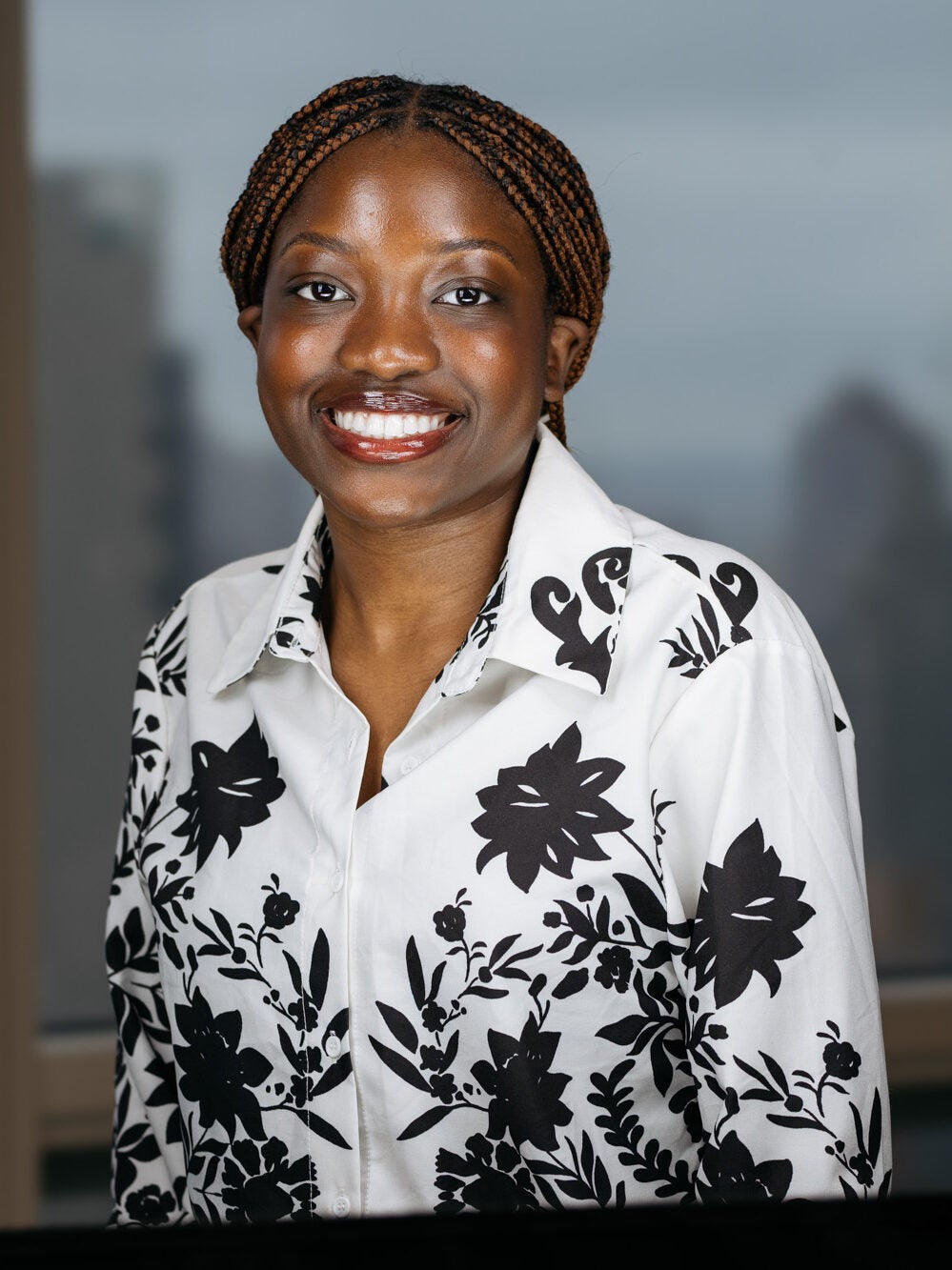
About Rosegalie Cineus
Rosegalie Cineus is a staff writer for Beacon Media, which produces three weekly papers covering local Rhode Island communities: the Cranston Herald, Warwick Beacon, and Johnston SunRise. She is a Cranston, RI native and alumna of North Carolina A&T State University in Greensboro, NC. While she reports on a variety of beats, Rosegalie gravitates towards news features and human-interest stories that highlight communities and the work people do within them. In her free time, she enjoys traveling, photography, reading, and collecting her newest batch of fashion magazines to read through.
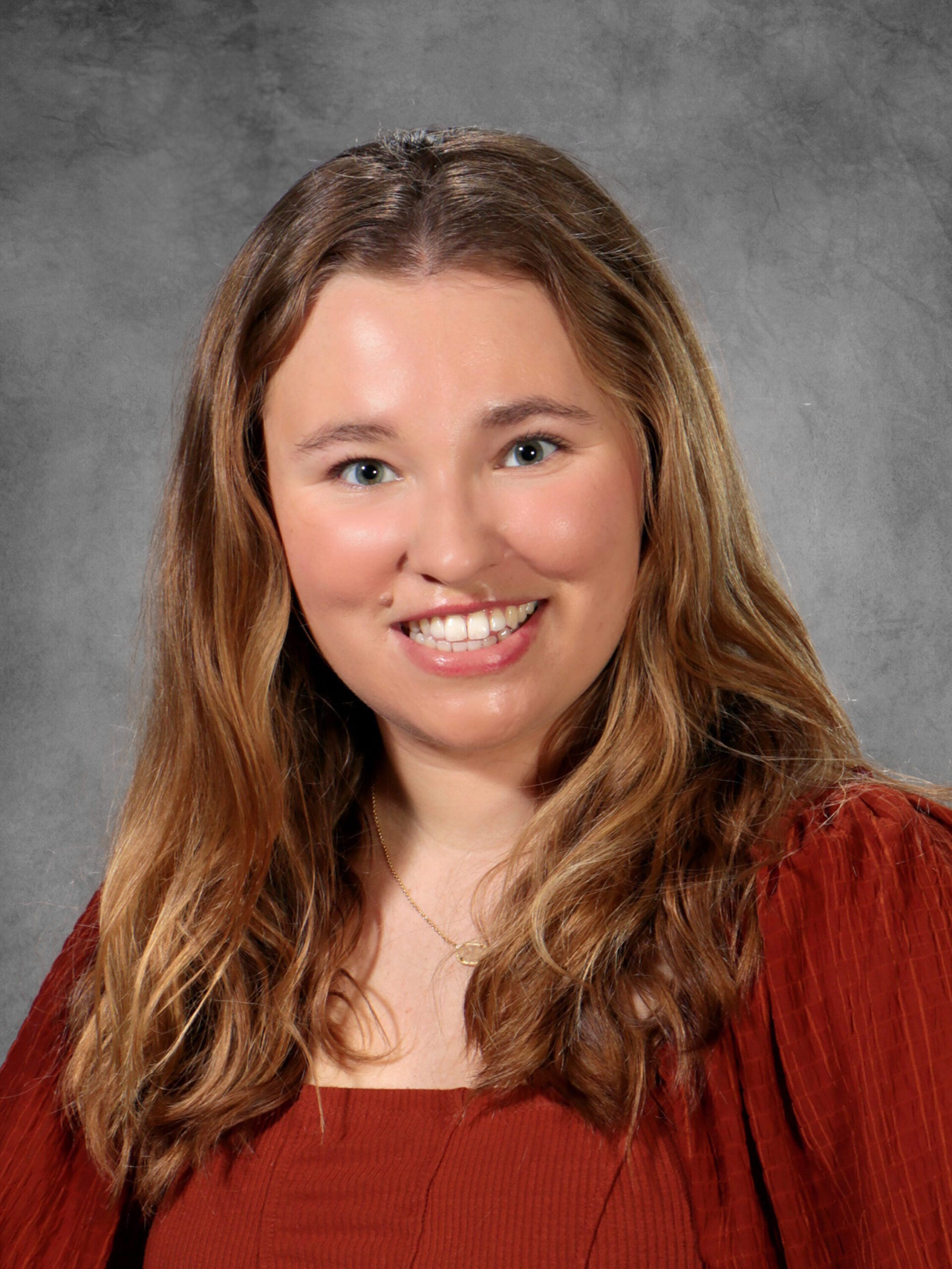
About Greta Shuster
Greta Shuster is a staff writer for Beacon Media, which produces three weekly papers covering local Rhode Island communities: the Warwick Beacon, Cranston Herald, and Johnston SunRise. She is a Warwick, RI native and alumna of Bates College in Lewiston, ME. While she reports on a variety of beats, Greta gravitates towards topics such as land use and development, coastal access, and individual profile features. She is also a co-editor of the Prudence Dispatch, a biannual poetry journal. In her free time, she enjoys recreating in and around Narragansett Bay, gardening, cooking, and spoiling her cat Juniper.
Rosegalie and Greta spoke with Metcalf’s Ethan Brown about their experience as part of a small local newsroom in Metcalf’s Climate Ready Newsrooms fellowship, how they successfully made solutions a routine focus in their reporting, and why environmental initiatives in their communities give them hope.
Tell us about your experience with Metcalf’s Climate Ready Newsrooms fellowship.
GS: As a newsroom that prior to this didn’t really specifically or intentionally cover the environment, our experience with the fellowship really opened our eyes to see how there are threads of environment or climate topics in everything that we do, whether that be [city] planning stories where there are stormwater concerns, or greenspace concerns, or even what we do with food waste at schools. The concept of the environment is so broad that it actually does integrate into the kind of work that we were already doing. We just didn’t really open our eyes to that before the fellowship.
RC: On the solutions journalism side, we used to write stories that obviously talk about the issue at hand, and we’d talk to sources, but being able to get a deeper understanding of how solutions journalism works, and how [solutions can drive] the stories that we write was very interesting and informative. It helped us build our own skills as reporters covering a community that is very diverse and doing things that may be small in scale but under the surface [connect] to things people are doing nationally.
GS: With the solutions framework, it was also really interesting to see how that structure is applicable to other beats or topics, and not just the environment.
After the solutions journalism training, you two very successfully set and implemented the goal of writing one solutions story each per month. How did Metcalf help you discover that interest and then ultimately achieve your goal?
GS: Beacon Media is a group of three weekly papers covering Warwick, Johnston, and Cranston, Rhode Island. Using the Behavioral Dashboard [framework], we were able to come up with a goal that wasn’t huge, but it was sustainable and something that we could hold ourselves accountable for going forward. It was a great thing to implement. It took us out of our weekly routine of saying, “oh, I have to go to meetings A, B, and C this week,” and it was nice to have something separate than that to work on across weeks. I didn’t have to get it done for one specific deadline, so I was able to take a couple weeks and let it breathe and let it have the space that I needed to do it well.
RC: I would also add that we’re a very small staff. It’s one reporter for each paper, really. We have a lot of ground to cover as news breaks and topics come up. Because we’re such a small staff, it might have been more of a big mountain in front of us to have to do a solutions journalism story on top of that workload. Having one story every month focused on just environmental solutions and what that looks like in our coverage area was a very sustainable and focused step for us to take that we were able to realize through this fellowship.
Why is this work so important, especially right now?
RC: Climate, in general, is important. It’s a very complicated topic. As journalists, being able to break down a scientific topic and get at the importance to our everyday reader is very important, especially as global warming continues to have an impact and a lot of policy decisions continue to have an impact on our environment. I also think a lot of people are doing a lot of good in the community, and being able to shine a light on those stories is also important, especially for us as community papers.
GS: I think for a lot of people, climate change and related topics are either, one, really overwhelming, or two, people think, “oh, this is really far away from me, it doesn’t matter.” Writing hyper-local, solutions-oriented stories really combats both of those perspectives because it shows this is important to think about as close to me and close to Warwick and Cranston, and it doesn’t always have to be doom and gloom. There are real, tangible things that people are doing in our relatively small communities that are making an impact. Our solutions stories really point out specific examples of that.
RC: I also think it’s important to show people a path to helping in their own way [through solutions journalism stories]. Community organizations, getting together with a group of friends and starting your own garden, maybe even growing a native plant in your backyard, or putting up a sign that shows the correct way to recycle in your house are all small, tangible steps that you can implement in your everyday lives to help the environment.
What’s giving you hope these days?
GS: Recently, I’ve done a couple of interviews that focus on school-aged children and environmental education. I did one interview with the education director at Save the Bay, which is one of Rhode Island’s leading environmental nonprofits. We were talking about how excited the kids are to be learning and to get real hands-on experience with things in and around Narragansett Bay. It’s really inspiring to see that even if these kids don’t all grow up and become environmental scientists or biologists professionally, that there’s a growing care about our natural resources, and that even kids as young as kindergartners have this sense that they want to protect waterways and greenspaces that are special to them in their own lives.
RC: That reminds me of the story I did on food waste. It was centered on how this local organization goes into elementary schools and implements a recycling program, and these kids basically oversee the proper recycling during lunch hours. I talked to a kid who said how this was something he was really interested in and he was able to learn more about it just through the school implementing this program. He mentioned that now he’s also teaching his parents the proper way to recycle at home. That’s also something that gives hope, because now it’s sort of a symbiotic relationship, where maybe the older generation is teaching the younger kids, but then it’s also the younger kids teaching their parents and family members, as well.
What would you say was the most memorable part of your experience with Metcalf?
RC: First, learning and being introduced to just how diverse environmental and climate reporting can look and how it shows up in a lot of different spaces that maybe we didn’t know before. Now, when we’re reporting, we’re able to recognize when there’s an environmental issue that we can pull in and expand our story. And second, having the opportunity to report on these climate solutions was very memorable. I liked reporting about this community group that focuses on native planting and being able to heal fractured environments so that pollinators and different animals are able to have these habitats back. It had a very tangible impact on me personally.
GS: Something I really valued was the ability to connect with other newsrooms through the fellowship, and to talk to people from all over the Northeast. It was really interesting to see not only the differences in how each newsroom operates, but where our similar challenges and struggles might be. Having community and solidarity through the fellowship was really nice, as we were all working through things together. It’s important to have actual conversations with each other. I think about the session where we were reviewing a scientific paper in small groups with the scientists who wrote the paper, and having those discussions to make sure you have an understanding of the topic at play was really helpful.
RC: It also motivates us as a newsroom, because it helps us see that we’re not the only people reporting on climate. Seeing other people have that interest was really rewarding and made us feel like we’re part of a community of newsrooms wanting to inform our readers about environmental issues and what they can do to help.
This interview has been edited for length and clarity.