
Focused on helping students struggling with substance use, Considering Change offers a judgment-free space to promote open dialogue and conversation
Dec. 11, 2025
The Counseling Center offers a wide variety of support, therapy, and wellness groups free for all University of Rhode Island students. Some require registration while others are open to anyone who simply wants to drop in and join. In our ongoing effort to keep students aware of the resources available on campus, we’re chatting with the leaders of each group, so you know what to expect and where to go if you’re interested in participating. Stay well!
Three years ago, University of Rhode Island substance use specialists and licensed independent clinical social workers Arielle Sherman and Catherine Calise recognized the need on campus for a non-judgmental space where students could talk openly about myriad substance use issues.
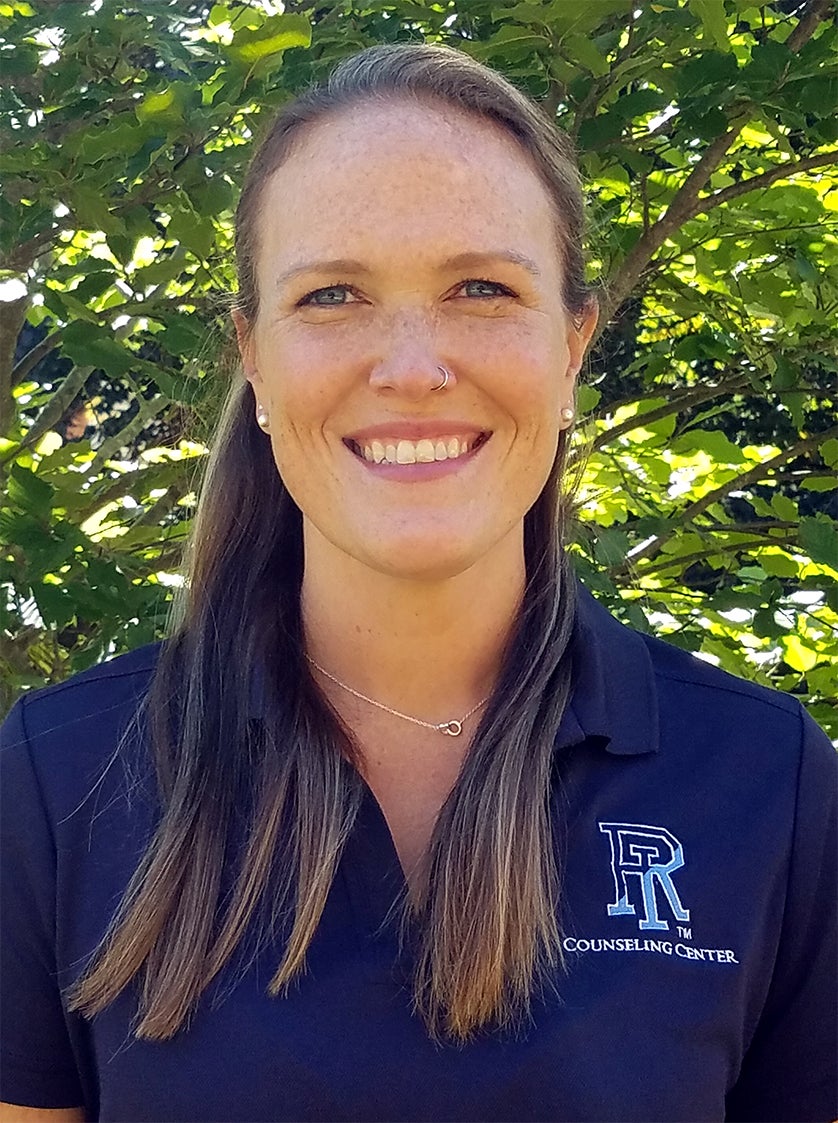
The two worked together to launch Considering Change: Rethinking Substance Use, an open forum with no appointment or long-term commitment required that allows students to discuss their relationship with substances “no matter what that looks like,” according to Calise, a clinical counselor for URI’s Counseling Center.
Originally housed under the Counseling Center’s group counseling offerings, Considering Change now operates under the university’s new collegiate recovery program, “Rams Together for Recovery & Wellness,” as of the fall 2025 semester. The collegiate recovery program is a peer-based support program free to all students that provides a safe, inclusive community for those in, seeking recovery from, or reconsidering substance use.
Calise and Sherman, an alcohol and other substances prevention services specialist for Health Services, are part of the “Rams Together for Recovery & Wellness” team and now host their Considering Change meetings each Wednesday from 5 to 6 p.m. in the collegiate recovery program Wellness Lounge on the first floor of the Memorial Union (with the exception of holidays and breaks). Student interested in the group can simply stop by any of the weekly meetings to join or reach out to Calise or Sherman for more information. Students are also encouraged to bring a friend for support, if needed.
In today’s spotlight, we check in with Calise, now in her 11th year at URI, to learn more about the idea behind forming Considering Change and what resources the group uses to handle students’ wide variety of substance use issues. Visit URI’s wellness groups webpage for more information on other groups and stay tuned to the Student Affairs news site throughout the year as we profile others making a difference at URI.
What is the primary goal of this group and the demographic it’s intended to reach?
“This group gives URI students the opportunity to reflect on their substance use, explore ways to rethink the way they use substances, and connect with others who may be navigating similar experiences. It is a space where students can have honest conversations, find support, and build community.”
On average, what are some of the biggest issues and concerns facing students who join this group?
“College can be challenging on so many levels and students are doing their best in navigating them. Sometimes students use substances to cope (relax, unwind, socialize, fall asleep, etc.) but they can find in time these coping skills are not working as effectively as they used to and want to make a change. Sometimes changing the way they use can be harder than expected.”
How does this group work toward addressing those issues and helping students reach their potential in and out of the classroom?
“Considering Change encourages reflection, self-awareness and personal growth by helping students explore the impact of substance use on their academic, social, and personal well-being. Through discussions and peer support, students gain tools to make informed decisions, set healthy goals, and develop coping strategies that promote balance, well-being and success both in and out of the classroom.”
###
Michael Parente, director of communications and marketing in the URI Division of Student Affairs, wrote this news release.