Current Translanguaging Lab Research Projects
Mapping the Linguistic Landscape of Rhode Island (2025-current)
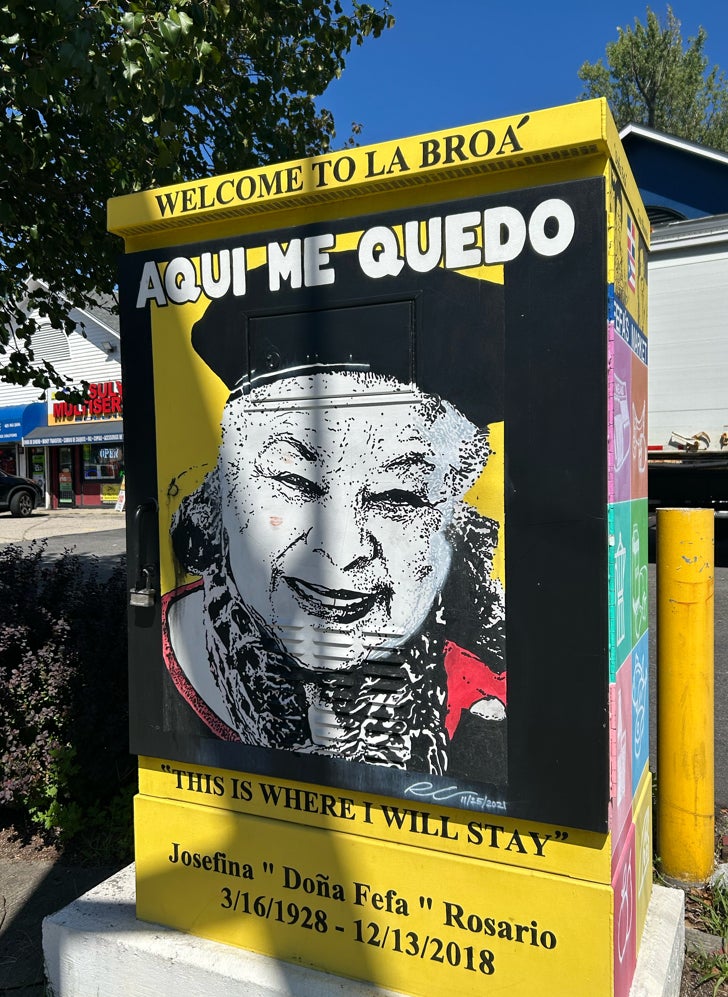
In this study, we explore how multilingualism is made visible in Rhode Island by documenting texts all around us – traffic signs, posters, advertisements, warnings, billboards, and other visible media. Using Lingscape, we are constructing a map of the linguistic landscape throughout Rhode Island to document the diversity and flexibility of lived multilingualism in our state and to critically analyze what our local environmental print communicates about language, power, and access.
Project TRANSFORM: TRANSlanguaging as Family-ORiented Multilingual Pedagogy (launching in 2026)
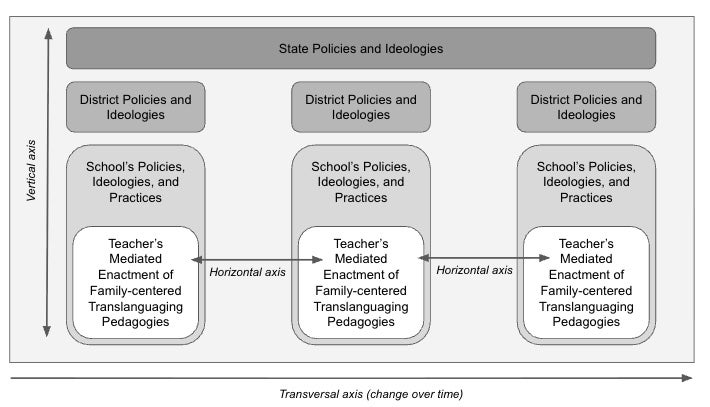
This study will explore how educators of multilingual learners (MLLs) who teach in English-medium classrooms can be supported to develop an equity-centered, family-oriented translanguaging pedagogy. Translanguaging research has largely been conducted in isolated classroom settings, with limited attention to how teachers’ situated contexts and identities shape their translanguaging practice or to how engagement with multilingual families might be meaningfully centered in/through translanguaging pedagogy. Our study addresses both of these gaps through a yearlong professional learning inquiry in which researchers from the URI Translanguaging Research Lab facilitate teachers’ development and enactment of translanguaging repertoires (Tian & King, 2023) and their engagement with their students’ multilingual familylects (Van Mensel, 2018).
Using an innovative comparative case study design (Bartlett & Vavrus, 2017), we will compare educators’ sense-making and practice across horizontal (teacher-to-teacher), vertical (nested ideology/policy contexts), and transversal (learning across time) axes to better understand how teachers take up translanguaging pedagogy across different types of learning spaces, policy environments, and ideological contexts. Ultimately, we aim to develop more nuanced understandings of the mediated and situated ways that English-medium educators engage with translanguaging pedagogy and develop meaningful partnerships with multilingual families, as we work to transform classroom spaces for multilingual learners.