
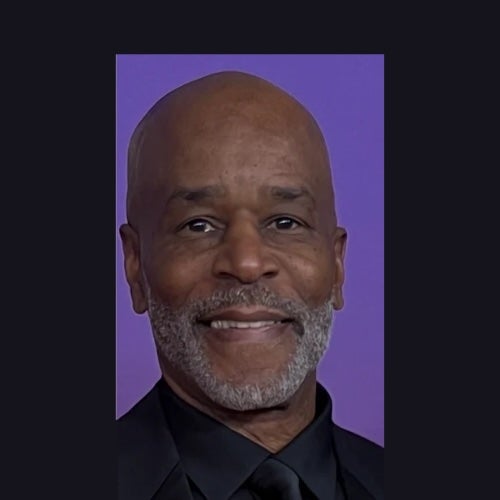
KINGSTON, R.I. – Oct 23 – Greg Peppers always loved information, and he built a long and successful career in journalism around that passion. He graduated from the University of Rhode Island in 1979 with a B.A. in mass communications, before The Harrington School for Communication and Media was founded. Over 41 years, he worked at local radio stations and major news outlets like National Public Radio (NPR), the Associated Press, and CNN. Peppers says the University of Rhode Island’s Talent Development Program (or TD Experience) helped set him on this path.
The program helps Rhode Island high school graduates with college potential, especially those from underserved schools and districts. TD was created 58 years ago when marginalized groups were pushing for their voices to be heard. The program gives graduates access and opportunities, and imparts activism as a big part of the university’s culture. By 2025, the TD program had reached 5,000 graduates.
“I had no idea how I was going to go to college. I knew I had decent grades, but money-wise, I come from a family of seven kids. None of this would have happened without TD,” said Peppers. “In fact, I just called the high school teacher and mentor who helped make this happen, Dr. Joyce Stevos, to thank her again. She’s the person who made the difference in my life.”
Carving a Path
Peppers started at URI in 1975 planning to study political science and go to law school. Soon, he found he loved writing, so he switched to mass communications (now called journalism) and began writing for The Good 5 Cent Cigar. In his junior year, he wanted an internship, but the program wasn’t active then. His mentor, David Snodgrass, encouraged him to create one. Peppers reached out to three major Providence radio stations, and WEAN, an all-news station, welcomed him.
“That internship was like a two-way audition. It helped me evaluate whether journalism was right for me, and the station evaluated whether I could do this professionally,” said Peppers.
After he graduated, WEAN offered Peppers a job as a writer right away. This role helped him confirm his love for staying informed. Along with reporting, he hosted a public affairs show on weekends, which ended up giving his career a big boost in unexpected ways.
National Public Radio, The Associated Press, and CNN
One phone call changed Peppers’s career and led to 23 years at NPR. After a decade in Providence, he moved to Washington, D.C. Ted Clark, who was executive producer of NPR’s All Things Considered, heard Peppers’s public affairs show about pollution in Providence’s waterways and reached out. Peppers started as a part-time writer and then became a full-time assistant producer on a classical music show.
“I knew I just had to get my foot in the door,” said Peppers.
When the Gulf War started in 1990, NPR expanded its news coverage. Peppers used this chance to move into the newsroom and help produce the newscasts heard on Morning Edition. He also became an associate editor, editing scripts for senior correspondents like Nina Totenberg. Later, he was promoted to executive producer of NPR’s 24-hour newscast service. Greg would go on the lead breaking news coverage of some of the biggest stories of the past four decades. From the Gulf War to the September 11 terror attacks to the storming of the US Capital.
“My management philosophy has always been to treat workers as you’d want to be treated. My philosophy was to give them the proper tools and support they needed to do their jobs. Having come up through the same roles I knew firsthand about what it took to get the job done,” said Peppers.
During the recession in the 2000s, Peppers, like many others, was laid off. Just two weeks later, the Associated Press called and offered him an executive producer job. He spent the next 10 years in a role much like his work at NPR. After another layoff, CNN reached out to offer him a supervising producer job to help grow their podcasting operation.
Peppers drew up a mock podcast schedule, and CNN hired him based on the concept.
In just six months, Peppers grew CNN’s main podcast, Five Things, from two episodes a day, five days a week, to five episodes a day, six days a week. He hired and helped trained the whole team to make it happen. He also helped create Five Good Things, a weekend podcast that shares positive news stories, such as animal rescues, organ donations, and work with nonprofits. After three years at CNN and another round of layoffs, Peppers decided it was time to retire.
Mentorship
Since retiring, Peppers has enjoyed doing voiceover work, giving advice on how to improve podcasts, and mentoring future journalists at universities.
“If I can give any advice to aspiring journalists, it’s to find and try internships. They’re the best way to see if such a career is right for you. Also, work on your writing and learn to use different media. Today’s journalists need to shoot video, take photos, and work on their own in the field. Focusing on just one skill isn’t enough anymore. Be confident and walk into every room like you belong there—internships and coursework will help you earn that confidence. And expect layoffs; they’re common in this industry. I tell people to see each layoff as a transition, not a failure,” said Peppers.
For Peppers, a career built on curiosity, adaptability, and a commitment to sharing information began with an opportunity he might not otherwise have had. Today, through mentoring aspiring journalists, he continues that legacy by helping the next generation find its own path into the profession.