
KINGSTON, R.I. – April 6 –The relationships between risk, disaster, and crisis communication, especially the spatial and temporal dimensions of such relationships are often oversimplified. For instance, industries that extract raw materials from the Earth such as minerals, fossil fuels, timber, and water often provide impartial considerations of the broader downstream and/or long-term impacts that these practices will have at local, regional, and global levels. That is, understanding the spatial and temporal frames through which risk is assessed and communicated has become an obstacle to evaluating, mitigating, and responding to the adverse impacts that such industries can have on animals, people, and the environment.
This raises a critical question: How can we better attend to the spatial and temporal complexity surrounding risks to reduce the adverse impacts of industrialization? More precise attention to the spatial and temporal variables that surround risk in assessment and communication can help humans to better understand and mitigate the potential for environmental disasters.
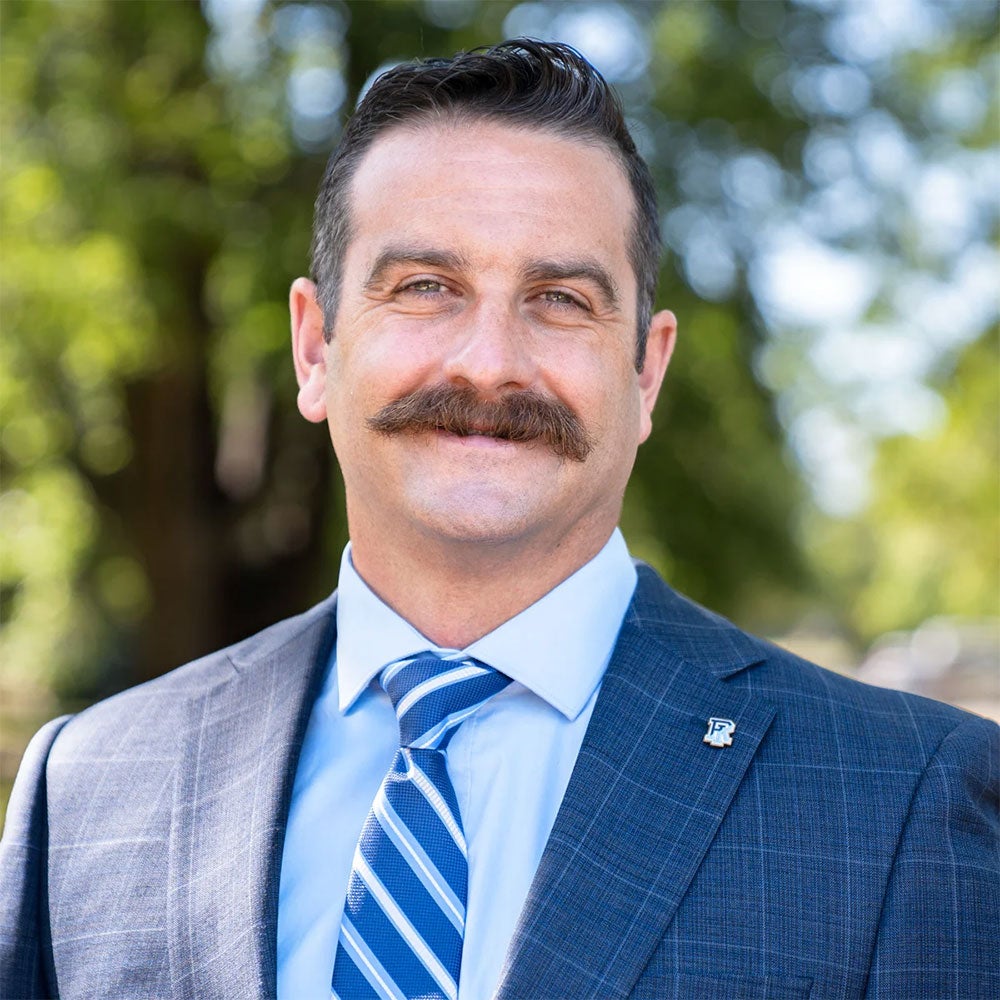
Tim Amidon’s upcoming book, Undermining Risk and Technical Communication: Extractive Industry, Cascading Disaster, and the Global Climate Crisis, reconsiders risk across a broader time and geographic range. Amidon’s collaborators on the book include Ehren Helmut Pflugfelder (Oregon State University), Daniel P. Richards (Old Dominion University), and Donnie Johnson Sackey (University of Texas at Austin).
In particular, the authors encourage future researchers to consider both the scope and scale of their investigations or risk, disaster, and crisis communication. Through case studies, the book demonstrates how technical and professional communication has engaged with these issues.
Addressing broader challenges, Amidon said, “The first step is admitting you have a problem. We are attempting to shift professional and technical communicators such as engineers, developers, lawyers, judges, and policy makers to think about risk beyond a specific disaster event and to be more transparent about the potential for long-term impacts rather than oversimplifying risks.”
For example, a train derailment could result in toxic waste polluting the Colorado River. Such a disaster triggers a cascade of additional risks and crises affecting people, animals, and the environment. It is essential to view the disaster not solely as chemical contamination, but as an event that compounds existing challenges associated with the megadrought affecting the western US, such as the California megafires, by intensifying water scarcity and climate change.
Moreover, in a court hearing concerning a proposed railway for transporting oil from the Uinta Basin in Utah, a judge determined that the environmental impact statements which had been produced on behalf of the transportation project were too narrow in scope. The judge suggested that the broader impacts of this project must also be considered. The environmental and health risks associated with extracting oil from Utah also extends over a thousand miles to communities such as Cancer Alley in Louisiana.
The cause and effect of these risks prompt questions regarding responsibility for addressing existential challenges such as anthropogenic climate change. Current rhetoric often frames these systemic issues as matters of individual responsibility, including actions like reducing plastic use, driving less, and recycling. However, implementing large-scale change remains complex and systemic.
Moreover, Amidon warns about oversimplistic narratives about heroes and villains: “We villainize technologies or individuals instead of considering the changes to both systems and practices that are necessary for promoting better environmental and health outcomes/ For example, coal mining and the oil production have remained integral sectors for meeting energy demand globally because there is not enough green energy production online to meet the demand that consumers forward. Individuals lack full agency within a complex system. They may not have the resources, for instance, to independently shift their energy consumption practices to greener forms without adaptations to the broader systems within which energy is produced globally. While eliminating coal, for instance, seems like a simple solution for improving the climate, for some nations it continues to be a primary mechanism for meeting energy demands.
While there is broad scientific consensus that green energy is beneficial, it is important to recognize that there are associated losses with such transitions and that we must also plan for the economic risks that are presented to individuals, communities, and industries,” said Amidon.
Achieving a safer and healthier world requires examining the past, present, and future. It is necessary to ask why climate crises exist and how they have developed. For instance, the United States has a 250-year history of colonial practices, including western expansion, which altered natural watersheds and contributed to overpopulated, unsustainable settlements. Investigating the decision-making processes regarding technologies and environmental policies is essential for improving risk assessment in 2026 and understanding the long-term effects that today’s decisions will have on future generations.
Policy makers and legislators can play an important role in effectively understanding, communicating, and managing risk. Indeed, decisions about how we manage risk are often made within House and Senate legislation, but the discourse surrounding these decisions can often reflect the kinds of narrow perspectives too often seen in environmental impact statements as discussed above. We need tools and approaches for considering interrelationships between local, national, and global risk as well as risks across sectors. The decisions we make in Congress about a specific project, for instance, can have unintended or unanticipated cascading effects beyond our own borders and impact health, environmental, and economic sectors. Partisan perspectives can hinder comprehensive acknowledgement of the array of risks surrounding proposed actions, underscoring the need for greater cooperation and participation that includes both experts and communities impacted by proposed legislation.With this shift in perspective, Undermining Risk and Technical Communication nudges risk communication to enter a new era. Pre-orders are available now.