
Rebecca Wrightson, Art & Art History
April 13, 12:30pm
Galanti Lounge, Carothers Library & Livestreamed
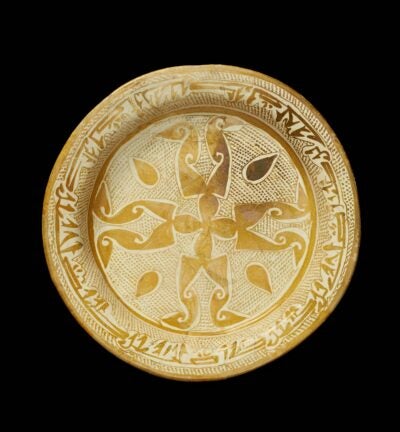
Early Islamic ceramics have long been admired by the West alongside other exemplary works of the “decorative arts”. The traditional and oft-repeated narrative purports that ceramics are an imitative craft, copying the forms of metal and glass vessels in a less expensive media. Yet, the archaeological record suggests that ceramics are much more than cheap imitations or objects of a static industry devoid of originality. Ceramics often appear in dialogue with other portable objects, including metalwork and glassware, but also textiles, woodwork, and manuscripts, amongst others. They document a shared and dynamic artistic vocabulary that does not require the continued influence of high-status objects. Moreover, ceramics often represent the tastes and preferences amongst the non-elites of society. As such, ceramics provide a record of the innovative and interconnected tastes of potters and buyers of a level of society not typically represented in the art historical discourse. Through the examination of ceramics as more than wondrous artefacts of the “decorative arts”, this paper aims to shift the traditional dialogue and reclaim the agency of potters, reframing their wares as purveyors of a multifaceted and intersected craft industry in the early Islamic world. In so doing, the present study provides an alternative approach to understanding ceramic production and thus new ways of representing ceramics within the context of early Islamic art.
Ceramics as Purveyors of Interconnected Craft Industries in the Early Islamic World
Rebecca Wrightson
2026-2027 Brown Bag Series