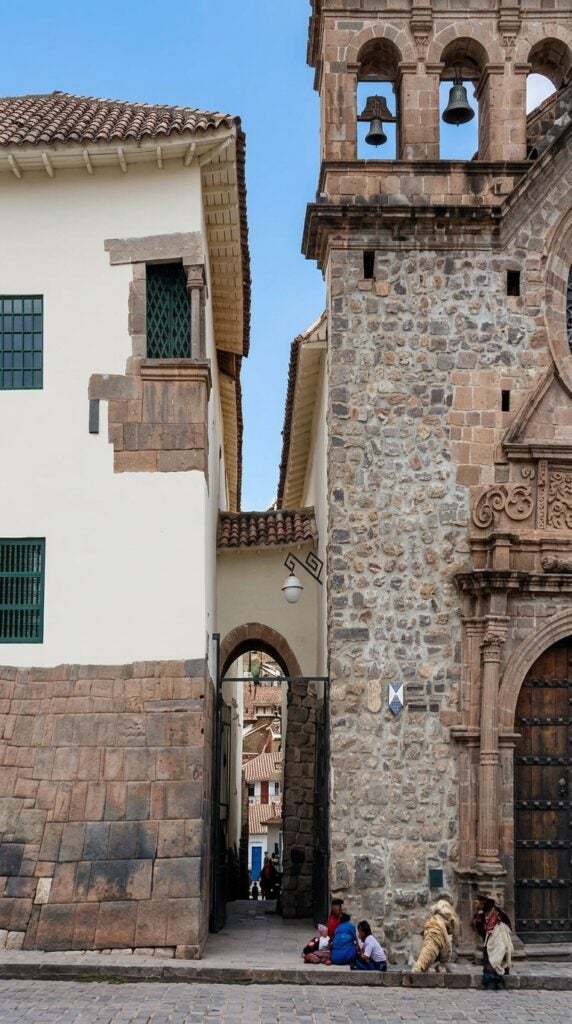
People negotiate and shape their living and working environments through architecture, art, language, signage, and other symbolic practices to express their identity and sense of belonging. In multilingual settings, the study of how different languages appear in public space is known as Linguistic Landscape (Landry & Bourhis, 1997). In this study, Susana de los Heros explores the Linguistic Landscape of Cusco, Peru — the former capital of the Inca Empire and now a major tourist hub — examining how Quechua, Spanish, and English appear in public spaces such as streets, businesses, restaurants, and a local hospital, and how symbolic artwork ties into regional distinctiveness. By studying the city’s landscape, from street signs to hospital notices, de los Heros hopes to better understand how language and symbols shape local identity and how people feel about their city.