What is a Peer Recovery Specialist?
A Peer Recovery Specialist is someone with lived experience of recovery from substance use or mental health challenges, or a loved one of someone navigating substance use or behavioral health complexities, who is trained to support others on their own recovery journeys.
Rather than providing clinical treatment, they offer mentorship, encouragement, goal-setting support, and connection to resources, using shared experience to build trust and reduce stigma. Their role centers on empowerment, hope, and helping individuals develop practical strategies to strengthen overall well-being.
Our role in your recovery
Educator/Coach
In the non-clinical approach of a Peer, they provide supportive interventions such as education and guidance with life skills promoting recovery. This includes personal one-on-one meetings with Peers, and group facilitation.
Systems Navigator
Our Peers recognize the difficulty in navigating social support systems and substance-related resources, and they are here to guide you through this process. Our Peers have direct-connections and resources at a variety of different support facilities throughout the state.
Advocate
A PRS represents the needs and welfare of the individual by representing their personal preferences and needs while supporting that individual in developing their skills for self-advocacy.
Mentor
Our PRS’ have that “been there, done that” mentality. Having relatable experiences with the people they serve is crucial in navigating the road to recovery by providing wisdom and knowledge from their lived-experience.
Our staff

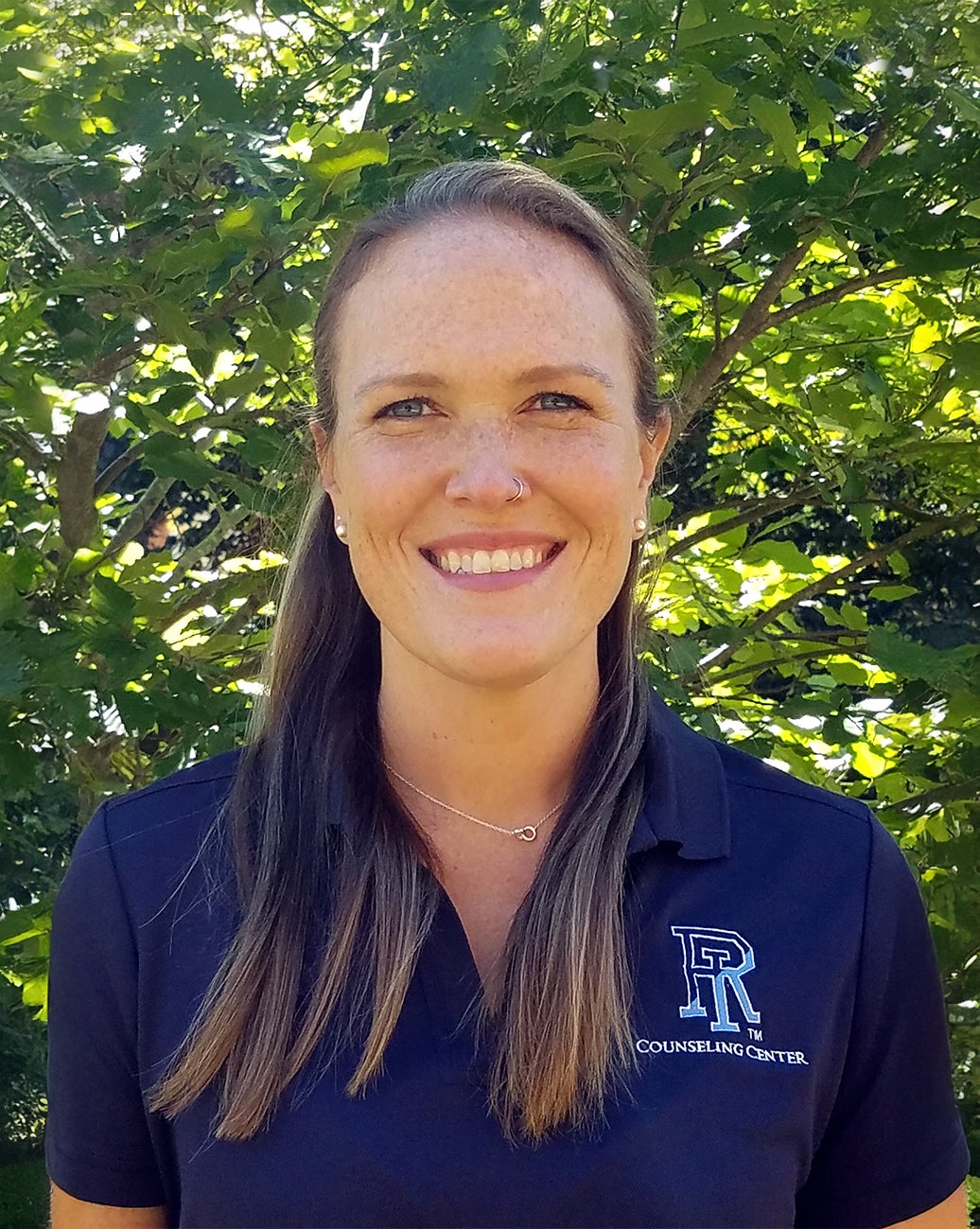
Peer Recovery Specialist / Graduate Research Assistant
Collegiate Recovery Program

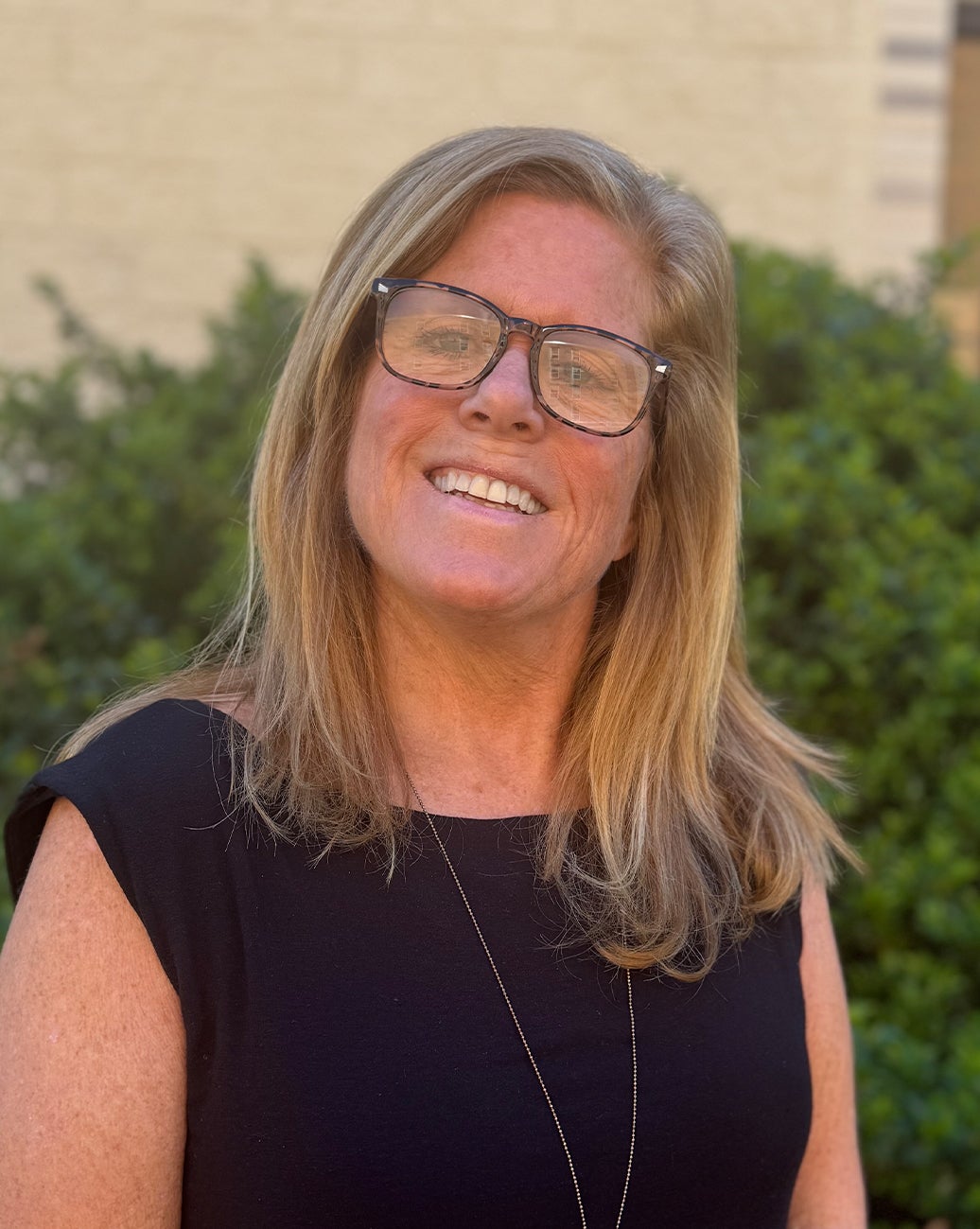
Specialist, Alcohol and Other Substances Prevention Services
Health Services


What does a weekly session with Andrew or Sydney look like?
Session 1: Meet and Greet, questions and answers, finding understanding on how each student defines what they want their wellness plan to serve as or look like:
- Quitting vaping
- Leaning into a t-break
- Finding way to engage in health enhancing behaviors
- Learning to moderate drinking or other substance use
- Preventing a return to substance use
- Or whatever the student wants
Session 2 (and beyond): Continue to adapt and change wellness plans to best serve students, and track progress towards students’ individualized goals.