
Biomedical engineering is an interdisciplinary area in which engineering techniques are applied to problem solving in the life sciences and medicine.
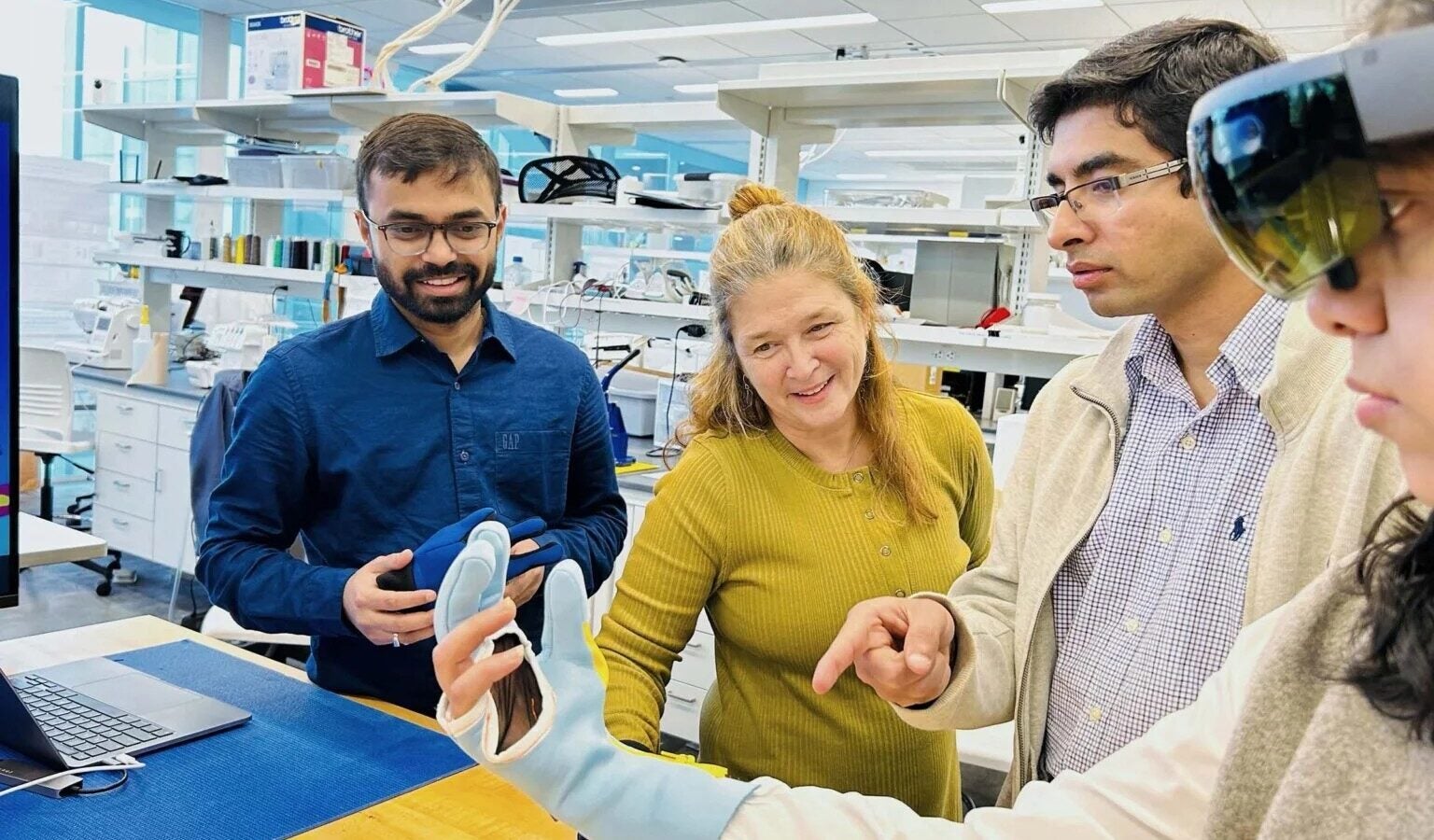
Biomedical engineering is where engineering innovation meets human health. From decoding brain activity and designing intelligent medical devices to advancing rehabilitation, biomedical imaging, and AI-driven healthcare, biomedical engineers transform discoveries into technologies that can change lives. By bridging engineering, biology, and medicine, they are shaping how we understand the human body and the future of healthcare.
At URI, biomedical engineering students turn ideas into technologies that can transform human health. There are multiple opportunities for research and innovation from the undergraduate level onward to build the skills and experience to pursue careers in industry, medicine, research, or graduate study. With pathways into multiple M.S. and Ph.D. programs, you will work alongside faculty on cutting-edge research, gain hands-on experience with advanced biomedical technologies and facilities, and explore fields ranging from neurotechnology and wearable biosensing to biomechanics, rehabilitation, and biomedical AI.
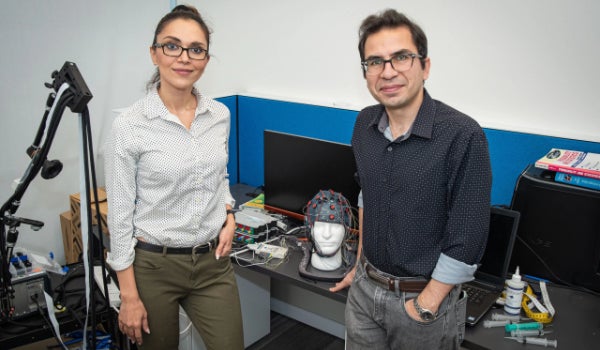

Recent News
 URI Biomedical Engineering Professor Receives NIH R01 Award to Advance Multimodal Neurotechnology and Motor Brain Research - KINGSTON, R.I. – Sept. 16, 2026 – Associate professor and biomedical engineering acting chair at the University of Rhode Island Yalda Shahriari has received a $1.015 million R01 research grant from the National Institutes of Health to develop an innovative multimodal neurotechnology framework aimed at better understanding and enhancing the brain’s motor networks.
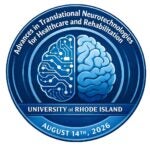 Registration open for URI Biomedical Engineering Symposium Aug. 14 - Discover the future of healthcare and neurotechnology at the University of Rhode Island’s Advances in Translational Neurotechnologies for Healthcare and Rehabilitation Symposium. This exciting one-day event will bring together leading researchers, clinicians, faculty, industry innovators, and students to explore groundbreaking advances at the intersection of engineering, neuroscience, healthcare, and rehabilitation.
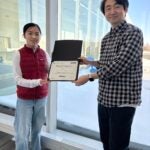 Engineering sophomore awarded an IEEE Power and Energy Society scholarship - University of Rhode Island computer and electrical engineering sophomore Helen Ly ’28, of Providence, Rhode Island, was awarded an Institute of Electrical and Electronics Engineers Power and Energy Society scholarship for 2026.