
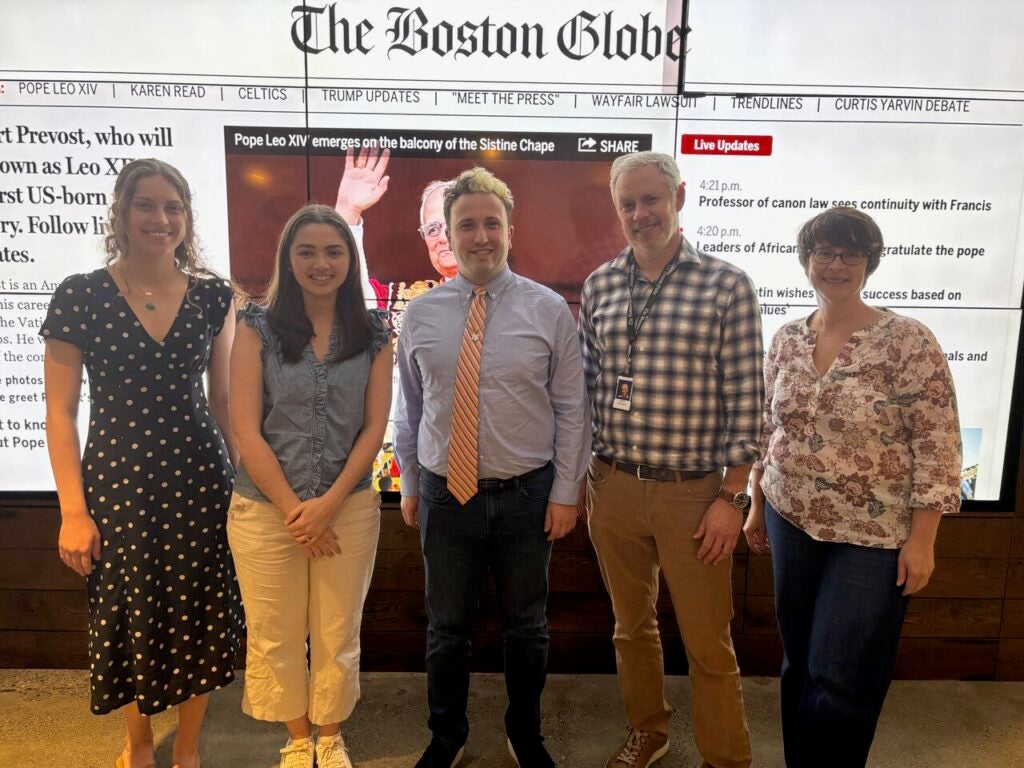
Congratulations to the 10 New England newsrooms chosen for the third cohort of Metcalf Institute’s Climate Ready Newsrooms fellowship!
The fellowship is designed to support local newsrooms in their efforts to report on climate and environmental science. Importantly, this fellowship focuses on local newsrooms — not individuals in newsrooms — and their specific challenges in reporting on these issues for their communities. This fellowship aims to address the challenges that local newsrooms face when covering these critical issues, providing the training and resources needed to be “climate ready,” and prepared to produce long-term, accurate, equitable and impactful coverage that serves their communities.
We are thrilled to welcome a group of newsrooms representing all six states in New England. The cohort encompasses a mix of small, medium, and large newsrooms, serves urban, suburban, and rural communities, uses digital, print, radio, and television formats, and spans institutions as new as a few months old and as historic as 162 years old. We look forward to seeing this group work together and learn from each other as they develop their climate reporting goals and strategies.
From mid-October through November, journalists from each newsroom will engage deeply in topics including scientific uncertainty, climate attribution science, community engagement, and translating academic research through six training sessions, and bring back what they learned to share with the whole newsroom. In early 2027, Metcalf Executive Director Fara Warner and Program Manager Ethan Brown will coach these newsrooms through their climate readiness goals.
2026-2027 Climate Ready Newsrooms Cohort
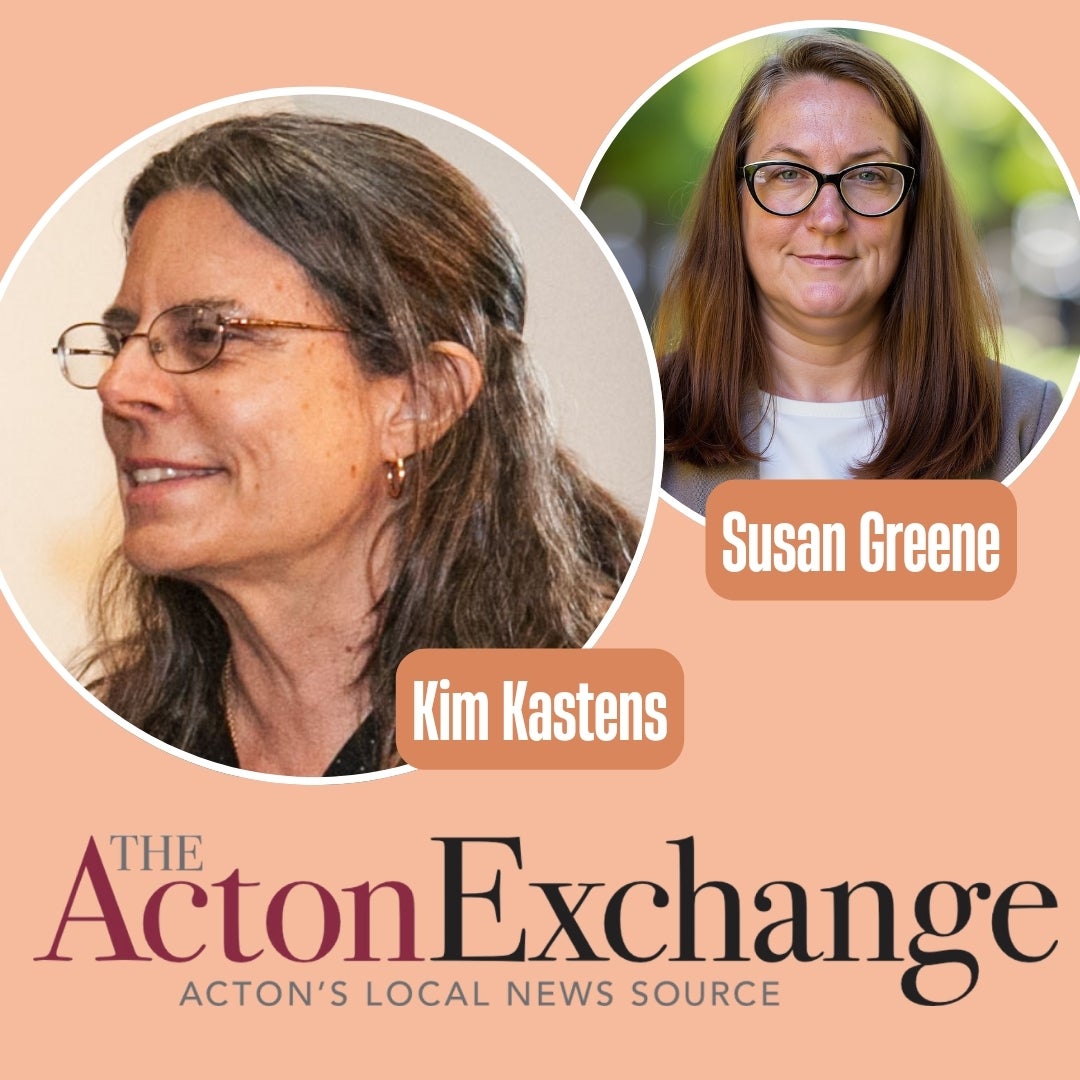
Kim Kastens & Susan Greene
Climate Ready Newsrooms

Eloge Willy Kaneza
Climate Ready Newsrooms
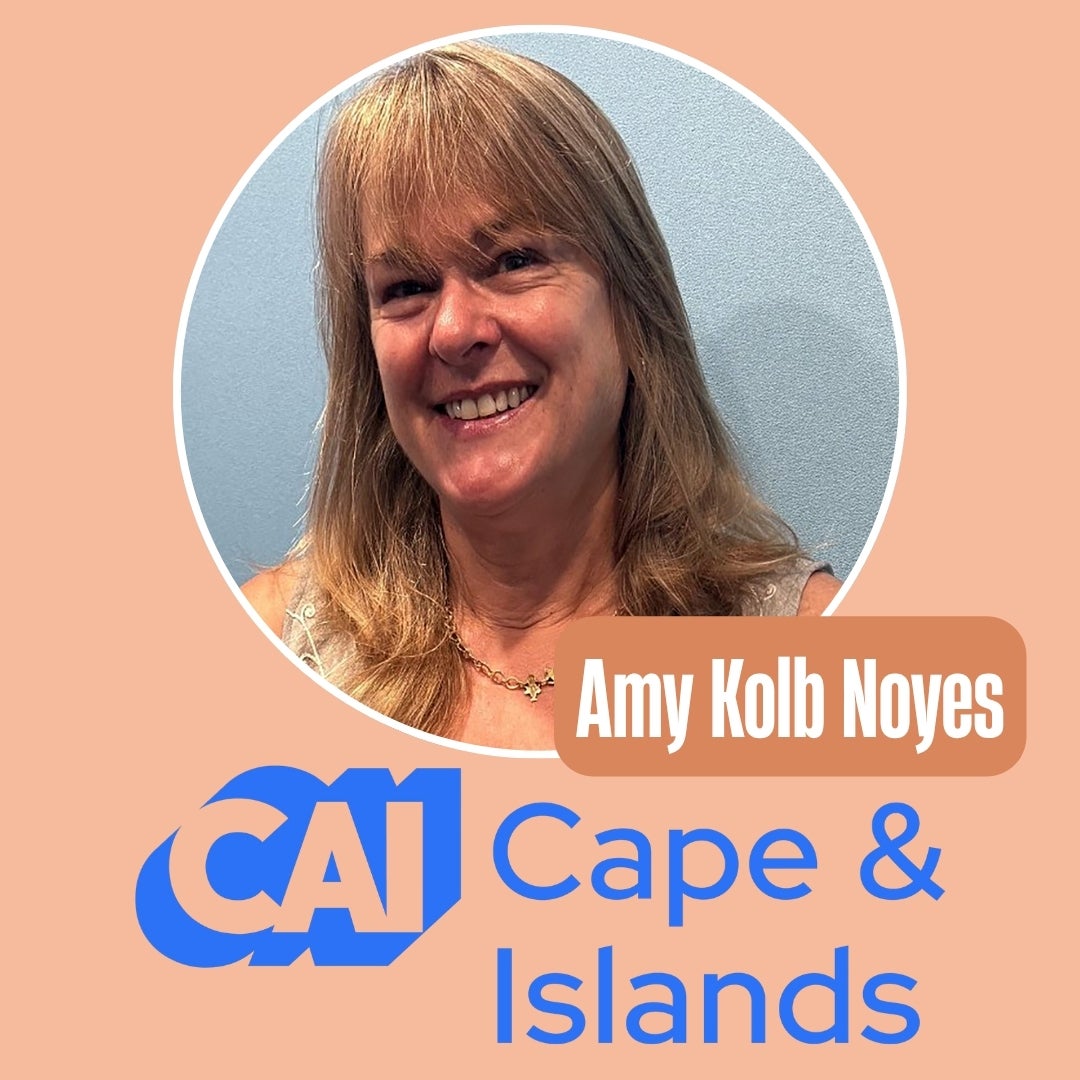
Amy Kolb Noye
Climate Ready Newsrooms
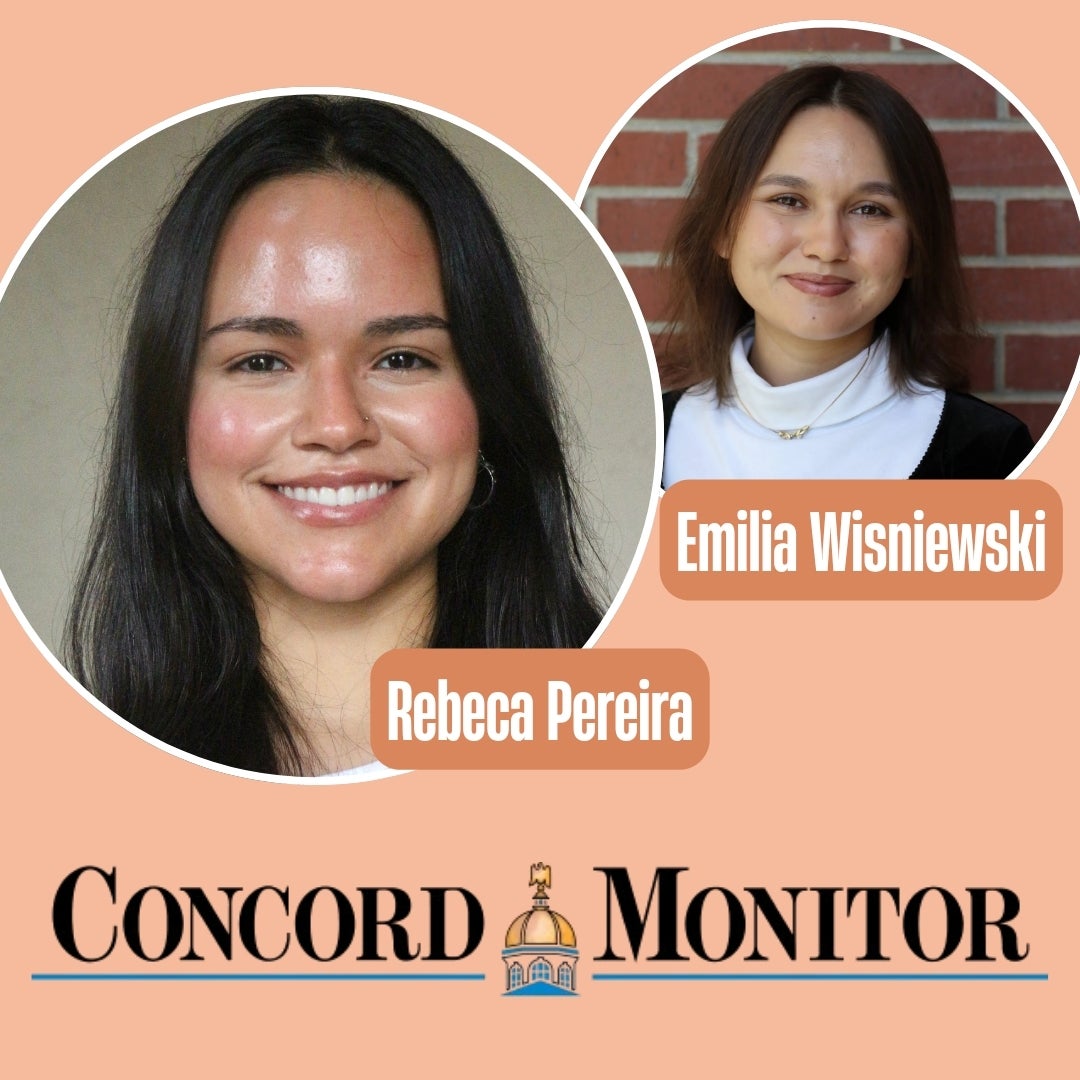
Rebeca Pereira & Emilia Wisniewski
Climate Ready Newsrooms
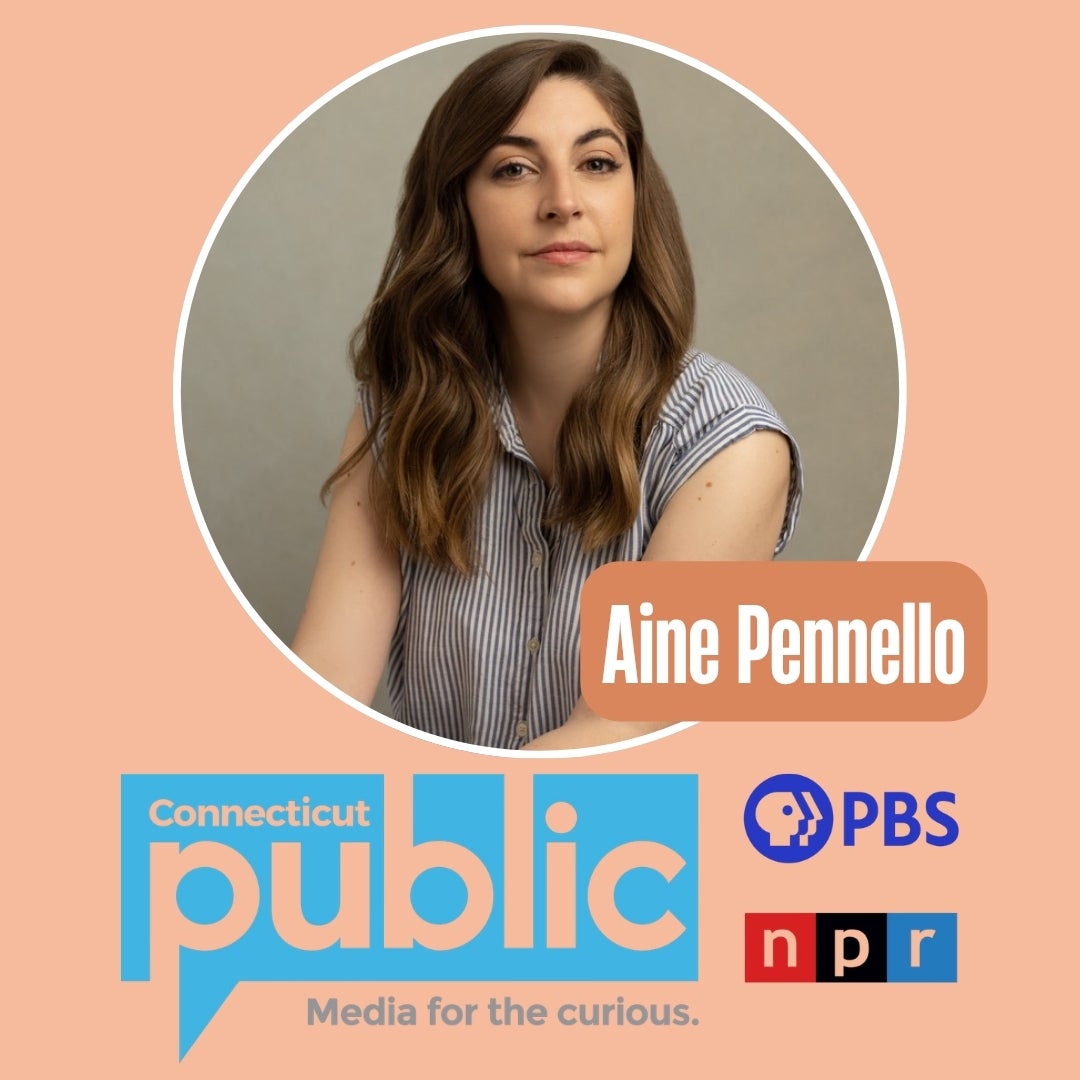
Aine Pennello
Climate Ready Newsrooms
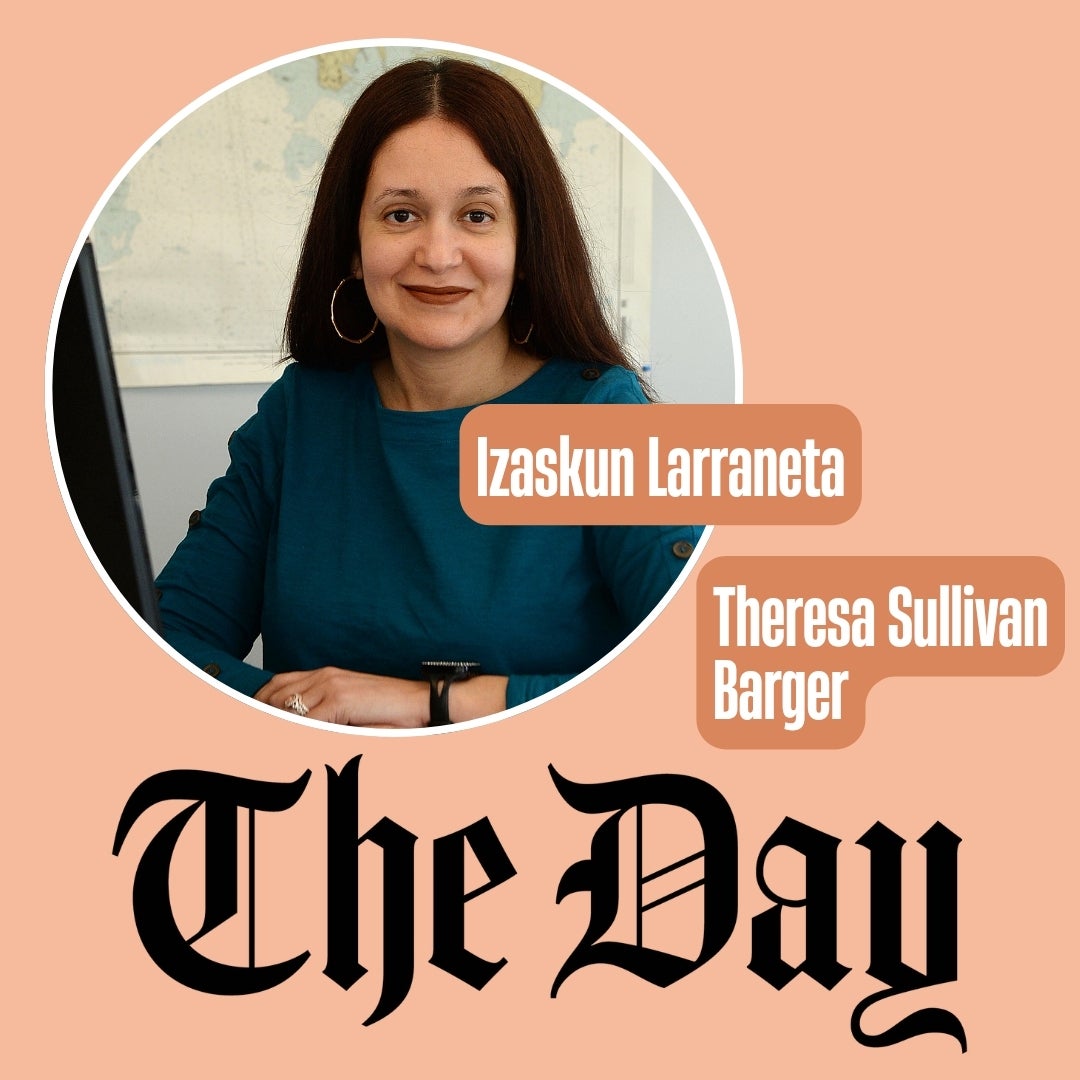
Izaskun Larraneta & Theresa Sullivan Barger
Climate Ready Newsrooms
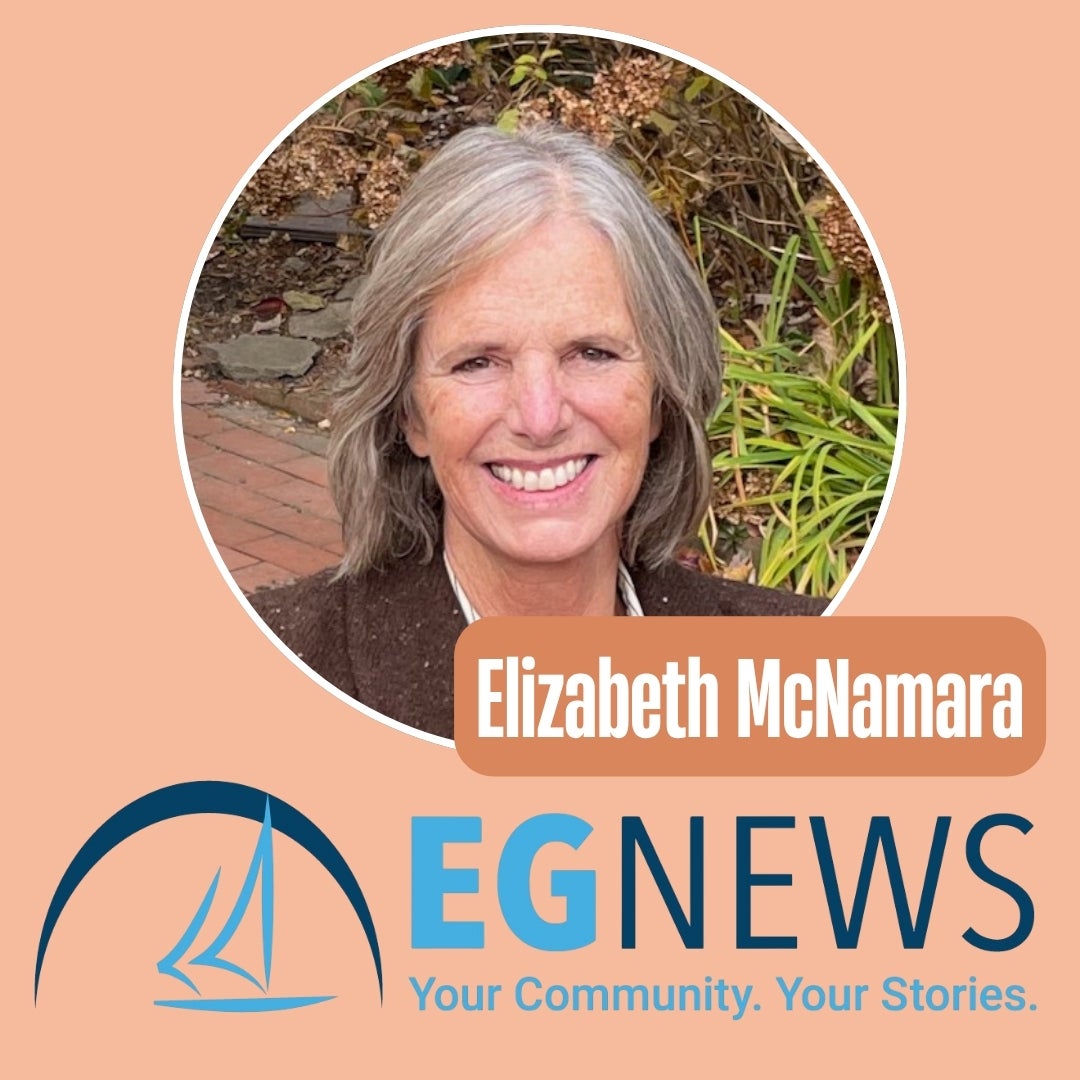
Elizabeth McNamara
Climate Ready Newsrooms
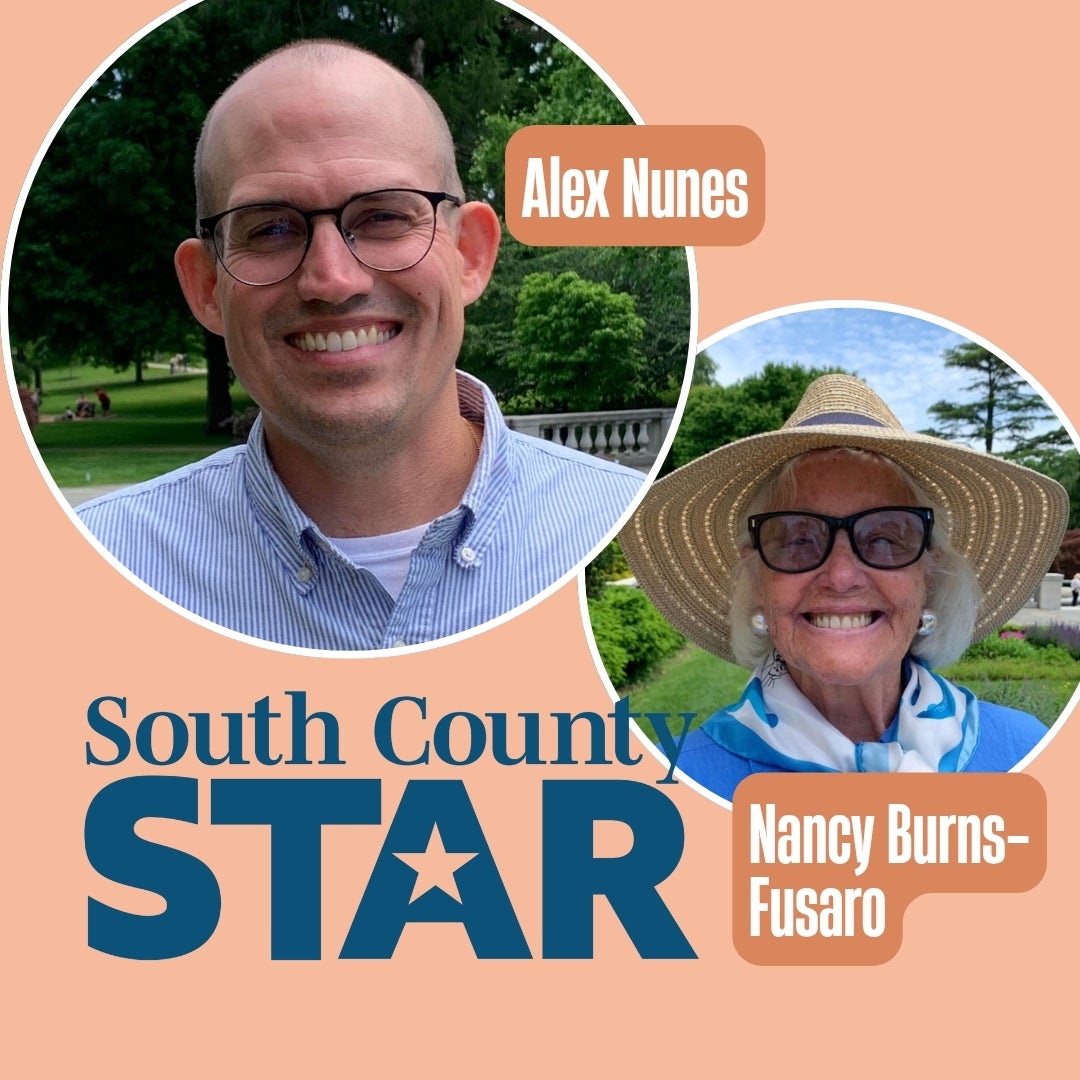
Alex Nunes & Nancy Burns-Fusaro
Climate Ready Newsrooms
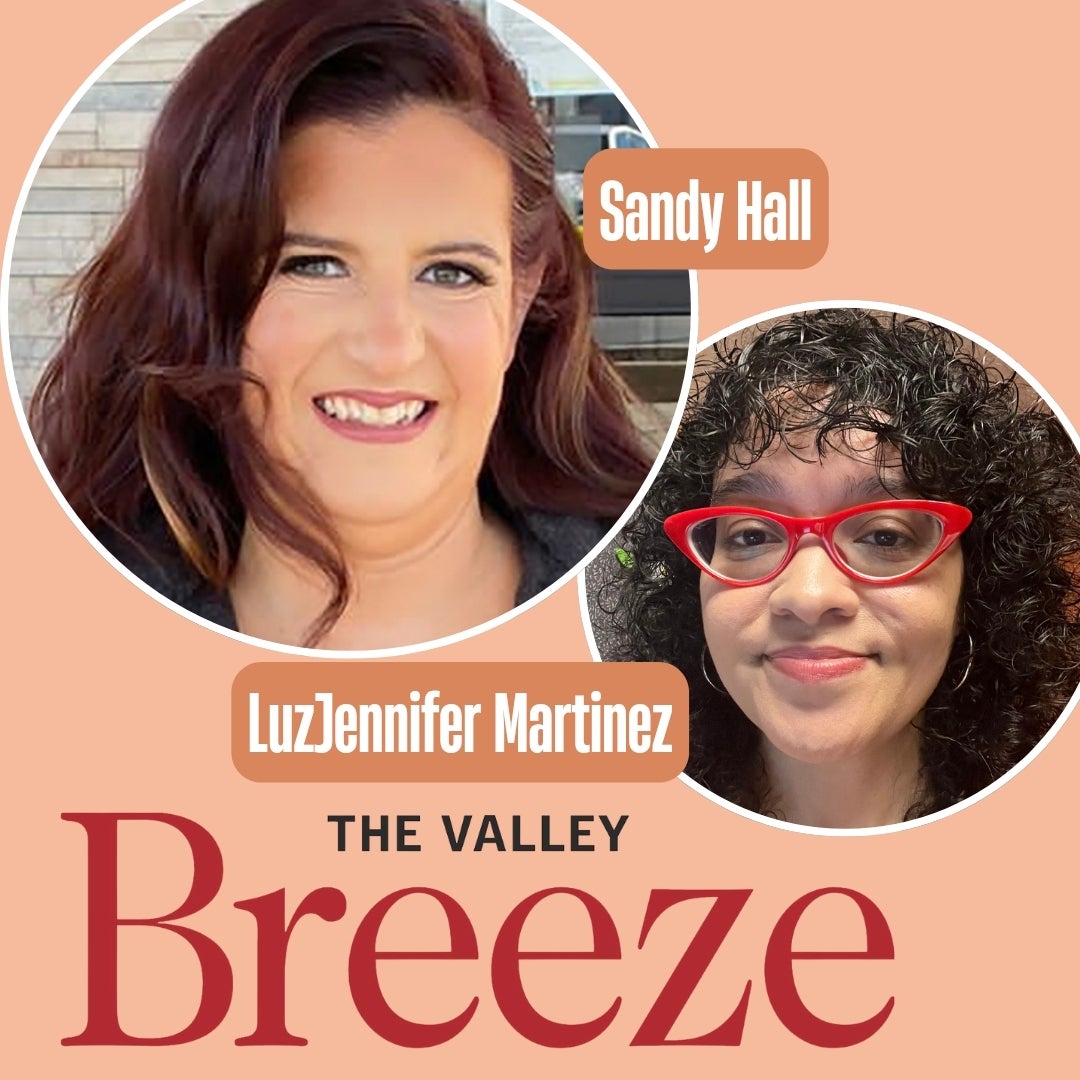
Sandy Hall & LuzJennifer Martinez
Climate Ready Newsrooms
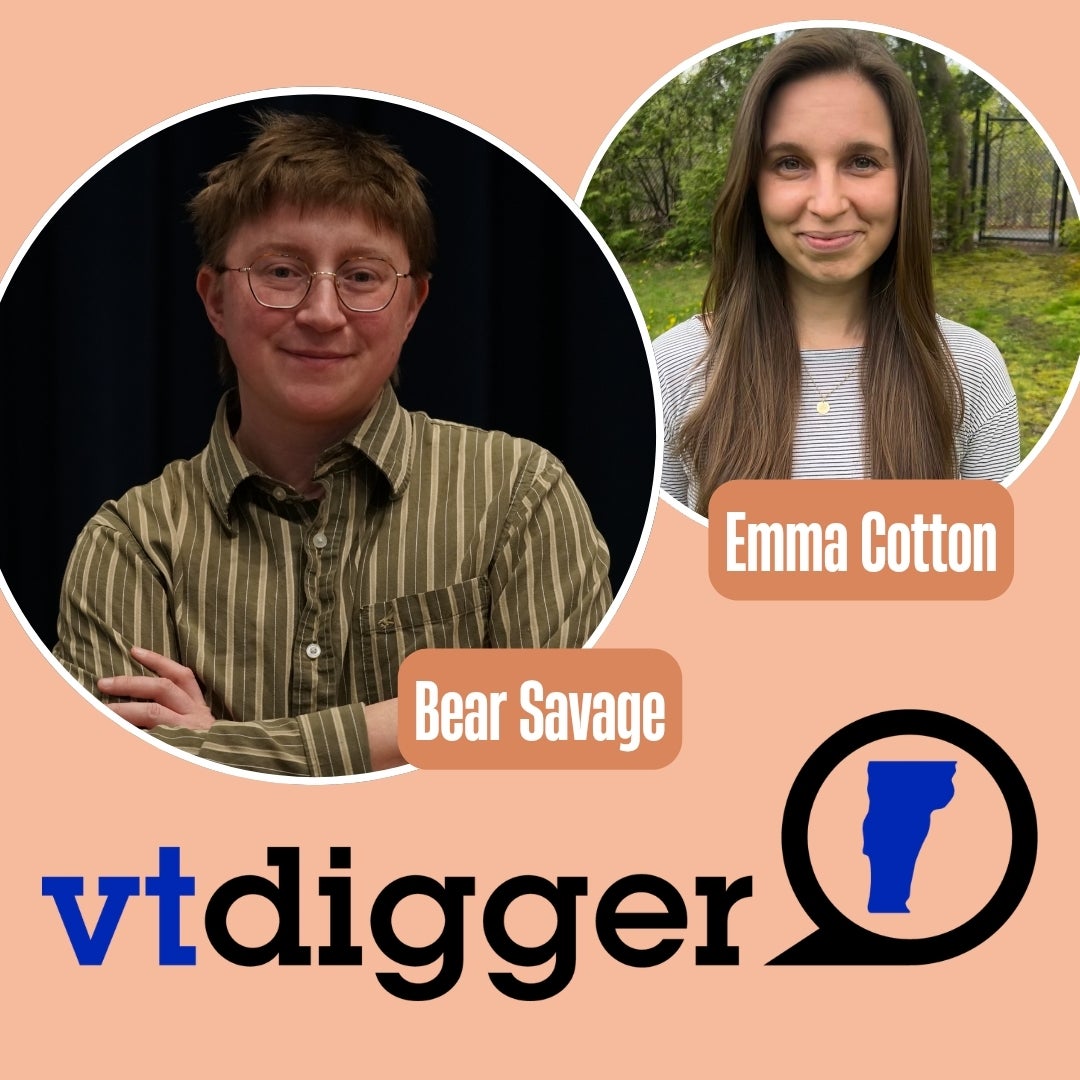
Bear Savage & Emma Cotton
Climate Ready Newsrooms
Built for the challenges of local journalism
At first glance, taking on new responsibilities may seem like another burden for your newsroom. However, this fellowship is designed to spur newsroom-wide system changes that make the jobs of editors and reporters easier in the long run.
With help from Metcalf Institute, each newsroom develops a practical and sustainable goal based on its own needs and bandwidth. Past participants have:
- Developed a newsroom-wide protocol document for climate disaster coverage
- Built source lists with regional scientists, shared across the team
- Expanded climate knowledge beyond a single specialist
- Launched projects such as pop-up newsrooms to better understand community needs
- Established realistic routines for producing regular solutions-focused coverage
The goal does not have to be large. It should be useful, achievable, and impactful.
“Because we’re such a small staff, having one story every month focused on environmental solutions was a very sustainable and focused step that we were able to realize through this fellowship. A lot of people are doing good in the community, and being able to shine a light on those stories is important for us as community papers.”Rosegalie Cineus, Reporter at The Cranston Herald
Based at the University of Rhode Island, Metcalf Institute has brought journalists, scientists, and community representatives together since 1998 to strengthen accurate, contextual coverage of climate and environmental issues. Climate Ready Newsrooms builds on that expertise with a tested newsroom-wide training model that combines science training, peer learning, and one-on-one coaching to help local news organizations create lasting change.
Fellowship Benefits:
- Interactive Training: Six workshops on Zoom led by University of Rhode Island faculty and regional experts, focused on translating complex climate and environment science into compelling news stories relevant to local communities.
- $1000 Stipend: Each participating newsroom will receive a stipend to use to support those in the training or other expenses related to the goals set during the fellowship.
- Individualized Coaching: Three months of coaching from Metcalf Institute’s journalism experts, offering guidance to identify gaps in climate and environmental coverage, choose an organization-wide strategic goal, and turn that goal into manageable steps, behaviors, and deadlines.
- In-Person Visit: One of the coaching sessions will be an in-person visit, offering the opportunity to dive deeper into a specific topic of interest, socialize your newsroom’s goals across more of your team, or facilitate meaningful discussions.
- Peer Learning and Collaboration: Engagement with nine other New England newsrooms in the cohort during Zoom workshops. Newsrooms will also have the option of joining Metcalf’s new Climate Ready Newsroom collaborative, where newsrooms across all three cohorts will partner on a joint regional reporting project with support from Metcalf Institute and URI’s Community News Lab.