
About Jacob Wycoff
Jacob Wycoff is a meteorologist at WBZ-TV in Boston, where he brings trusted forecasts and in-depth climate reporting to viewers across New England. An Emmy Award-winning journalist, Jacob has been recognized for his storytelling on weather, science, and the environment — including seven regional Emmys and the Massachusetts Broadcasters Association’s Television Personality of the Year award.
In addition to daily forecasting, he leads WBZ’s Climate Watch coverage, highlighting local impacts and solutions to the climate crisis. Jacob’s reporting blends science, community voices, and compelling storytelling, continuing WBZ’s legacy of delivering journalism that informs and inspires.
Outside the newsroom, Jacob is a proud husband and father of two who enjoys golf, exploring New England, and finding everyday ways to connect science with family life.
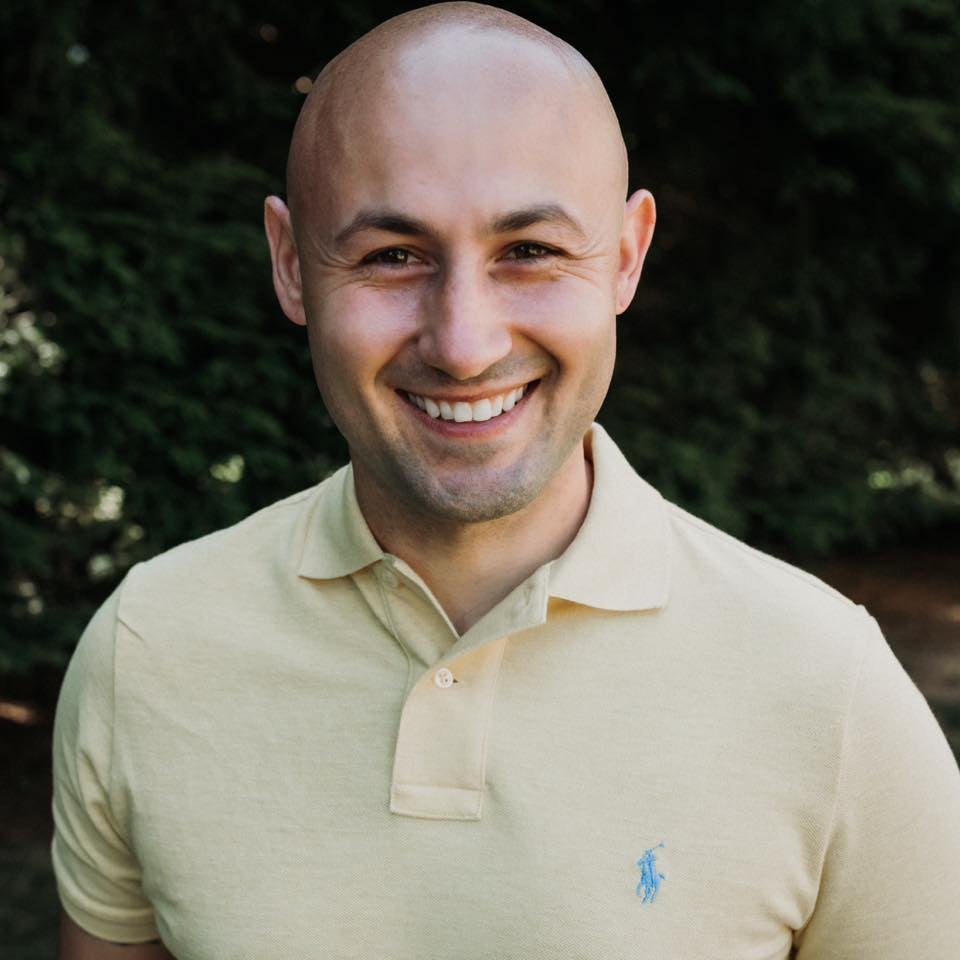
Jacob spoke with Metcalf’s Ethan Brown about his latest award-winning climate special on Massachusetts water issues, his experience in Metcalf’s Climate Ready Newsrooms fellowship, and the young people giving him hope for the future of the planet.
First off, congratulations on all the well-deserved awards that your Climate Watch special received. Tell us about your process working on the special and some of the recognition it received.
JW: We have done these climate specials for the last four or five years. Each time, we try to focus on some of the overarching themes of the year. For instance, we may get a few bouts of sea level rise and coastal flooding, and so we’ll focus on how we can adapt. This past year, the climate change special focused on water. That was our theme: how water shapes our everyday lives in the Bay State, whether enjoying it at the beaches and how some of those beaches are eroding away, or how our lakes and ponds and rivers are becoming toxic because of the nitrogen that is getting into the systems.
One thing that Metcalf Institute really taught me in the [Climate Ready Newsrooms fellowship] is solutions journalism. I think that’s something that our viewers really appreciate. We can be doom and gloom, but that doesn’t leave anyone with a sense of hope or a sense of action. So what I try to do in my reporting is leave people with, hey, this is happening, but we also have people that are doing A, B, and C to try to fix it or adapt to it.
As far as the awards go, I feel very honored, and in some cases surprised, to get some of the recognition that I have. It all kind of started back in April when we got an email from the National Headliners Awards. It’s one of the oldest journalism awards in the country and you’re up against everyone in the nation that submits, and we won their TV Local Health, Science or Environmental Reporting award. Incredible stuff. Again, I didn’t expect it. The next award that we got was a Regional Edward R. Murrow Award, and that one was tricky, too, because we’re up against a lot of stations in the Northeast. We entered the climate change special in the News Documentary category. So we were up against a lot of different themes, and for a climate special to succeed against all these other themes, I think, is pretty cool. It also speaks to the stories that I tell, that they are interesting, they’re visually stunning, and hopefully my writing is also pretty good. And then back in June, we just won an Emmy Award for the Climate Change Special. So I am very proud of all three of those.
I’ve done these, as I mentioned, for the last four or five years, and this one is my baby. You love all your kids, but this one, you know, is special to me, because I felt like the stories were interesting. I took special care of the writing that I did. The editing was top-notch. We have an amazing team at WBZ that edits all our stories. So, I’m just really proud of the teamwork that it took to put this together, and obviously honored to get these recognitions.
Why would you say the work you’re doing is important, especially right now?
JW: I think it’s important because people see what’s happening, right? And when people see what’s happening and they have questions, we as journalists and as scientists need to be able to answer those questions. A story may not apply to you directly, but it will apply to you in other ways. So, thinking back to the sonic buoy on Martha’s Vineyard; I don’t live on Martha’s Vineyard, but the ponds that are in my backyard could also have cyanobacteria. These are solutions that this pond is using that could apply back home.
I think that [my work] is also meeting the moment because we live in a really educated area, and people understand science. They understand that humans can have impacts on their environment. I take special care of the stories that I tell to be accurate, truthful, and, if possible, to be that sense of hope while still answering a question.
What’s giving you hope these days?
JW: In addition to my climate change reporting, I’m also a board member for the National STEM Festival, and I am thrilled to see young people get it. Young people truly get it. Every time I visit a school, or every time I talk to a young engineer or a young inventor, they all want to see the changes that we as adults should be making. That’s what brings me hope. I know that if my generation can steward the Earth for 20 or so years, and as these kids that are in high school get to be our age, they get it, and they’re gonna take good care of the planet. We just have to get it over that hump a little bit.
I do have a really, really poignant moment. I was at the National STEM Festival last year, and I was talking to a young man who had this amazing science project, and I asked him, why do you think you came up with this idea when adults have been on this path forever? He said something that I’ll never forget, which was, “I am naively optimistic about what I can accomplish in this world.” So when you don’t have the bounds set up, you can just roam in the pasture and explore an idea. And maybe it fails, but you know what? That same idea for adults was on the other side of the fence, but those fences don’t exist for kids. And so I love the fact that kids aren’t asking “why can’t it be this way?”. Instead, they’re reaching and just making it happen.
How has your experience with Metcalf impacted your work and your career?
JW: In a lot of ways, it solidified the work that I was doing. I was already on this environmental journalism kick, and [Metcalf] gave me additional tools to make my reporting better. There’s a lot of little skills in reporting that you have to sharpen, like being able to read scientific papers in a more concise way and understand the important points. Not that I didn’t know how to do it, but [Metcalf] helped me understand it a little bit better. Those are the types of tangible skills that Metcalf Institute was able to give to me, as someone who already had experience in this environmental journalism world.
What would you say you remember most about your experience with Metcalf?
JW: Getting together with like-minded journalists and collaborating to improve our journalism field as a whole was a really good takeaway. Whether it’s TV stations, print media, or radio, we’re all fighting for eyeballs. And during Metcalf, it was like, no, we want to build up the journalism field to be the best that we can. It wasn’t fighting over each other’s viewers or readers. It was a really good sense of collaboration and wanting to just see good things come of it.
This interview has been edited for length and clarity.