

As a leader in STEM education, Rhode Island College has been a key collaborator in connecting undergraduates with EPSCoR-supported research. RIC faculty and students have discovered new insights on the lives of purple sea urchins in Narragansett Bay, developed web tools to help educators visualize complex science, and engaged communities in understanding how coastal areas are changing due to the effects of sea level rise and variable temperatures.
Current Projects


Latest News
 RIC and EPSCoR investigator leads SURF students to engage local communities about microplastics - Microplastics permeate our environment. We inhale them in the air, ingest them in our food and absorb them through our skin. They travel through our bloodstream and settle throughout our body. They’re in our bones and brain, semen and placenta, breast milk and meconium (a newborn’s first stool).
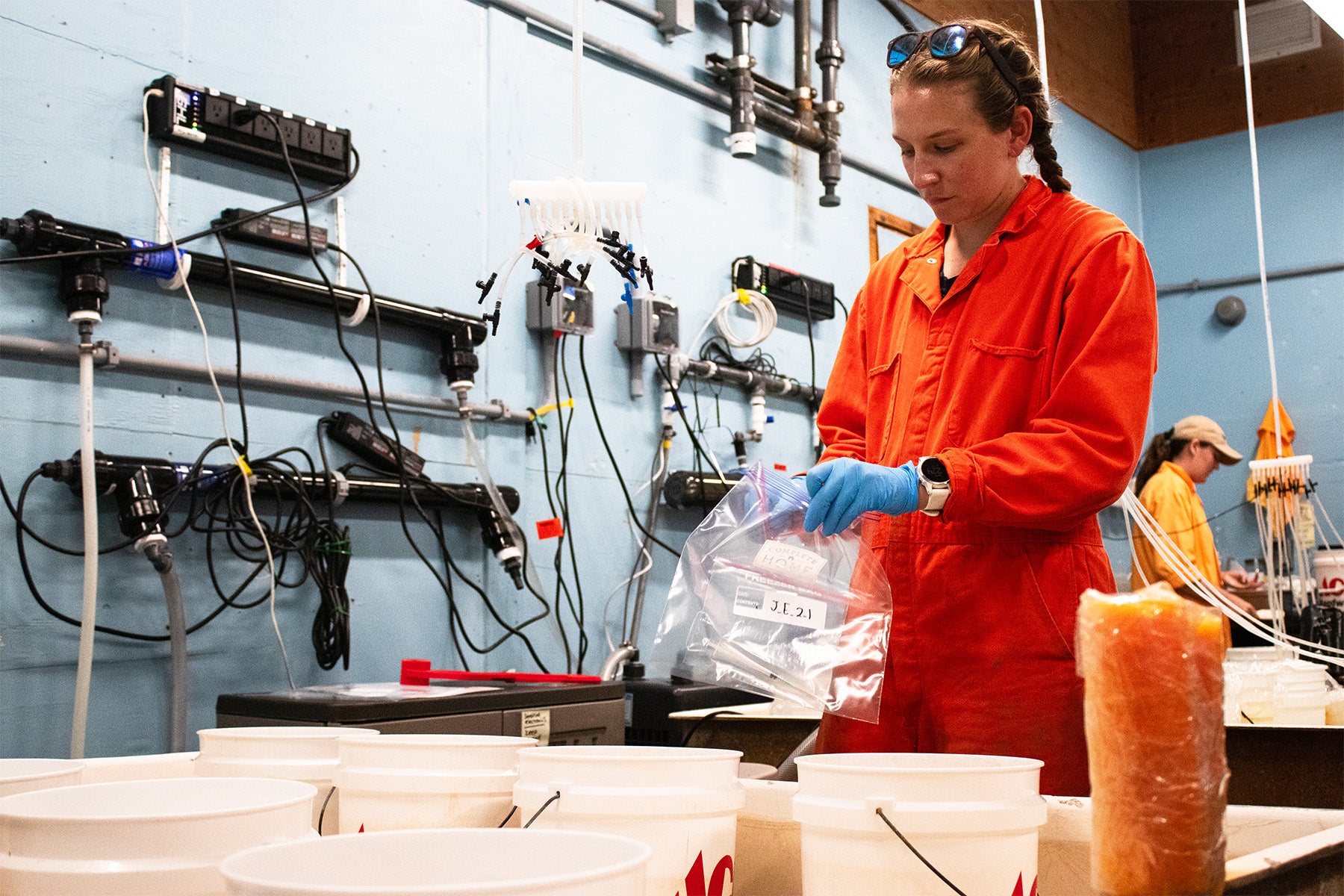
 RIC and EPSCoR investigator Narvaez Diaz explores how purple sea urchins eat in coastal waters - Climate change is driving a shift in the distribution of global kelp forests, with the contraction of kelp habitats occurring at warm range edges. Declining kelps often have been replaced by novel algal turf assemblages, which are reinforced by ecological feedback mechanisms and provide fewer ecosystem services. Trophic interactions among marine herbivores, algal turfs, and kelps on algal turf-dominated reefs remain poorly resolved but could have important implications for the stability of algal turf reefs and the potential for kelp forest recovery.
 RIC and EPSCoR investigator Lacasse co-author on study examining public perception of emissions and climate - The ambition and effectiveness of climate policies will be essential in determining greenhouse gas emissions and, as a consequence, the scale of climate change impacts. However, the socio-politico-technical processes that will determine climate policy and emissions trajectories are treated as exogenous in almost all climate change modelling. Here we identify relevant feedback processes documented across a range of disciplines and connect them in a stylized model of the climate–social system.
Student Success
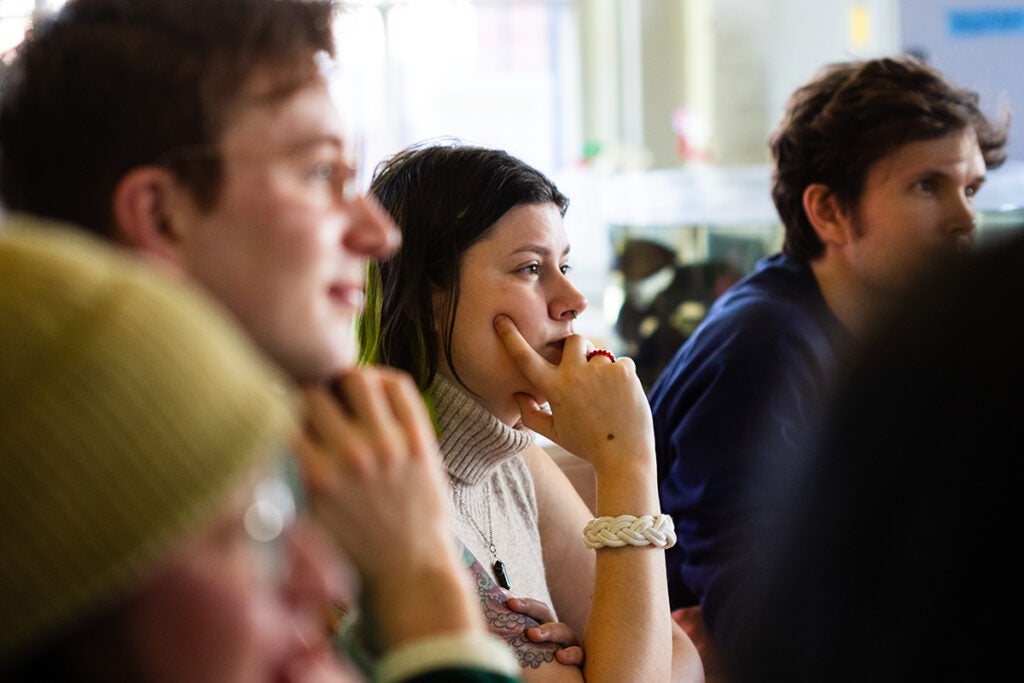
Cassy DeBlois, a graduate student in biology at RIC, shares her love for marine creatures through art.
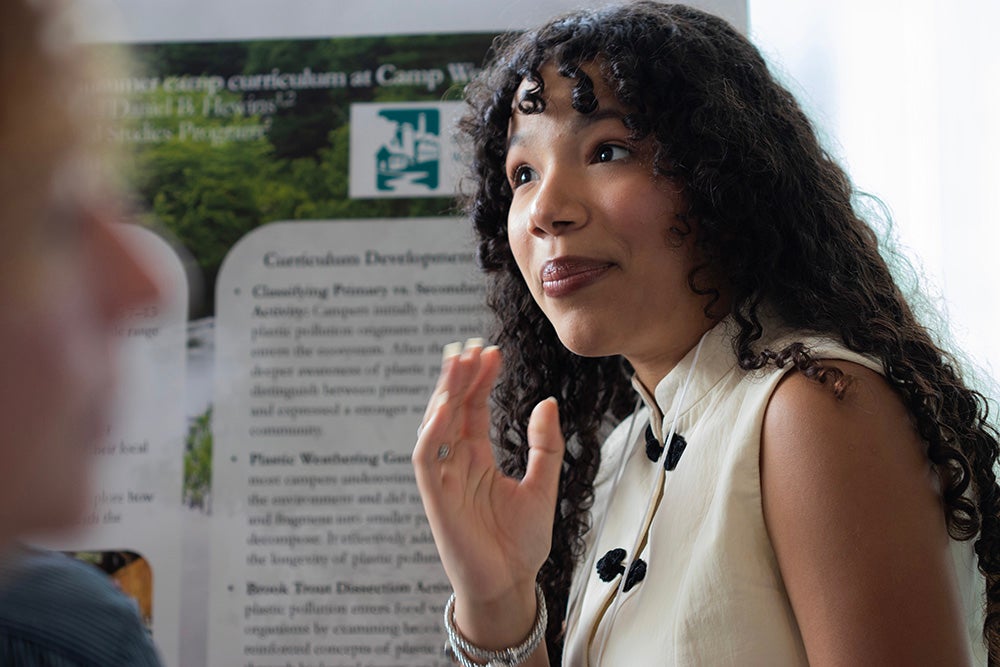
Elizabeth Turbi Padilla and Judith LaRose engaged youth about the science and impact of plastic pollution as 2026 SURFs.
Student ProgramsFaculty Spotlight


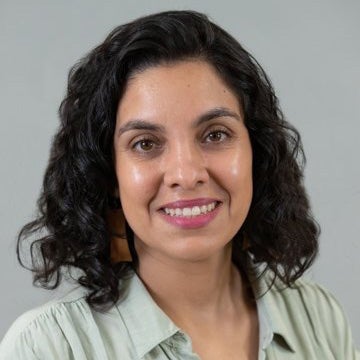
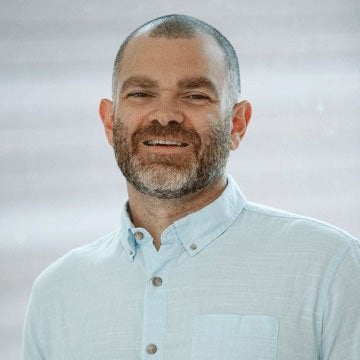
Want to learn more, join our community and offer your unique perspective on RI NSF EPSCoR and programs like RI-NEST?
 RI NSF EPSCoR is supported in part by the U.S. National Science Foundation under EPSCoR Cooperative Agreements #OIA-2433276 and in part by the RI Commerce Corporation via the Science and Technology Advisory Committee [STAC]. Any opinions, findings, conclusions, or recommendations expressed in this material are those of the author(s) and do not necessarily reflect the views of the U.S. National Science Foundation, the RI Commerce Corporation, STAC, our partners or our collaborators.