
At URI, landscape architecture is a launchpad for innovation—where cutting-edge technology meets bold design to build smarter, more resilient communities. We tackle today’s biggest challenges head-on, from climate change and coastal resilience to sustainable urban growth and environmental justice.
You’ll work with real clients on real projects, using the latest tools in GIS, 3D modeling, data analysis, and digital fabrication to create landscapes that are not only beautiful but smart, adaptive, and sustainable. Graduating from URI means you’re ready to lead the next generation of landscape architects—innovating with technology and creativity to shape a healthier planet and vibrant communities.
Join us at an exciting moment for URI’s Planning and Landscape Architecture programs!
We’re recruiting for two tenure-track Assistant Professor positions.
Learn more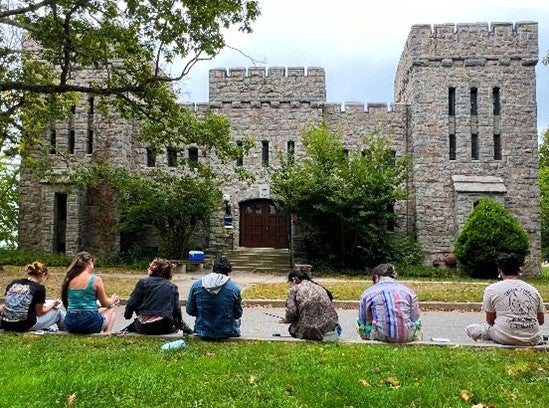
News
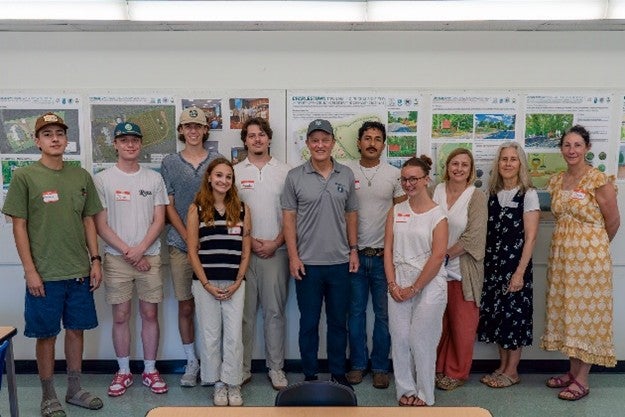
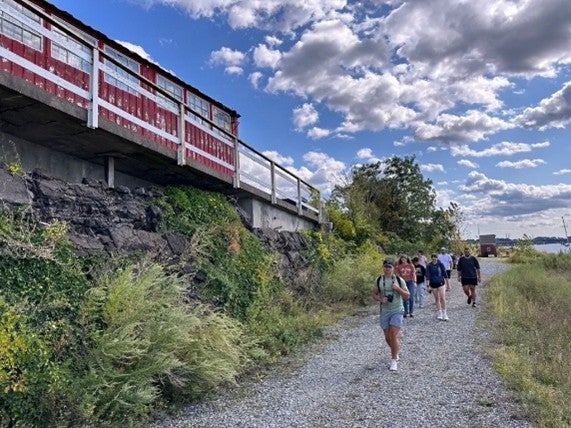
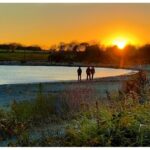 A Vision for Jamestown: Reimagining the Mackerel & Sheffield Coves Waterfront - Supported by Rhode Island Sea Grant and led by Professor Hongbing Tang, the Spring 2025 Landscape Architecture Capstone studio developed an integrated vision to enhance climate resilience and community value along Jamestown’s Mackerel and Sheffield Coves waterfront.
 Fellowship Spotlight: Astou Dieng on Using GIS River Models for Flood Mapping in Providence - Astou Dieng, a landscape architecture major from Providence, Rhode Island, completed her CELS Summer Research Fellowship working under Dr. Soni Pradhanang on GIS flood mapping for Providence.
 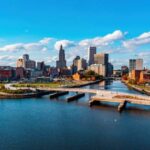 New! Accelerated On-line Graduate Certificate in Community Planning - The Community Planning Graduate Certificate is a fully-online program designed to equip you with core competencies in sustainable community planning. This certificate can be stacked with another in order to earn the Master of Public Administration, Master of Environmental Management, and additional URI Online programs.
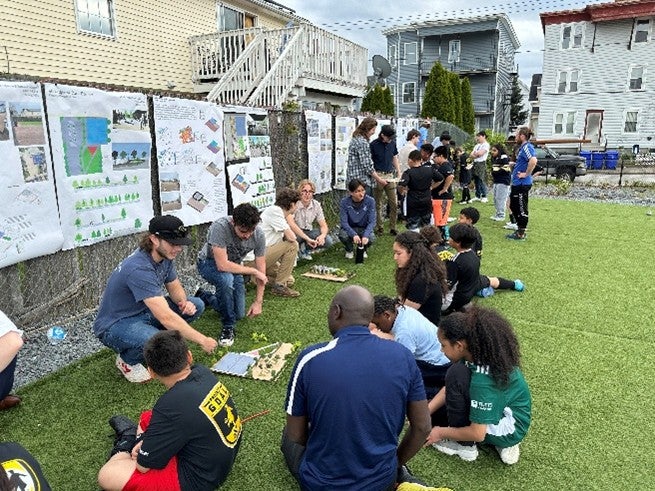
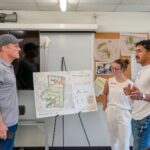 CELS Fellowship Recipients provide design support to the Flower District - Two LAR students received fellowship funding during the summer of 2025 to assist in translating community input and operational needs into a conceptual and functional site design for the Flower District's flower recycling and composting program, including the development of a welcoming and inclusive community green space.