Research Projects & Mentors
When you apply, you’ll rank your top three projects. Here’s what you can work on and who you’d work with. Don’t worry if a project sounds advanced; your mentors expect to teach you the techniques.
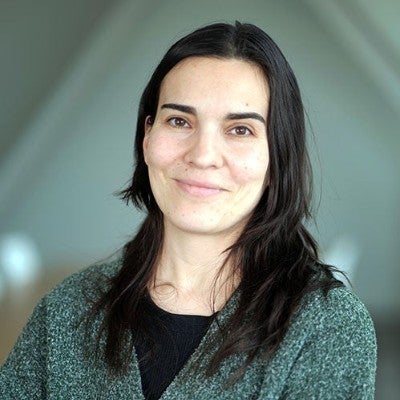
Magnetic Methods for Biofilm Removal
Dr. Irene Andreu
Chemical, Biomolecular, and Materials Engineering
Bacteria form stubborn films on medical implants that cause infections. You’ll study tiny magnetic nanoparticles and the magnetic fields that can sweep these biofilms off surfaces.
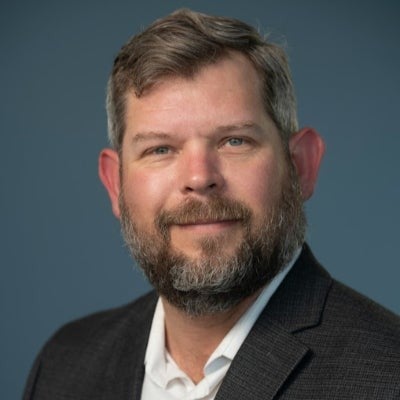
Magnetic Tracers for Next-Generation Medical Imaging
Dr. Geoffrey Bothun
Chemical, Biomolecular, and Materials Engineering
Magnetic Particle Imaging is an emerging 3D imaging technique. You’ll help design self-assembling magnetic nanoparticle clusters that produce stronger imaging signals and can be targeted to specific tissues.
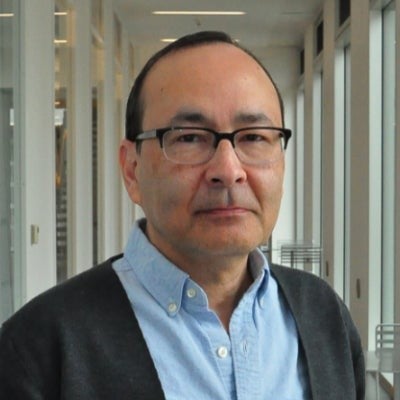
How Ribosomes Evolve in Extreme Bacteria
Dr. Steven Gregory
Cell and Molecular Biology
The ribosome is the cell’s protein-building machine. You’ll use molecular genetics to engineer a heat-loving bacterium and explore how its ribosomes adapt to extreme environments.

Synthetic Tissues for Testing Drug Delivery
Dr. Ryan Poling-Skutvik
Chemical, Biomolecular, and Materials Engineering and Physics
Testing new drug carriers usually means slow, costly animal studies. You’ll help create synthetic tissue stand-ins that let researchers evaluate drug delivery in hours using microscopy.
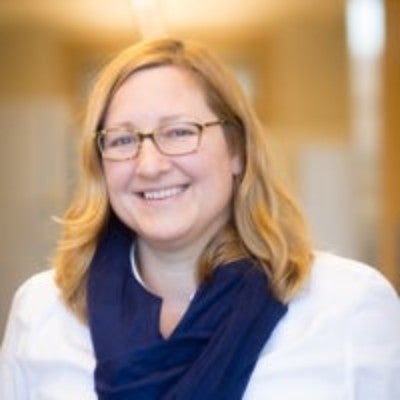
Brain and Spinal Mechanisms in Cerebral Palsy
Dr. Katharina Quinlan
Biomedical and Pharmaceutical Sciences and Neuroscience
Using an animal model of cerebral palsy, you’ll learn behavioral testing, immunohistochemistry, microscopy, and other techniques to study how developmental injury affects movement and pain.
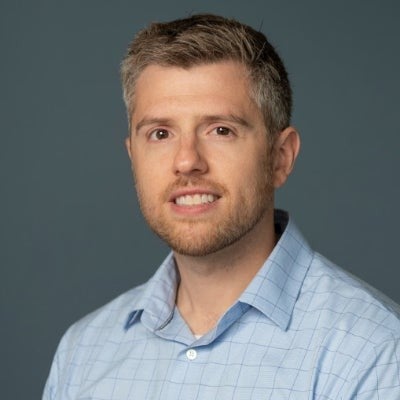
Tuning Glowing Nanotube Sensors Inside Cells
Dr. Daniel Roxbury
Chemical, Biomolecular, and Materials Engineering
Carbon nanotubes that glow in near-infrared light can act as sensors inside living cells. You’ll use advanced microscopy to track how they build up in cells over time and find the dose that gives a clear signal without overloading the cell.
Designing Lipid Nanoparticles for Drug Delivery
Dr. Ting-Yu Shih
Biomedical and Pharmaceutical Sciences and Chemical, Biomolecular, and Materials Engineering
Lipid nanoparticles deliver modern nucleic acid drugs. You’ll formulate them from different lipid combinations and measure how composition changes their size, stability, and ability to enter cells.
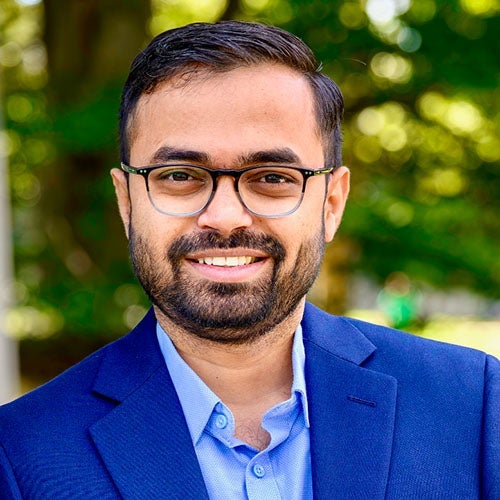
A Wearable Band to Track Swelling
Dr. Dhaval Solanki
Electrical, Computer, and Biomedical Engineering
Swelling from fluid buildup (edema) is hard to catch between clinic visits. You’ll help build and test a soft, wireless sensor band that tracks fluid changes around the ankle, from assembling circuits and programming a microcontroller to analyzing the data.
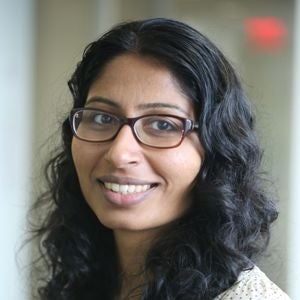
Why Some Brain Regions Are More Vulnerable to Disease
Dr. Merina Varghese
Biomedical and Pharmaceutical Sciences and Neuroscience
Some brain regions break down earlier than others in aging and Alzheimer’s disease. You’ll use spatial imaging tools that map proteins and metabolites directly in brain tissue to help find what makes certain neurons more vulnerable.
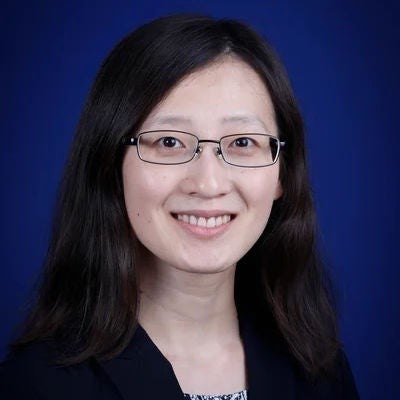
Tiny Shelled Organisms as Coastal Health Indicators
Dr. Ying Zhang
Cell and Molecular Biology
Foraminifera are single-celled organisms with shells, and their populations signal how healthy a coastline is. You’ll sample Rhode Island coastal sediments and identify foraminifera using microscopy and DNA techniques such as extraction, PCR, and sequencing.
Ranking your projects
Your application asks you to rank your top three projects. You don’t need experience in any of these areas to be a strong match.
BBB@URI is supported by the National Science Foundation under Grant No. 2548324.