
In alignment with the College of Nursing’s Mission, Vision, and Values, the University of Rhode Island College of Nursing Simulation Program (URICONSP) supports the development of evidence-based knowledge, clinical skills, and professional competencies essential for delivering high-quality, patient-centered care in complex healthcare environments.
Simulation experiences within URICONSP are grounded in nationally recognized best practices, including the International Nursing Association for Clinical Simulation and Learning (INACSL) Healthcare Simulation Standards of Best Practice™ and guidelines from the Society for Simulation in Healthcare (SSH). The program is committed to continuous quality improvement through ongoing evaluation, faculty development, and evidence-informed innovation.
Faculty and simulation education staff demonstrate a sustained commitment to excellence by designing rigorous, inclusive, and ethically grounded learning experiences. All simulation activities align with the Healthcare Simulationist Code of Ethics and promote respect for diversity, collaboration, and professional integrity.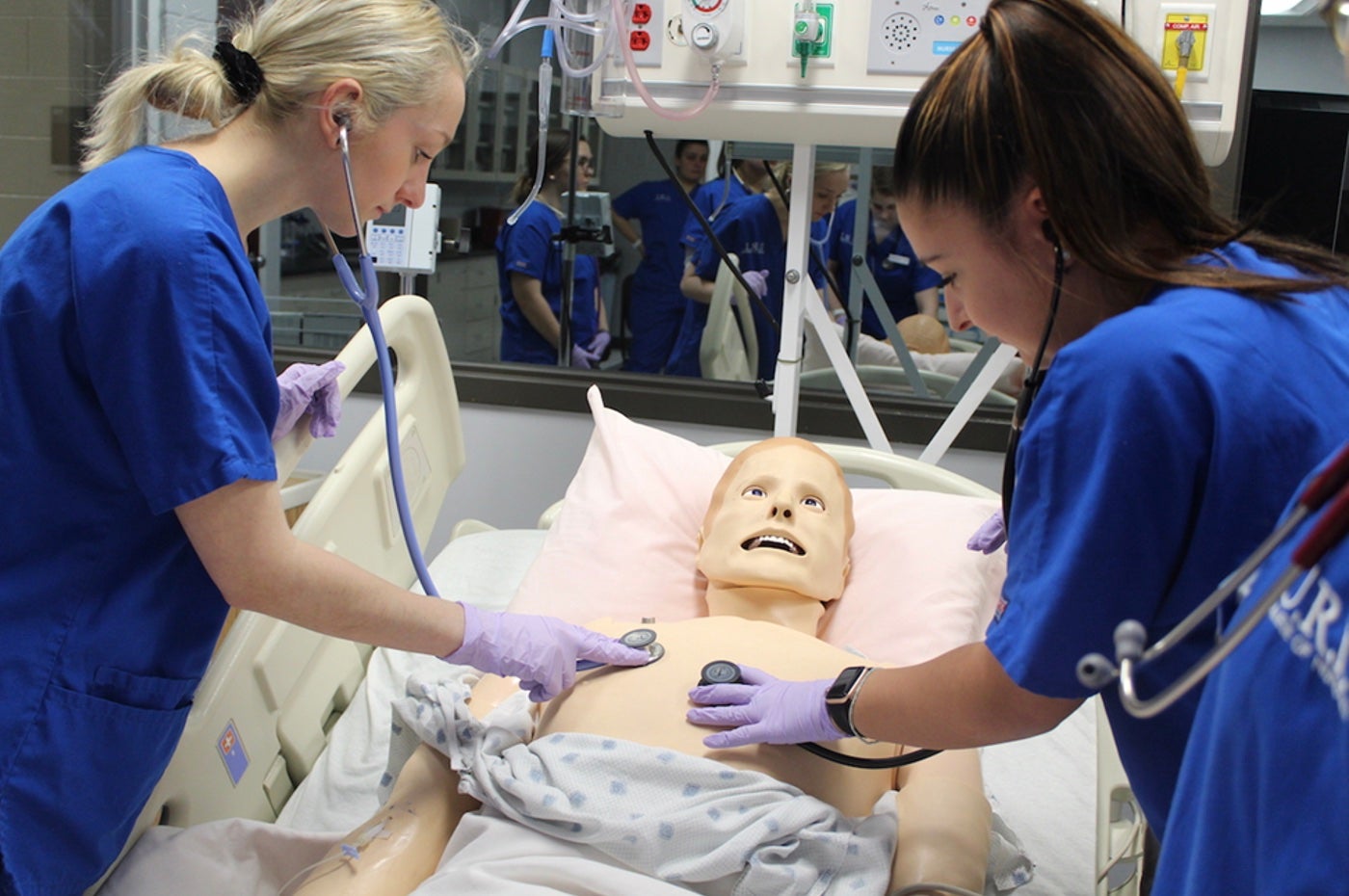
Why Simulation?
Simulation is an essential pedagogical strategy in nursing education that prepares students to manage real patient situations within a safe, supportive learning environment. Through simulation, students can practice clinical decision-making, communication, teamwork, and technical skills without risk to patient safety.
Simulation also supports caring theory by fostering authentic nurse–patient interactions, empathy, reflective practice, and ethical reasoning. Guided debriefing encourages students to explore the human dimensions of care, reinforcing values such as compassion, presence, and respect for patient dignity.
Importantly, simulation allows students to experience clinical adversity—including high-stress scenarios, uncertainty, and complex patient needs—within a psychologically safe environment. Exposure to these challenges, paired with structured reflection and faculty support, helps students build resilience, confidence, and emotional readiness for clinical practice. By learning to navigate difficulty safely, students develop adaptive coping strategies that support long-term professional well-being and safe patient care.
What Is Simulation?
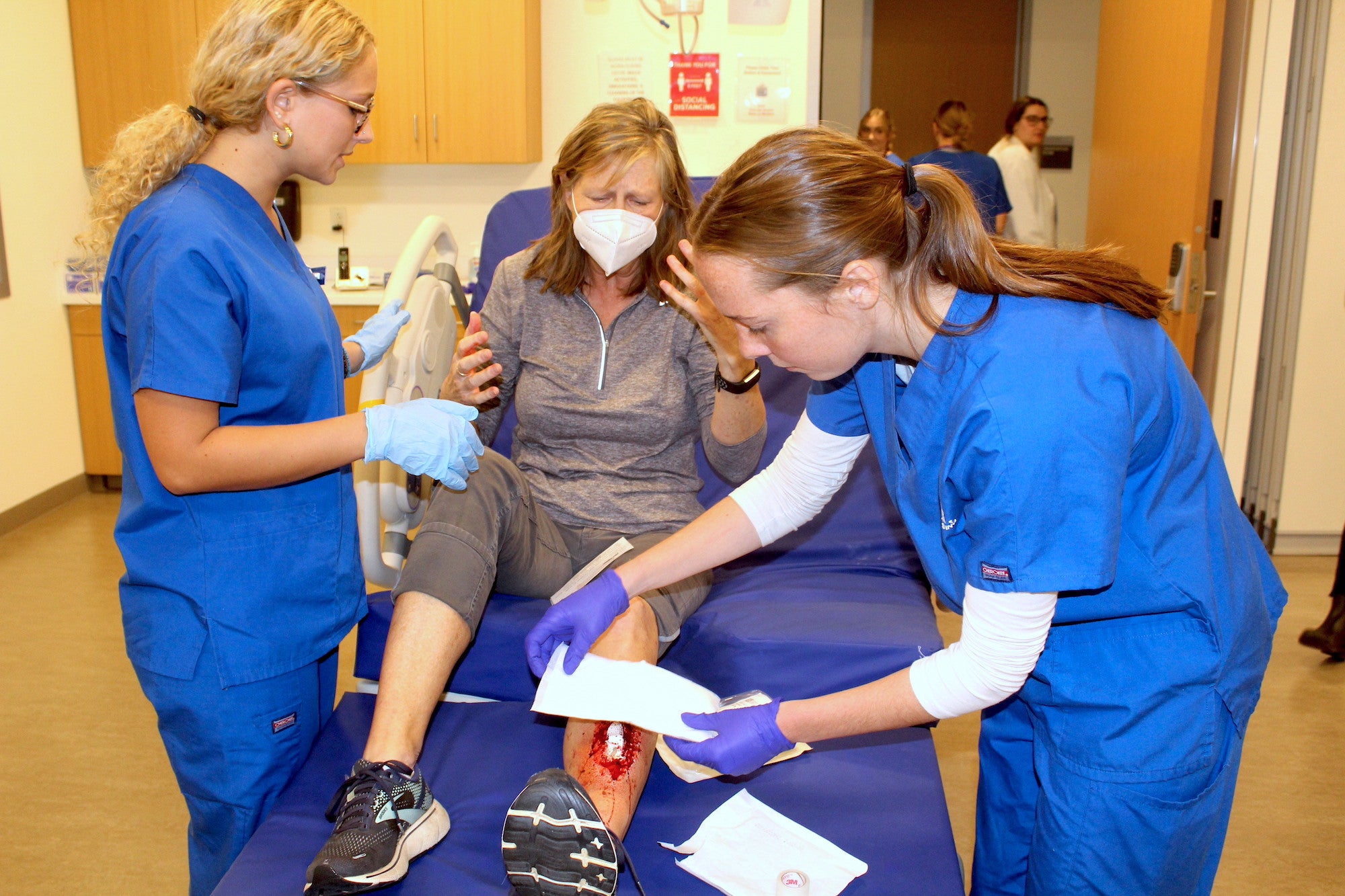
Simulation in nursing education involves the use of structured scenarios and instructional strategies that replicate real-life patient care situations in a controlled setting. These experiences may include high-fidelity manikins, standardized patients, task trainers, and immersive clinical environments.
Simulation bridges the gap between classroom learning and clinical practice by enabling students to apply theory, practice clinical reasoning, and evaluate outcomes in real time. Students actively engage in patient assessment, intervention, communication, and teamwork while receiving immediate feedback and opportunities for reflection.
Each simulation experience is facilitated by trained simulation faculty or staff with expertise in simulation pedagogy. Simulation education staff collaborate closely with nursing faculty to intentionally integrate simulation throughout the curriculum, supporting students’ progression toward clinical competence.
URICONSP aligns simulation experiences with established educational frameworks, including:
- NLN Jeffries Simulation Theory
- Quality and Safety Education for Nurses (QSEN) competencies
- American Association of Colleges of Nursing (AACN, 2021) Essentials for pre-licensure
Simulation Facilities
Simulation learning experiences take place in the College of Nursing Simulation Centers (CNSC) on the Kingston campus and at the Rhode Island Nursing Education Center (RINEC). These state-of-the-art facilities support a wide range of instructional methodologies designed to promote student-centered, nursing, and interprofessional education.
Accreditation
The Society for Simulation in Healthcare (SSH), Council for Accreditation of Healthcare Simulation Programs, has granted accreditation to the URI College of Nursing Simulation Program in the area of Teaching/Education.
For more information, email simulation@etal.uri.edu.