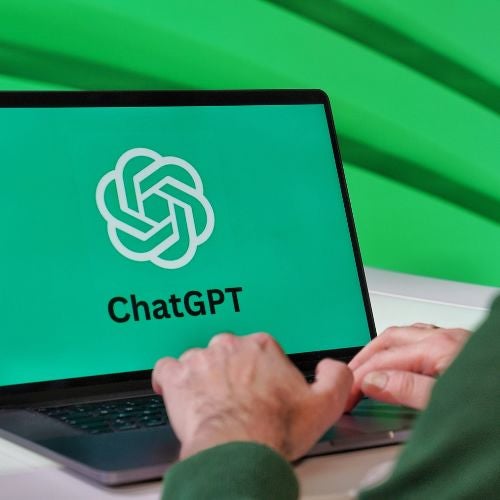
People are using ChatGPT to plan purchases, compare products, research services, and make everyday decisions. Now, businesses have another way to reach those individuals.
With the introduction of ChatGPT ads, small businesses can promote their products and services while potential customers are exploring their options through AI-powered conversations.
But does that mean every business should start advertising on ChatGPT? Not necessarily.
Like any new marketing platform, ChatGPT advertising comes with opportunities, costs, risks, and questions worth considering. Before adding a line item for ChatGPT ads to your marketing budget, it’s helpful to understand how it works and what you can realistically expect to receive.
To help Rhode Island small business owners navigate this emerging advertising platform, we connected with Trish White, RISBDC Marketing Specialist, about the opportunities, potential challenges, and costs of ChatGPT Ads. She shares practical advice on reaching the right customers, setting realistic budgets, and determining whether this new advertising channel is worth the investment.
What are ChatGPT ads?
ChatGPT ads are paid advertisements that appear separately from ChatGPT’s responses.
For example, someone might ask ChatGPT for help comparing home renovation companies. A relevant advertisement for building materials or home improvement services could appear below the response.
Unlike traditional search advertising, which largely revolves around search queries and keywords, ChatGPT ads consider the context and intent of a conversation when determining which advertisements may be relevant.
According to OpenAI’s October 2026 announcement, more than 100,000 advertisers had run campaigns on the platform since its launch. ChatGPT advertising has already expanded to 89 countries, so the audience of individuals a business can reach is large–and growing as more people turn to ChatGPT and other AI tools for answers to simple and complex questions.
Ads currently appear for eligible users on ChatGPT’s Free and Go plans, while paid subscriptions such as Plus, Pro, Business, and Enterprise remain ad-free.
There’s also an important distinction: paying for an advertisement doesn’t mean ChatGPT will recommend your business in its answers.
OpenAI states that advertisements are clearly labeled and separate from ChatGPT’s responses. Advertisers can’t pay to change what ChatGPT says or which businesses it independently recommends.
How is ChatGPT advertising different from Google or Facebook ads?
Think about how customers use different platforms.
Someone searching Google for “plumber in Providence” may already know exactly what service they need.
Someone scrolling Facebook or Instagram might discover a business through an interesting photo, video, or promotion.
ChatGPT introduces another situation. A potential customer may still be figuring out what they need.
For example, someone might ask:
- What’s the best way to prepare my house for winter?
- What should I look for when hiring a local accountant?
- How much should I budget for a small wedding?
- What equipment do I need to start a landscaping business?
These conversations can reveal useful context about what someone is trying to accomplish. OpenAI explains that its advertising system considers conversational intent, ad content, landing pages, and other relevance signals to select advertisements.
Trish sees potential for local businesses to reach customers while they’re actively exploring their options. For example, someone planning a weekend in Newport might discover a local restaurant through a relevant advertisement. A homeowner researching renovations could come across a nearby contractor.
For small businesses, this creates another opportunity to reach people who have already expressed interest in a particular product or service. However, it’s a developing platform. OpenAI says ChatGPT Ads is still in beta and doesn’t yet have established performance benchmarks across industries or campaign types.
Can Rhode Island small businesses advertise on ChatGPT?
Yes. Self-service advertising is available to eligible U.S.-based businesses through OpenAI Ads Manager. Businesses can create campaigns, set budgets, develop advertisements, and monitor performance through the platform.
Current advertising options include impression-based and click-based billing, along with campaign objectives focused on reach, traffic, and supported conversions. Advertisers can also review metrics such as impressions, clicks, spending, click-through rates, and conversions.
Before getting started, review Ads Manager availability, supported targeting options, and the latest advertising requirements. For businesses serving a limited geographic area, like many Rhode Island-based businesses, that’s especially important. A campaign that reaches people outside your service area may generate attention without producing useful leads. Don’t waste your limited resources targeting customers who are too far away to hire you and your team.
Start with the customer, not the advertisement
One of the biggest mistakes small businesses can make with a new marketing platform is rushing to create ads before deciding who they’re trying to reach.
Start by asking:
- Who’s our ideal customer?
- What problems lead them to look for our services?
- What questions do they ask before buying?
- Why would they choose us over another business?
- What can we offer them to make our ad irresistible?
- What action do we want them to take?
For example, a Rhode Island catering company might want to reach people planning small weddings, family gatherings, or corporate events.
Instead of using a generic advertisement such as “The Best Catering Services,” it could focus on a specific need:
“Planning a small Rhode Island wedding? Explore catering options designed for intimate celebrations.”
This gives potential customers a clearer reason to explore the business. OpenAI’s advertising guidance recommends clear, benefit-focused messaging that explains what a business offers, who it’s for, and when it may be useful.
The same principle applies to most marketing: the clearer your message, the easier it is for customers to understand whether you’re a good fit.
Make sure your website is ready
Getting someone to click an advertisement is only the beginning.
What happens when they reach your website?
If the advertisement promises wedding catering but links to a homepage that doesn’t explain packages, pricing, or how to request a quote, the visitor may leave.
Before running ChatGPT ads, review your landing pages.
Make sure they:
- Clearly explain your products or services.
- Match the promise made in your advertisement.
- Work well on mobile devices.
- Include current contact information.
- Make the next step easy to take.
- Provide accurate information about pricing, availability, or service areas.
OpenAI also recommends sending visitors to the most relevant product or service page rather than automatically directing everyone to a general homepage.
A clear advertisement paired with a confusing website is still a missed opportunity–and a waste of your budget.
Test your budget before committing more money
Because ChatGPT advertising is still relatively new, it’s worth approaching your first campaign as a test. Set your expectation to gather data from the ad, not necessarily sales or leads. Improving the performance of your ad may take several months.
To start, choose one product, service, or customer group you want to reach. Then decide how much you’re comfortable spending to evaluate the results.
Before launching, establish what success looks like.
Are you hoping to generate:
- More website visits?
- Questions about your product or service?
- Contact form submissions?
- Appointment requests?
- Product purchases?
- Qualified inquiries?
Track more than clicks. A campaign that brings 500 visitors but no meaningful inquiries may be less useful than one that brings 100 visitors and several potential customers. However, at first your campaign may not generate any inquiries or leads at all. Give your ads time to run before you experiment with different visuals or messaging.
Trish recommends treating ChatGPT advertising as a controlled experiment rather than an ongoing expense.
For businesses that can afford to test the platform, she suggests considering $150–$300 for an introductory experiment or $300–$500 for a larger test. These are suggested spending ranges, not guaranteed campaign costs or platform minimums. Advertisers should check ChatGPT’s current minimum daily spending requirements before setting a budget.
For many startups and solopreneurs, even $300 represents a significant investment. White recommends prioritizing free and low-cost marketing opportunities when advertising budgets are limited.
Above all, businesses should measure actual inquiries, appointments, and sales before committing additional money.
Don’t abandon the marketing that’s already working
New marketing technology gets attention quickly. That doesn’t mean every business needs to adopt it immediately. If your current Google Ads, referrals, email marketing, or local networking efforts are consistently bringing in customers, keep supporting those channels.
It’s also worth strengthening no-cost marketing assets, such as your Google Business Profile and your website. Optimize your local SEO, ensure your website is mobile friendly, publish FAQs to your site, and solicit customer reviews. These tactics cost time, but don’t require a direct cash output.
ChatGPT advertising may become another useful tool in your marketing mix, but it shouldn’t automatically replace strategies that already produce results.
It’s also worth remembering that paid ChatGPT ads and appearing organically in AI-generated answers are different things. Buying an advertisement doesn’t guarantee your business will appear in ChatGPT’s regular recommendations.
Your website, business information, customer experience, and overall marketing strategy still matter.
Is ChatGPT advertising right for your business?
Before investing, ask yourself four questions:
- Are our customers likely to use ChatGPT when researching products or services like ours?
- Can we clearly explain why our offering is relevant to those customers?
- Do we have a website or landing page ready to turn interest into action?
- Can we afford to test the platform without taking resources away from proven marketing efforts?
If you answered yes to all four, ChatGPT ads may be worth exploring.
If you’re unsure, that’s okay too. It’s better for you to understand a new platform before spending money on it.
Final thoughts: Stay curious, but be strategic
ChatGPT Ads offer an interesting new opportunity, but that doesn’t mean they’re the right investment for every small business.
As Trish White explains, affordability, audience targeting, and measurable returns should guide the decision.
“The best marketing isn’t always the newest technology. It’s what consistently brings customers through the door.”
Before spending money on a new advertising platform, consider speaking with an RISBDC advisor. White and the RISBDC team can help Rhode Island business owners evaluate marketing opportunities, strengthen their digital presence, and develop practical strategies that align with their goals and budgets.
RISBDC offers no-cost, confidential business advising to help entrepreneurs make informed decisions about growing their businesses.
Request a meeting with an RISBDC advisor
Call us at (401) 874-7232
Learn more at risbdc.org