
The Rhode Island Water Resources Center (RIWRC) is the state’s federally authorized water resources research institute, based in the URI College of Engineering.
Mission and vision
Mission: Promote and disseminate technological, scientific, outreach and educational innovations to protect the state’s water resources and infrastructure for our residents and the environment.
Vision: The RIWRC is the catalyst for water resources innovation for Rhode Island in technology, management, education and communications.
A national network
RIWRC is one of 54 Water Resources Research Institutes, one at the land-grant university in each state, the District of Columbia and three U.S. territories. The institutes were created by Congress through the Water Resources Research Act of 1984 and are administered by the U.S. Geological Survey (USGS).
Each year, USGS annual base grants under section 104(b) of the act help each institute plan and conduct applied, peer-reviewed research on water issues specific to its state. In Rhode Island, we use these funds for freshwater and drinking water research on the challenges the state faces. See how our grants work.
Water challenges are changing
Shifting climate patterns, emerging contaminants such as PFAS and microplastics, and social and economic change put pressure on Rhode Island’s water. Meeting these challenges takes researchers, agencies, utilities and residents working together.
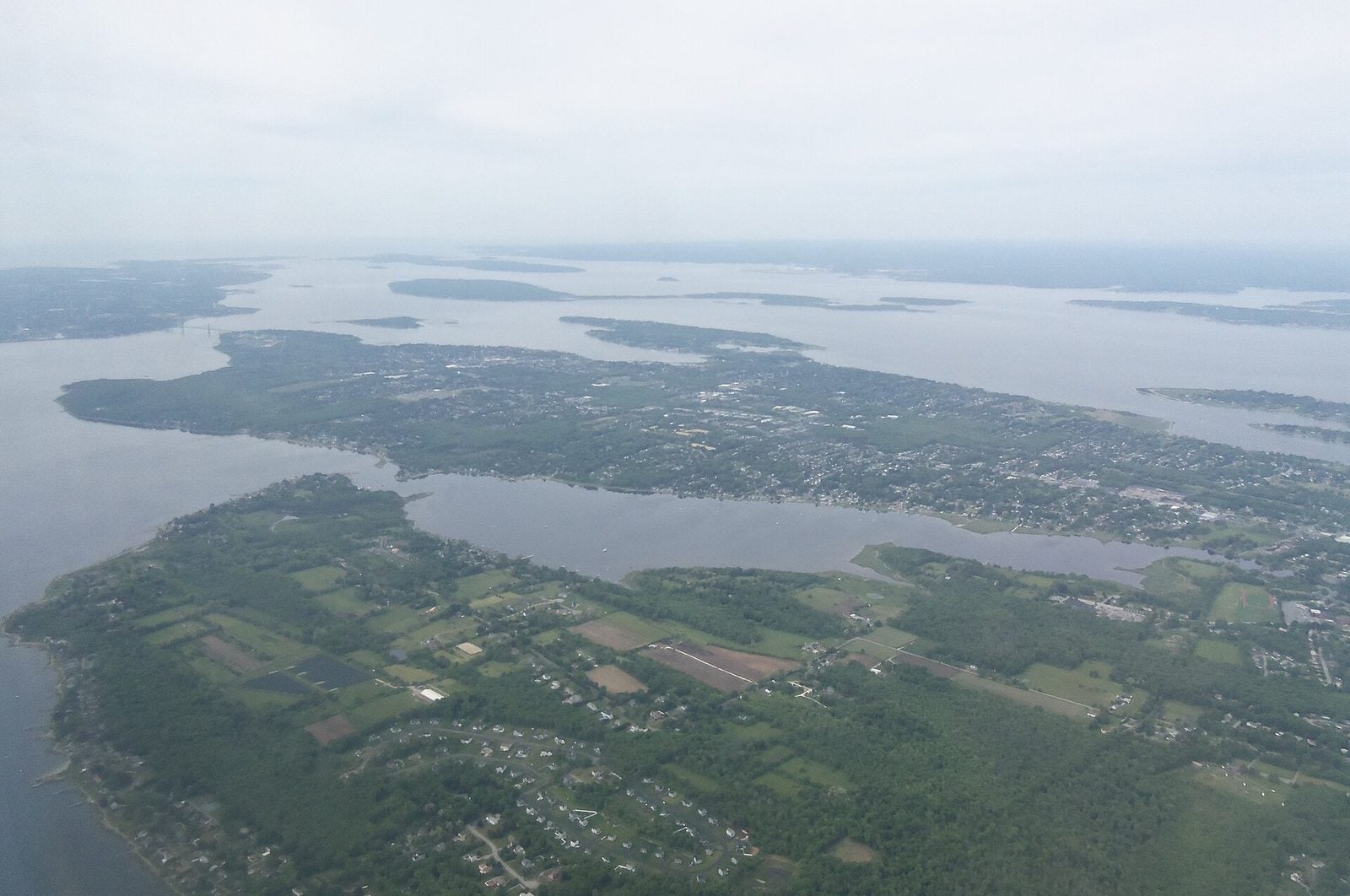
Narragansett Bay. Photo: Jstuby, public domain (CC0). Courtesy of Wikimedia Commons.

Who we serve
- Academic institutions and researchers across Rhode Island
- K-12 schools
- State agencies
- Nonprofit organizations
- Water utilities, the water industry and professional organizations
Broadening participation
We encourage proposals from principal investigators from underrepresented or underserved groups and institutions, such as Historically Black Colleges and Universities, Minority Serving Institutions, Tribal Colleges and Universities, Hispanic Serving Institutions and community colleges.
We especially welcome proposals with a strong diversity, equity, inclusion and justice component that intersects with water research, and projects that address issues in historically marginalized or underserved communities.
How we are organized
Director
Leads the center, manages the annual 104(b) competition and represents Rhode Island in the national network.
Executive Committee
URI faculty who review pre-proposals and check that projects address Rhode Island water problems.
Advisory Board
Leaders from state government, industry and partner institutions who decide which proposals are funded.
Meet our director, committee and advisory board
Partners
Our work depends on federal, state, academic and utility partners.
U.S. Geological Survey, Water Resources Research Act Program
Administers the national institute program and funds the annual 104(b) grants. The USGS New England Water Science Center monitors Rhode Island’s streams and groundwater.
National Institutes for Water Resources
The network of the 54 state and territorial water resources research institutes, coordinated through the USGS Water Resources Research Act Program.
Rhode Island Department of Health, Center for Drinking Water Quality
Oversees public drinking water in Rhode Island and serves on our advisory board.
Narragansett Bay Estuary Program
Works to protect and restore Narragansett Bay and its watersheds and serves on our advisory board.
Rhode Island Water Resources Board
Collaborator on research into water availability in the Chipuxet River watershed.
Providence Water
Matching partner on research to reduce trihalomethanes in the Providence drinking water system.
Rhode Island Sea Grant
Shares research on plastic pollution in Narragansett Bay through its Coastal State Discussion Series.
URI College of Engineering
Our home college, and home of the Engineering Analytical Core.