
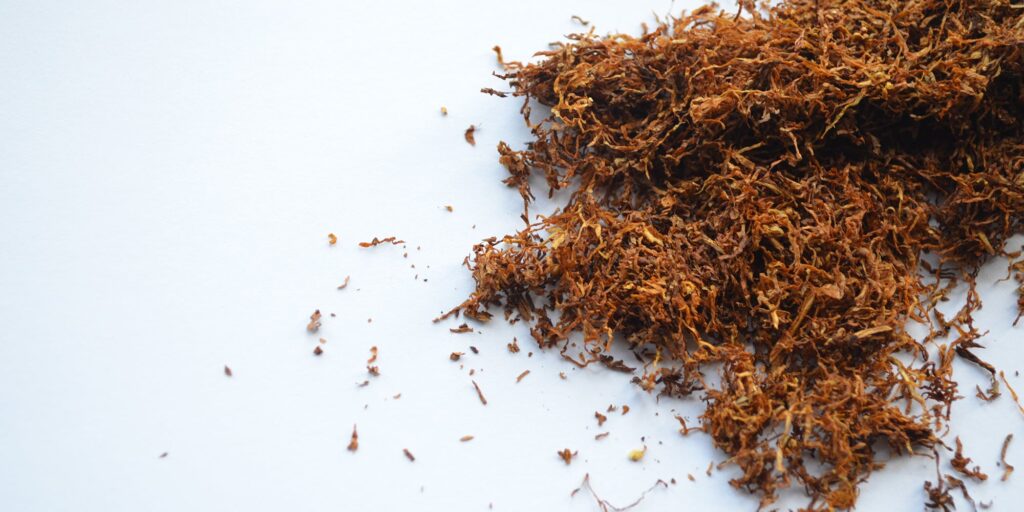
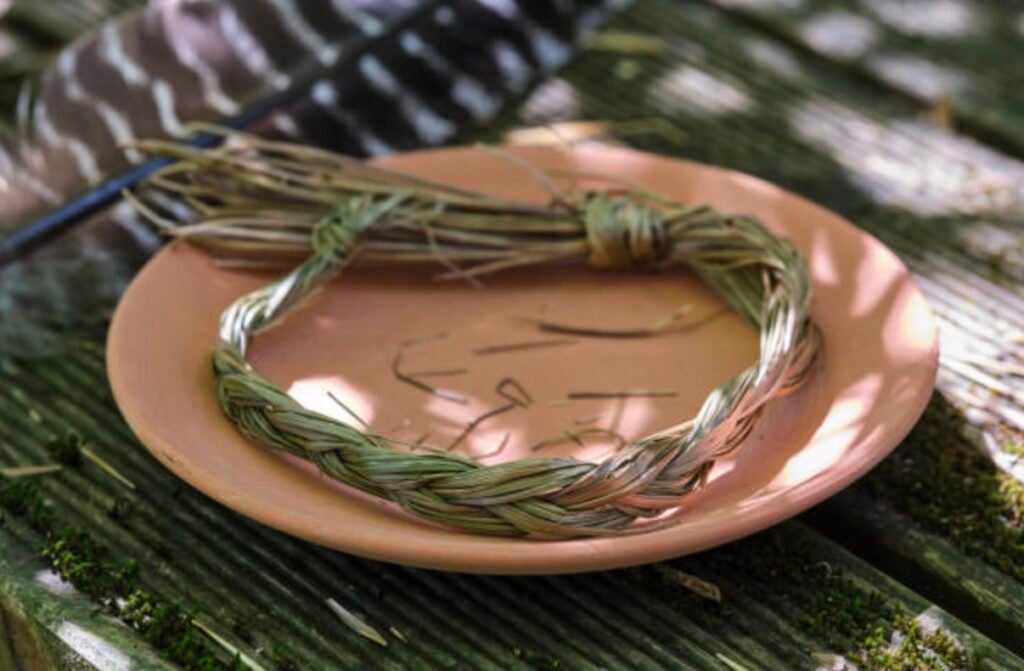
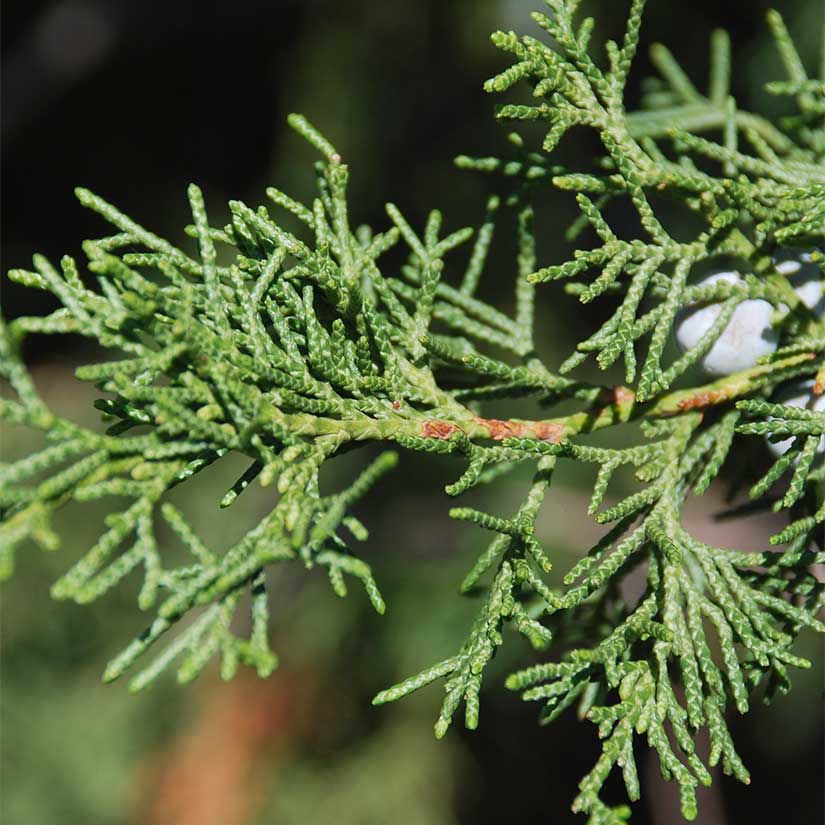
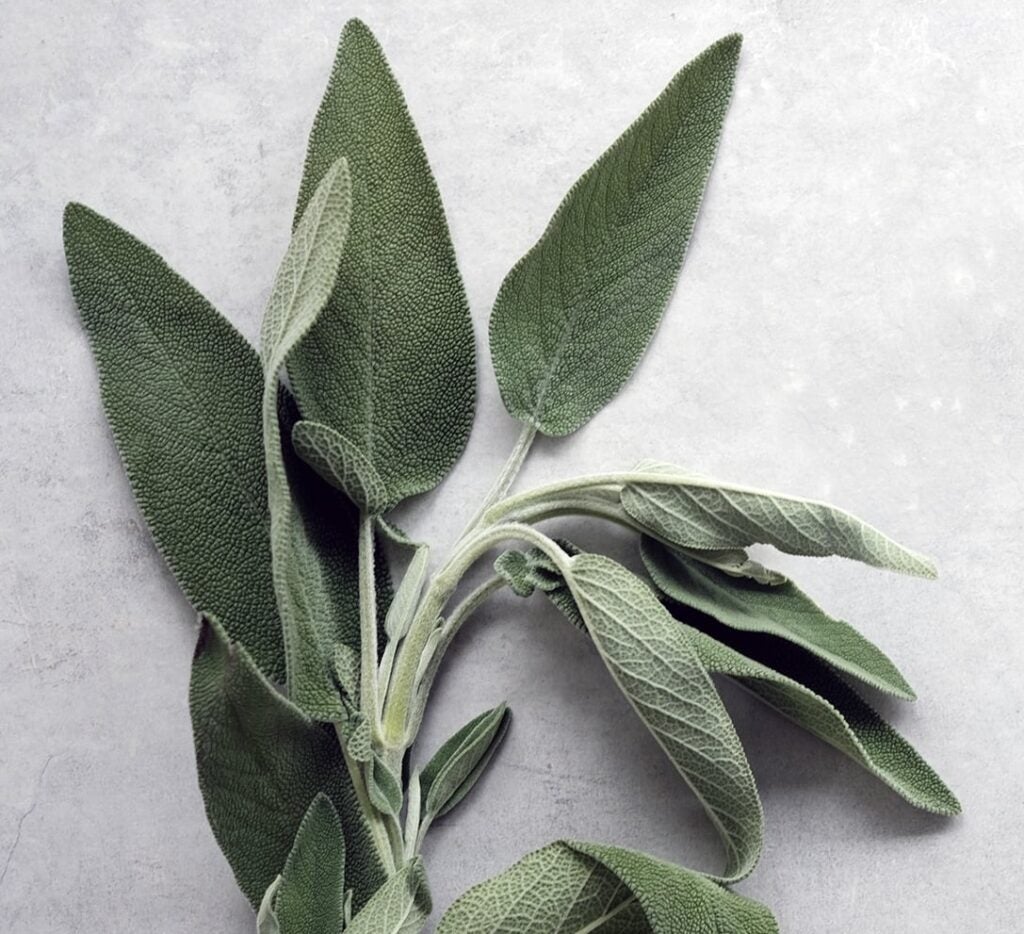
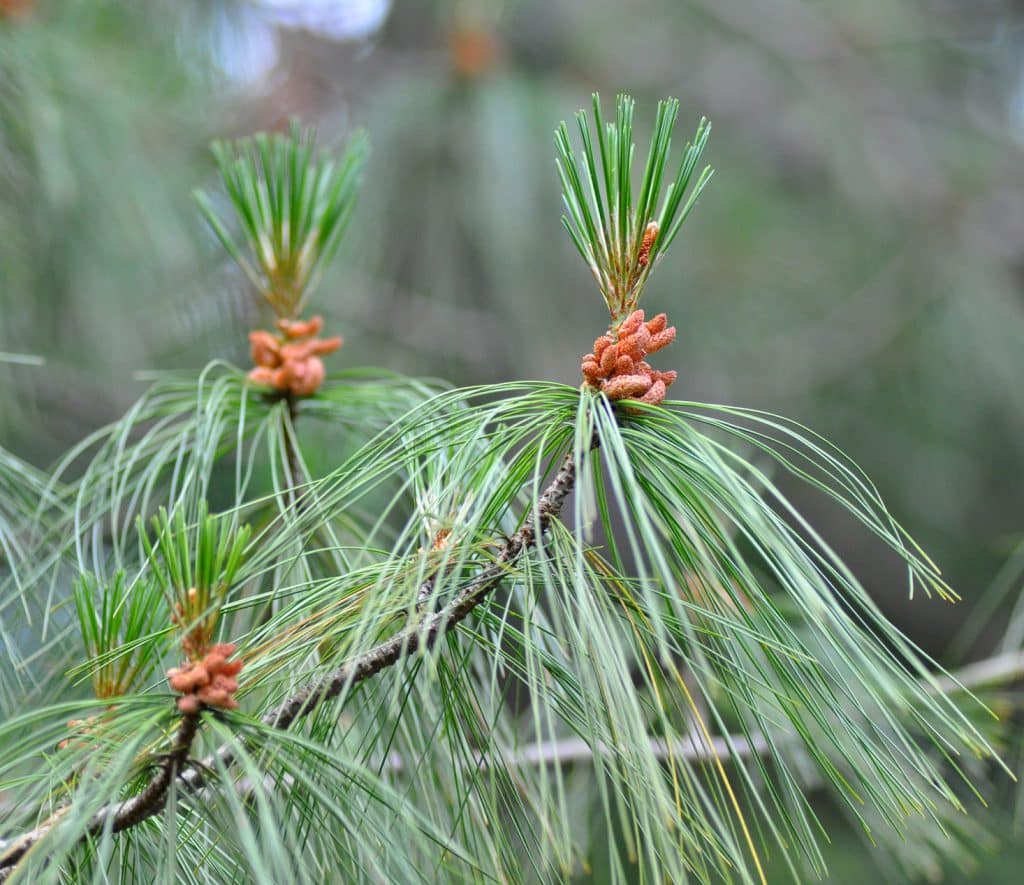
The Four Sacred Medicines are medicinal plants that have been considered essential to Indigenous medicine and ceremony. They typically refer to tobacco, sweetgrass, cedar, and white sage, though Narragansett Tribal communities originally used white pine in place of white sage. However, the use of white sage was eventually adopted into ceremonial use by the tribe.
Audio Transcript
When we are learning about our traditional medicines, people often bring up the Four Sacred Medicines for Native communities, and that is very much based on inter-tribal community. So, there are medicines that most often show up in traditional ceremony, in those ceremonies that we do cross-culturally, because every tribe was very unique. They had access to certain specific medicines, but the four sacred medicines are the ones that show up most often in ceremony, and that’s white sage, sweetgrass, tobacco and cedar. Based on where you live, there are so many different varieties of sage, and different types of sage that will be used. So, there’s sage; there’s also different varieties of sweetgrass; there’s tobacco that was grown in our traditional gardens; and then there’s cedars, and again, different varieties based on where you were located.
For Narragansett tribal communities, we had traditionally access to sweetgrass, tobacco that was grown in our gardens, and cedar – eastern red cedar, northern white cedar – but we didn’t have sage – that’s not an Indigenous plant to our region, so that’s one that has been adopted into use. We utilize sage now in ceremony. A lot of our families are made up of many different tribal nations. So we have adopted in the practice, in the use of that.
Next: Eastern Red Cedar