
Cooperative Extension provides non-formal education and learning opportunities to people throughout the United States—serving farmers and rural communities as well as those in urban areas. In Rhode Island, we strive to reach every corner of the state, delivering science-based information through our educational programs and services to help people make informed decisions in their daily lives.
To highlight the breadth of our impact, we’ve developed a new ArcGIS map dashboard showcasing the many programs offered by URI Cooperative Extension and the number of cities and towns we reach. Check it out!
Learn more about Cooperative Extension and our history to discover how we’ve been making a difference for generations.
News and Stories
 URI picks up awards for three programs as part of statewide EC4 climate funding initiative November 9, 2026 - Cooperative Extension, College of Education, and Rhode Island Sea Grant receive statewide funding to help move Rhode Island’s climate and energy priorities forward
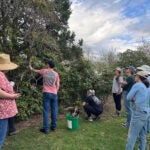 Plant lovers welcome: Register for URI Home Horticulture Certificate program by Dec. 1 November 2, 2026 - Three-month virtual program offers enriching plant education for plant lovers
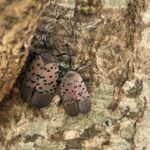 Getting a jump on the spotted lanternfly October 14, 2026 - Now is the time to tackle pesky pest’s egg masses before they hatch
 Mentors / sponsors welcomed to host, work with URI students in Cooperative Extension Fellows programs September 8, 2026 - Initiatives focused on agriculture, food systems, energy and environmental management invite community partners
Events

URI Cooperative Extension
Kathleen M. Mallon Outreach Center
3 East Alumni Avenue
Kingston, RI 02881
p: 401-874-2900
coopext@uri.edu
We are committed to Justice, Equity, Diversity and Inclusion (JEDI)
Learn moreThe University of Rhode Island occupies the traditional stomping ground of the Narragansett Nation and the Niantic People. We honor and respect the enduring and continuing relationship between the Indigenous people and this land by teaching and learning more about their history and present-day communities, and by becoming stewards of the land we, too, inhabit.