
Long before the first voter casts a ballot, conducting an election involves numerous planning choices: estimating turnout, determining the number of machines needed, allocating storage space, and calculating staff and time requirements. At EDI, we develop tools that help election officials directly address these questions using data.
The tools featured here are all publicly accessible, nonpartisan, and suitable for use in jurisdictions of any size. Collectively, they embody our mission: leveraging rigorous engineering and research to improve the voting process for both officials and voters, one informed decision at a time.
Turnout Trend Analyzer (βeta)
Purpose: Analyze current election turnout within its historical context to highlight irregularities in the pattern.
Election officials enter historical turnout and participation data for various voting methods, such as by-mail and early voting, along with current election data. The tool then displays and analyzes that information against past trends.
Users: Election Officials
Partner: Partnership for Large Election Jurisdictions (PLEJ)
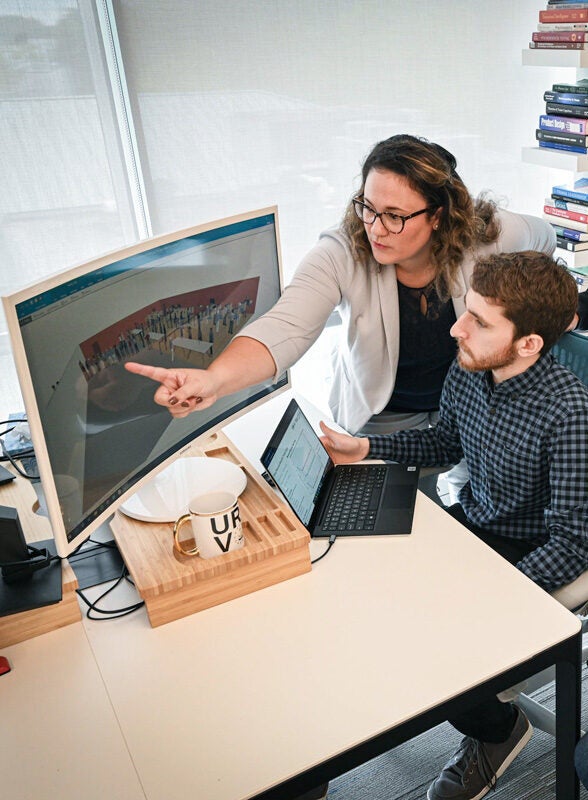
Voting Location Designer (βeta)
Purpose: Create 2D layout diagrams of in-person voting sites to support election preparation and management.
Election officials use a standard asset library to produce consistent, to-scale diagrams that clearly show voting equipment and voter movement.
Users: Election Officials
Partner: Partnership for Large Election Jurisdictions (PLEJ)
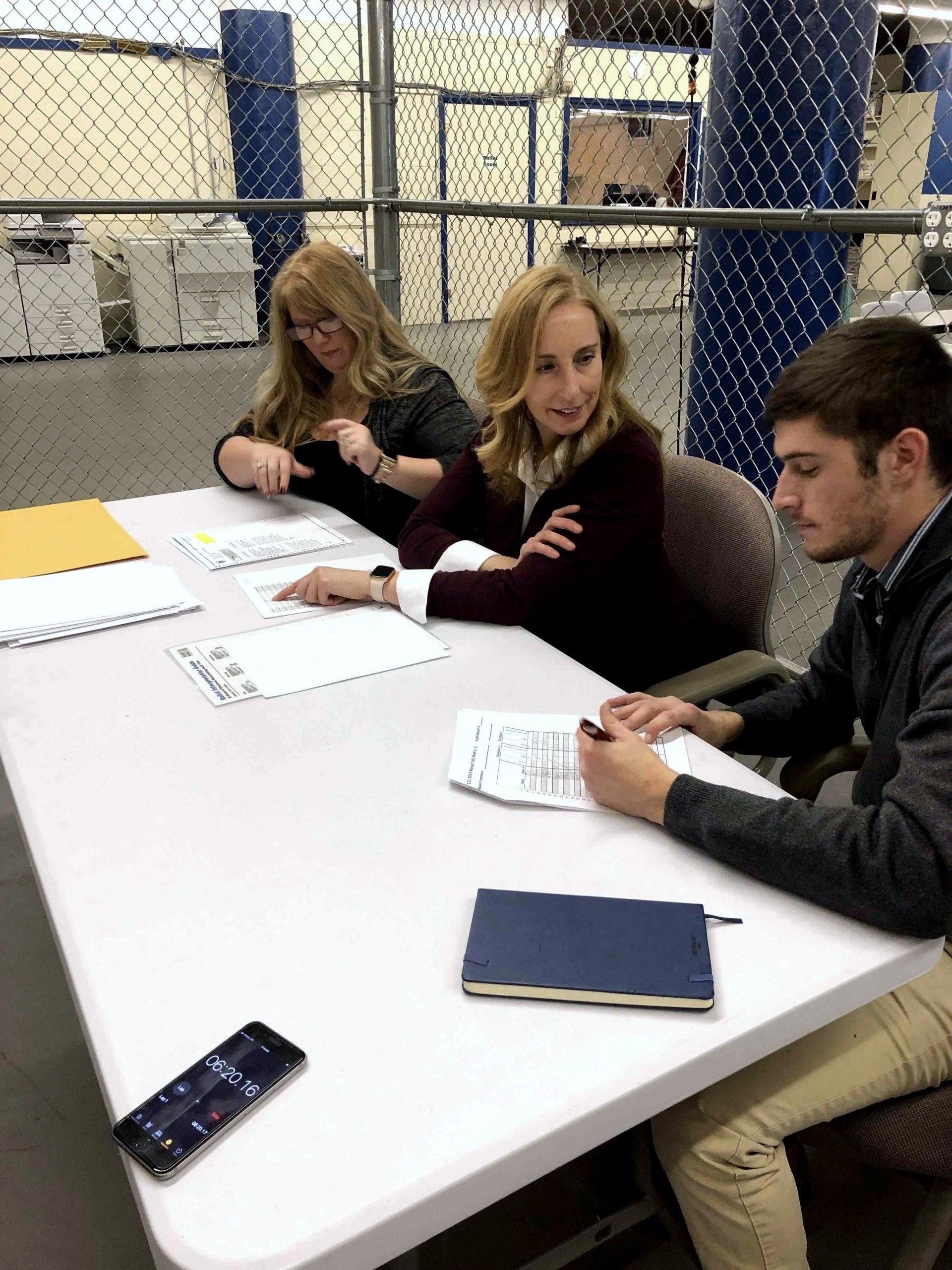
Hand Count Workload Calculator
Purpose: Estimate the resources needed for manual ballot counts, whether for initial tabulation, audits, or recounts.
Election officials enter the number of ballots, their content, and available resources such as staff or time, and the tool models the counting process to forecast the workload.
Users: Election Officials
Partner: US Election Assistance Commission (EAC)

Election Warehouse Space Estimator
Purpose: Calculate the storage space needed for voting equipment and election materials, along with the related costs.
Election officials enter details such as the number of ballots from past, current, and future elections, the types and quantities of materials to store, and their storage approach. The tool then determines the number of boxes, pallets, and shelving units required.
Users: Election Officials
Partner: Partnership for Large Election Jurisdictions (PLEJ)