EDI applies industrial and systems engineering to election administration. We call this practice civic engineering: bringing engineering rigor to the systems that make democracy work.
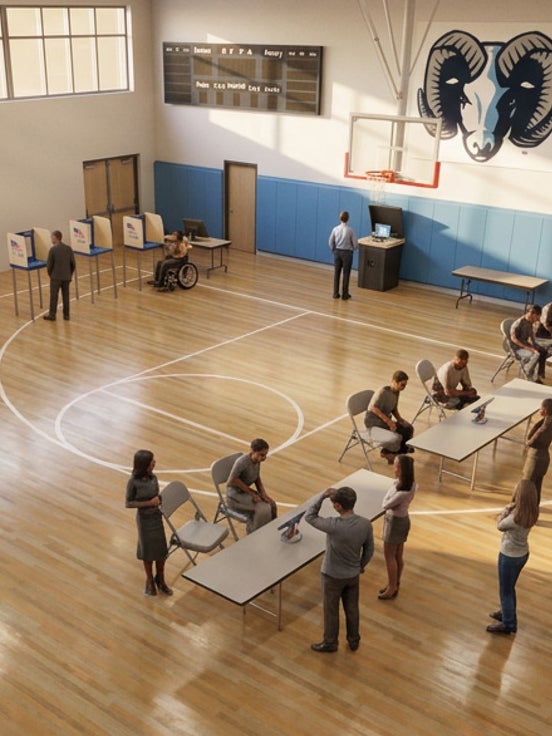
Each election is a temporary system of national importance. It is planned throughout the year, set up in polling places, processing centers, and warehouses across the country, operated over days or weeks, and then packed up and stored for the next election.
There is no margin for error and no second attempt.
The people who run these systems were once considered clerical staff. Today, they are recognized as essential workers in a field that is becoming a profession of its own, and their work deserves the same standards as any other critical operation. We collect field data at election sites, model how voters, ballots, and election workers move through each step, and help officials plan equipment, staffing, layouts, and procedures that keep voting accessible and support election workers’ well-being, from the first ballot mailed to the final count.
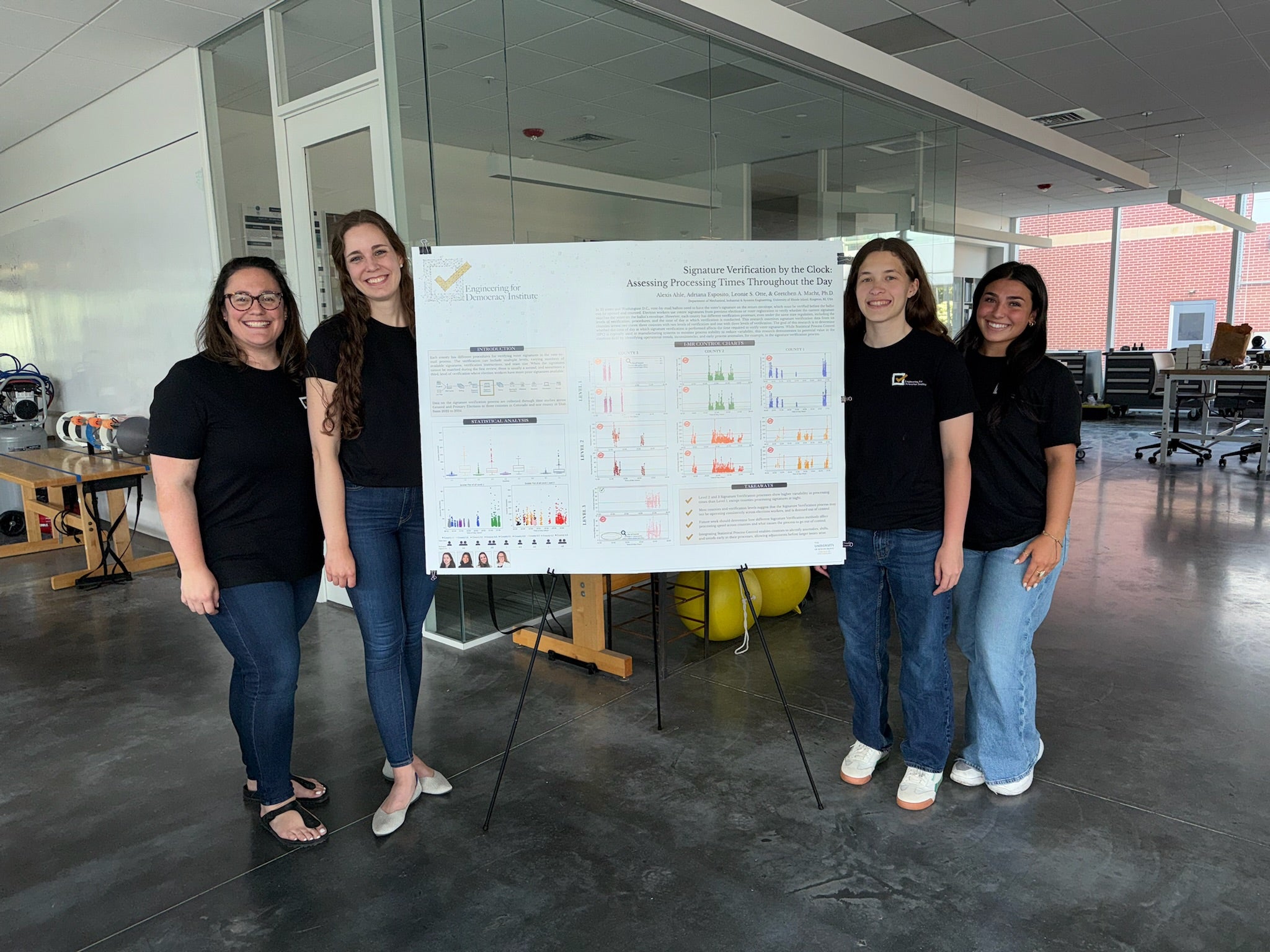
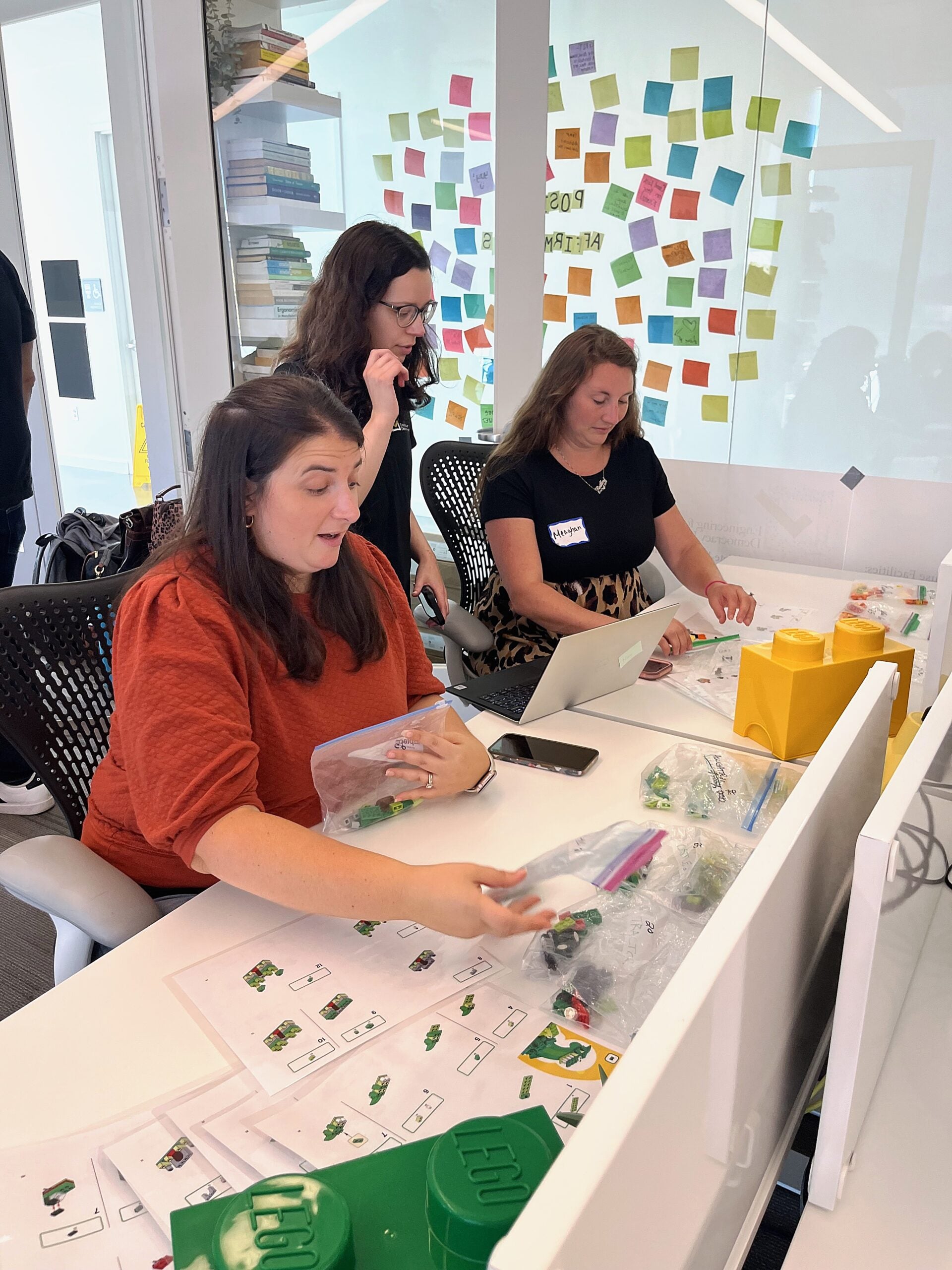
Students are at the center of this work: they collect data in the field, build the models, and co-author the research, preparing a new generation of engineers for public service. Since 2017, this work has directly supported 35 election jurisdictions in 18 states, representing more than 26 million registered voters.
Every EDI project is nonpartisan and begins with a question an election official needs answered.
Noise in Ballot Processing
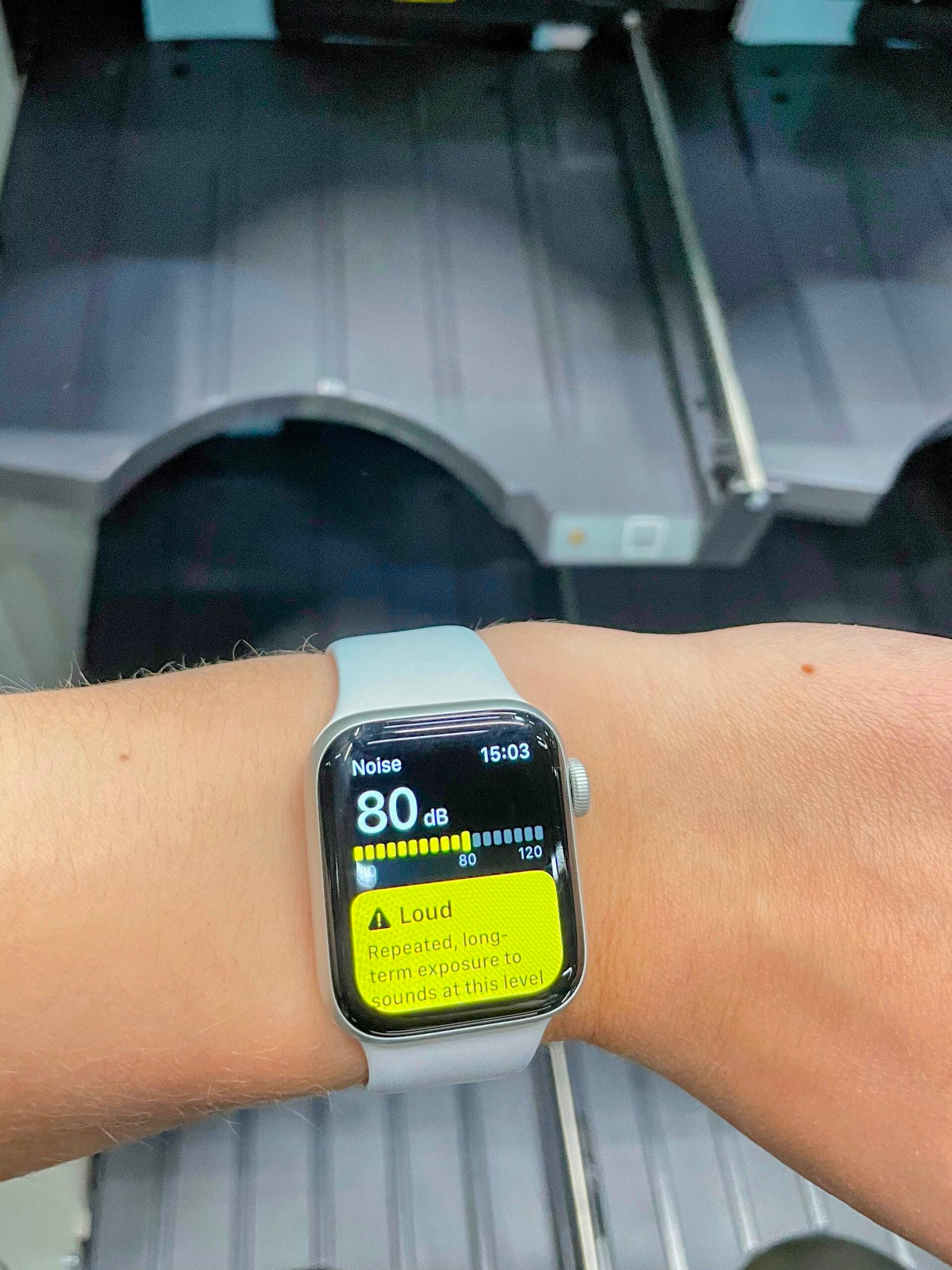
Ballot processing is going through its own industrial revolution. Work once done by hand now runs on high-speed sorters and tabulators, and some of that equipment can exceed established noise limits. If you work in vote-by-mail processing, help us understand how widespread this is. Our anonymous survey takes about 8 minutes.
ARE YOU AN ELECTION OFFICIAL? PLEASE TAKE THE SURVEY