
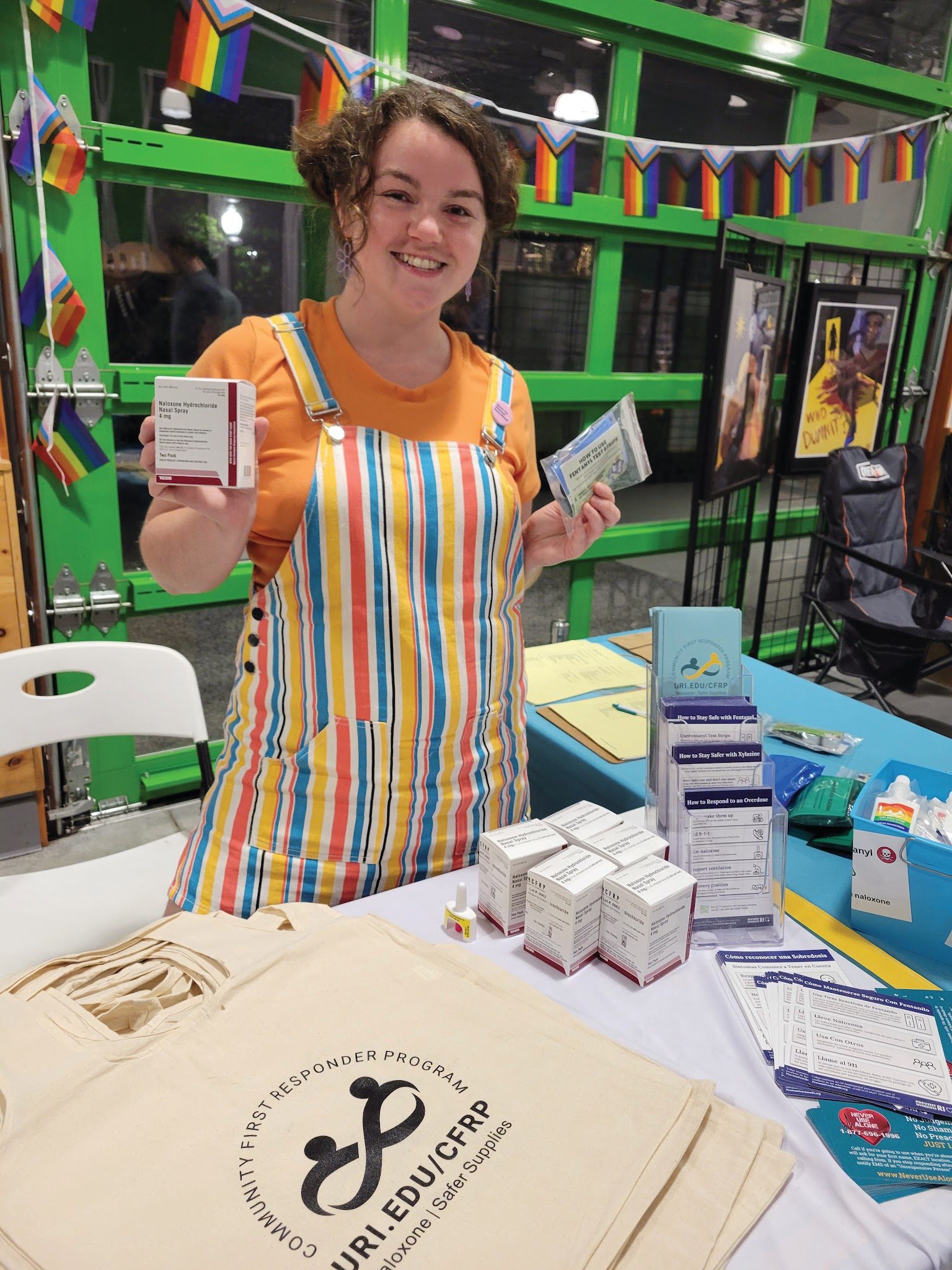
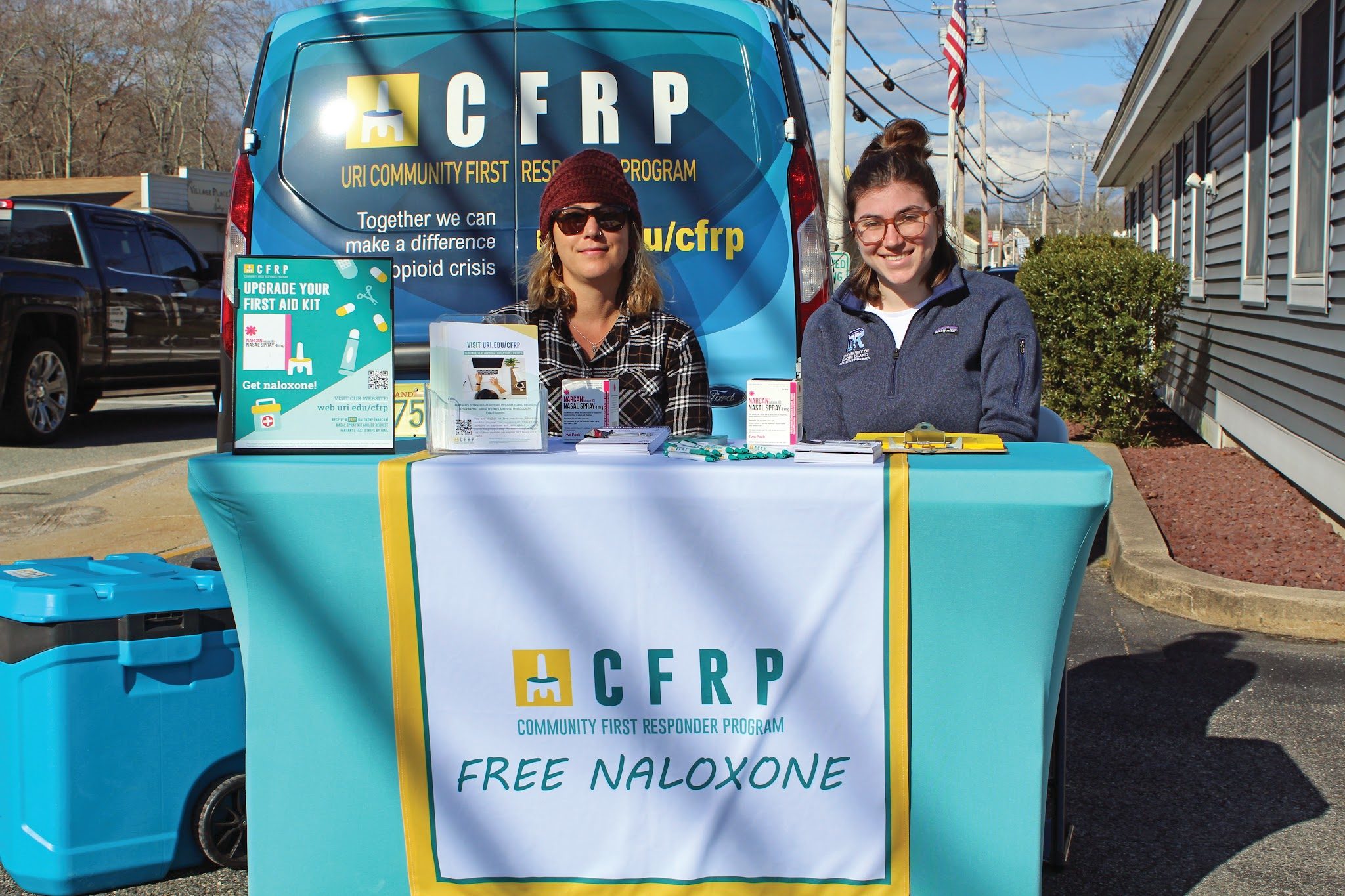
The Community First Responder Program (CFRP) is a community-based public health initiative developed through the College of Pharmacy at the University of Rhode Island to address the ongoing opioid overdose crisis through education, training, and the distribution of naloxone. The program delivers scalable, low-barrier overdose-response education through brief online modules, live seminars, and continuing education activities for healthcare professionals, equipping participants to recognize opioid overdose symptoms and administer naloxone (Narcan), a life-saving opioid antagonist.
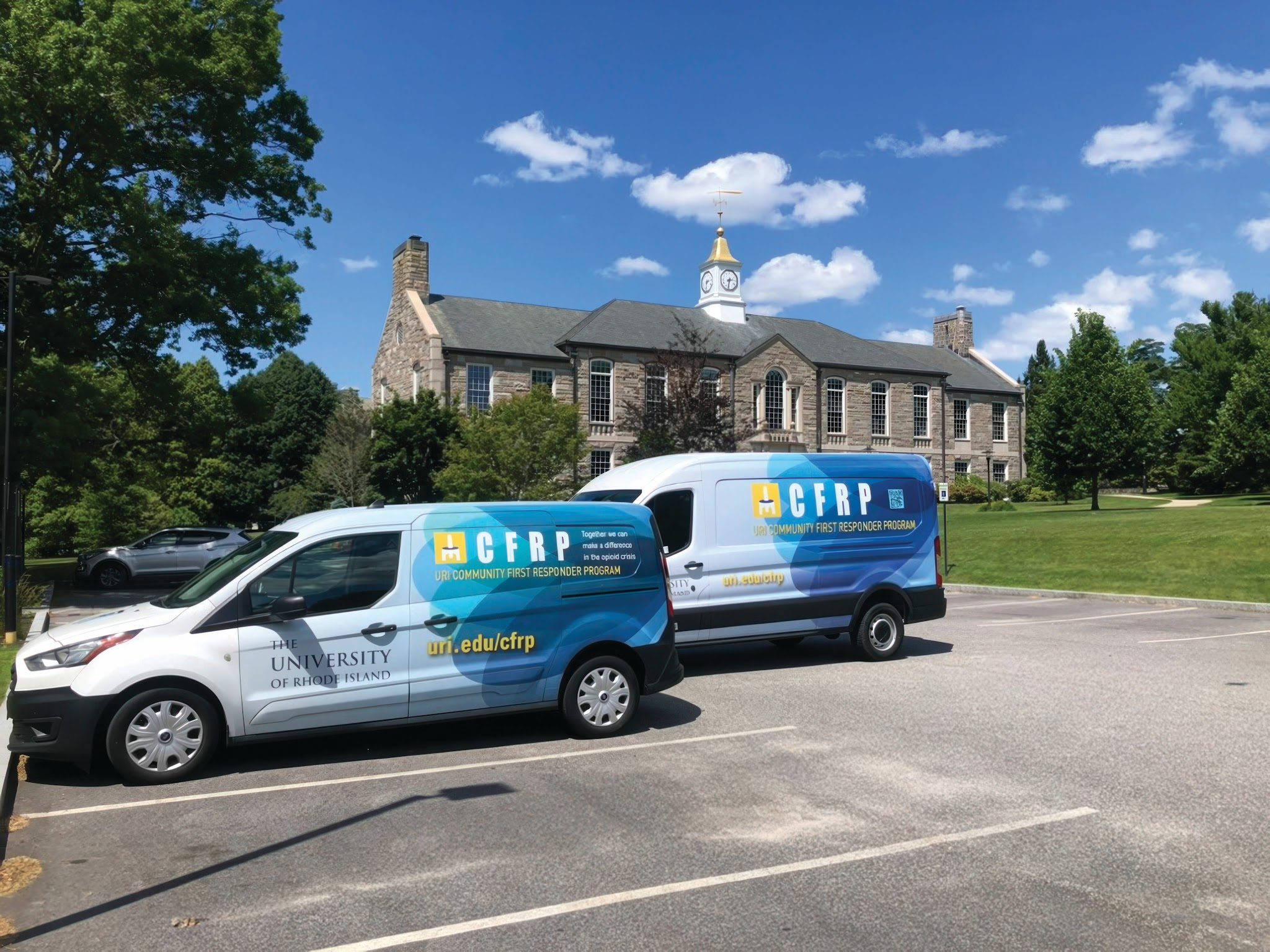
Individuals who complete the training can request free naloxone kits by mail, an innovative distribution model that expands overdose-response capacity beyond traditional healthcare settings, reaching individuals, families, and community organizations throughout Rhode Island and the broader New England region. To date, CFRP has partnered with more than 100 community organizations to distribute over 200,000 naloxone kits.
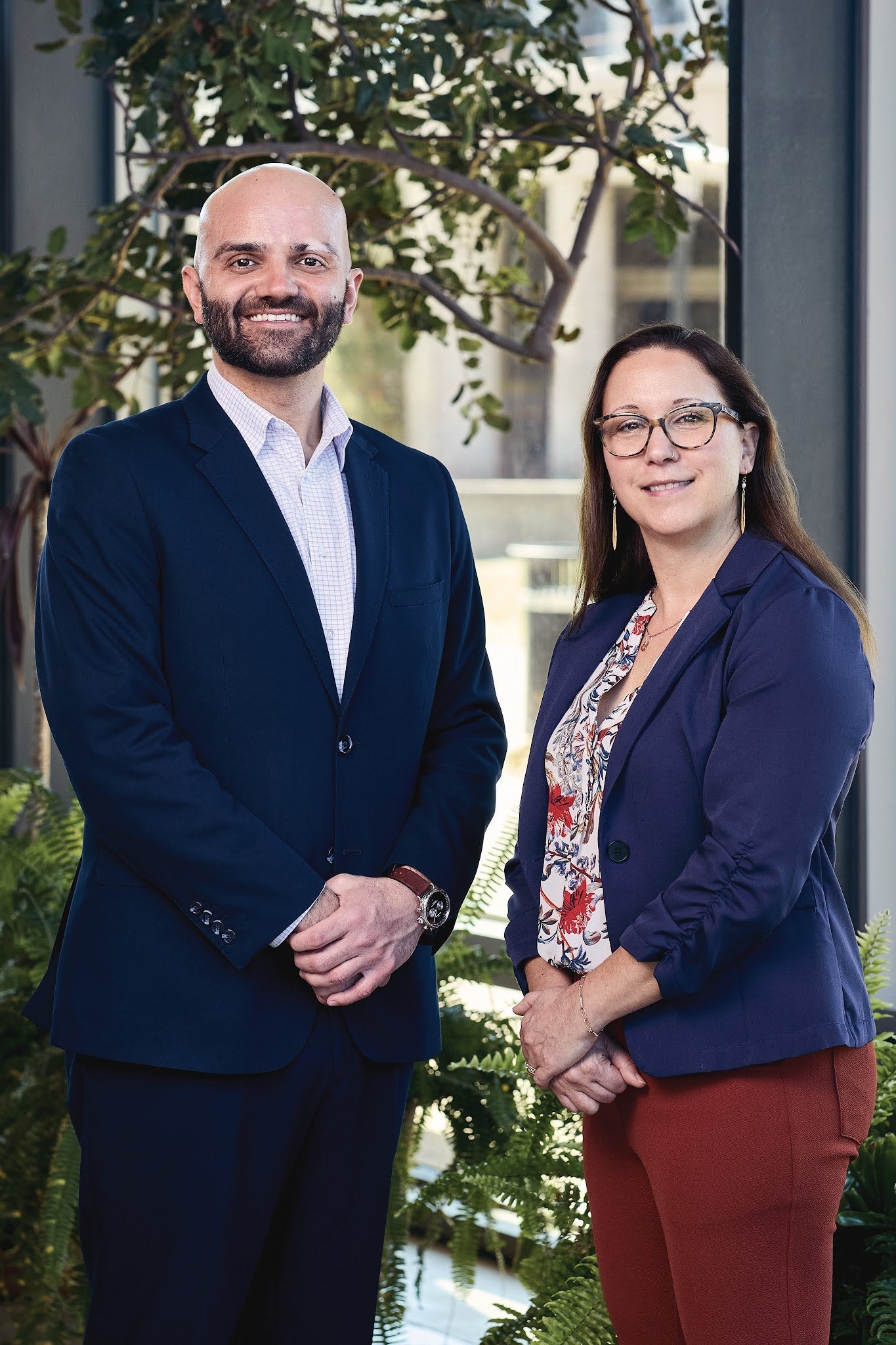
The program is led by Anita Jacobson, Pharm.D., a clinical professor in the URI College of Pharmacy who provides strategic direction and oversees program development. The operational team includes Catherine Ahern, MSW (Program Manager), Tammy Whan, BS, CPhT (Pharmacy Technician II), and Brad Thibodeaux, BA, CPhT (Program Coordinator), who collectively manage training delivery, outreach initiatives, logistics, and naloxone distribution.
“We need to invest in taking care of patients before things are broken, instead of fixing things when people already feel sick, sad or defeated.”Virginia Lemay, Pharm.D.
CFRP is supported through a combination of public funding, foundation grants, and institutional partnerships. Core support includes funding from the Rhode Island Department of Health as well as federal grants from the Substance Abuse and Mental Health Services Administration that support regional overdose-response training efforts. Additional philanthropic support, including grants from the Rhode Island Foundation, enables large-scale procurement and distribution of naloxone kits and overdose prevention supplies.
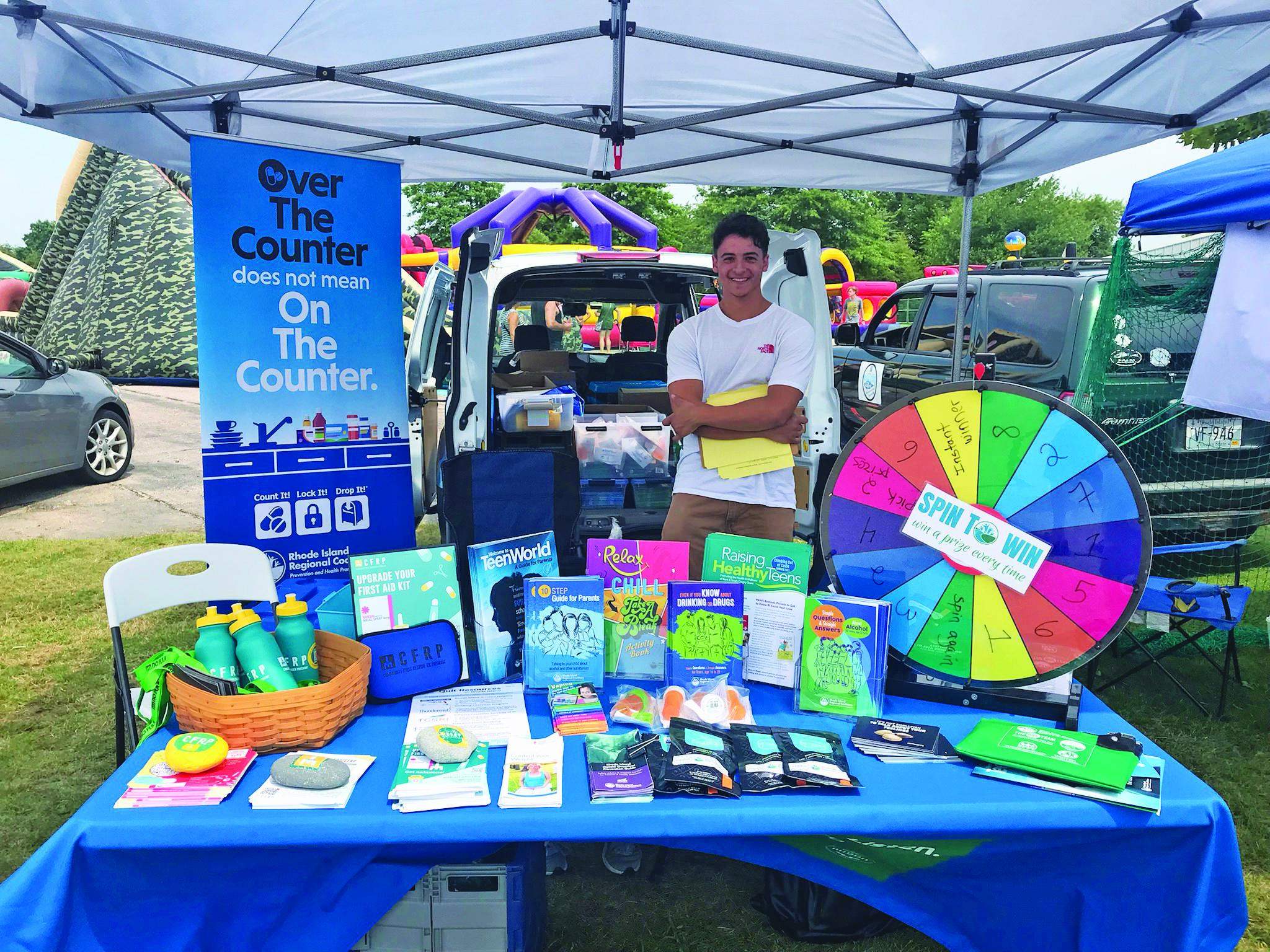
By combining accessible education, harm-reduction resources, and cross-institutional collaboration, the Community First Responder Program represents a scalable and replicable public health model aimed at mitigating the impact of the opioid epidemic through community empowerment and evidence-based intervention. The program plays a critical role in expanding access to naloxone and reducing opioid-related morbidity and mortality across New England.
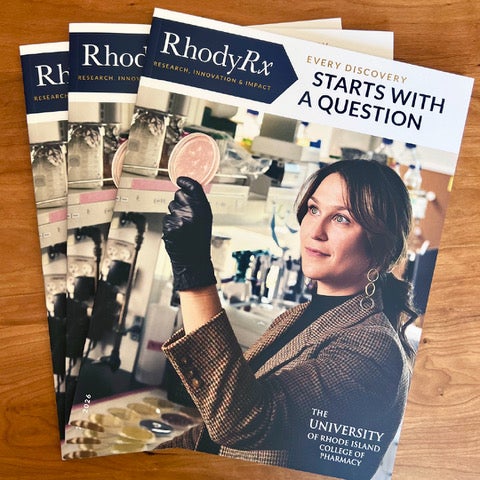
RhodyRx – Research, Innovation & Impact
We have some exciting news… the newest issue of RhodyRx is here!
VIew the Full report