
We have some exciting news… the newest issue of RhodyRx is here!
We designed this issue around one simple idea: every discovery starts with a question. And if you’re a part of URI College of Pharmacy, you know that’s where everything begins. We want our students to be curious enough to ask what’s next and willing to go after the answers.
Inside, you’ll see how our students and faculty are working side by side to take on some of today’s biggest health challenges. From Alzheimer’s and cancer to infectious disease, environmental health, and artificial intelligence, this is research that’s shaping the future of care in real time.
The best part is who’s behind some of that work. It’s important to us that our students aren’t just sitting in lectures. We want to see them in the lab, contributing to real discoveries, asking their own questions, and starting to understand the impact they can have long before they graduate. You can see that in action in this issue of RhodyRx.
We often say college isn’t just about preparing for a career, and this is a tangible way to see that. It’s about becoming part of something bigger. Here, you’re part of a community driven by curiosity, collaboration, and a shared goal of improving lives.
If you’ve ever wondered what it looks like to learn by doing, this is it.
 A Message from the Dean - A Message from the Dean At the University of Rhode Island College of Pharmacy, we believe that when passionate people come together around a shared purpose, they can change the future of health care. Every day across our labs, clinics, and classrooms, our faculty and students are working to tackle some of the most pressing […]
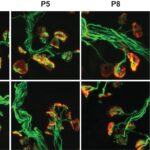 Proprioception Study Could Unlock Treatments for Spastic Cerebral Palsy - When one thinks of sensation, most often what comes to mind are the different sensations felt on the skin: heat, cold, rough textures, soft fabrics, or pain. But there’s more to sensation than the feelings people experience; human bodies are also constantly sensing their position in space by detecting the degree to which muscles are […]
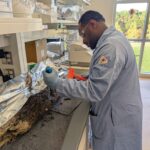 Symbiotic Marine Bacteria May Be Key to New Antibiotic - Scientists around the world are exploring natural environments in search of novel treatments for drug-resistant infections. At the University of Rhode Island, Bailey Miller, Ph.D., assistant professor, is investigating marine symbiotic bacteria as a promising source of new therapeutics. Symbionts are organisms that live closely with another organism, often in a mutually beneficial relationship. Miller’s […]
 Targeting Pancreatic Cancer with Genetically Engineered Bacteria - Cancers are masters of disguise that can evade the immune system, growing undetected while wreaking havoc on the body. However, a new approach using oncolytic bacteria – bacteria that target and destroy cancer cells – may offer a way to expose and attack these tumors. When oncolytic bacteria are introduced into a tumor, the immune […]
 Understanding Cancer Through DNA Damage and Repair - Understanding Cancer Through DNA Damage and Repair Bongsup Cho and Deyu Li study how DNA damage and repair shape cancer risk and mutation patterns At the University of Rhode Island, Bongsup Cho, Ph.D., professor, and Deyu Li, Ph.D., associate professor, lead a collaborative research program focused on how chemical damage to DNA contributes to cancer. […]
 URI Neuroscientist Explores Retinal Scanning to Detect Early-Stage Alzheimer’s - URI Neuroscientist Explores Retinal Scanning to Detect Early-Stage Alzheimer’s URI researcher Jessica Alber is advancing retinal imaging as a low-cost, minimally invasive tool for early Alzheimer’s detection Jessica Alber, Ph.D., associate professor of biomedical and pharmaceutical sciences and George and Anne Ryan Institute for Neuroscience faculty member at the University of Rhode Island, is working […]
 Using Artificial Intelligence (AI) to Understand Chronic Kidney Disease - Using Artificial Intelligence (AI) to Understand Chronic Kidney Disease Todd Brothers uses AI to uncover patterns in kidney disease that could transform care Chronic kidney disease (CKD) affects millions of people worldwide and is a major contributor to cardiovascular complications, hospitalization and premature death. Yet the disease often develops gradually and presents differently across patients, […]
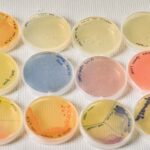 Killing the Microbe, Not the Microbiome - Whenever a patient presents with a bacterial gastrointestinal illness, the common response is to prescribe an antibiotic that kills the disease-causing bacteria, allowing the patient to recover. While effective, they often eliminate not only harmful bacteria but also beneficial microbes that support digestion and overall health. Amanda Alker, Ph.D., assistant professor at the University of […]
 Linking Metabolism to Disease, Treatment and Outcomes - Metabolic diseases, including obesity, Type 2 diabetes, metabolic dysfunction-associated steatotic liver disease (MASLD) and related cardiovascular conditions, represent one of the most urgent public health challenges of the 21st century. These disorders affect hundreds of millions of people worldwide and impose a significant clinical and economic burden. Despite advances in therapeutic options, significant gaps remain […]
 Pharmacist-Led Continuous Glucose Monitoring Helps Lower A1C, Study Shows - Continuous glucose monitoring, or CGM, is an increasingly used technology that provides real-time glucose data to help manage diabetes. Despite its growing use, insurance coverage and cost remain barriers for some patients. In a study involving researchers from the University of Rhode Island College of Pharmacy, clinic-based professional CGM (proCGM) was evaluated in a care […]
 Mapping the Brain’s Vulnerability to Disease at URI - Why certain parts of the brain are more vulnerable to aging and disease remains one of the most important questions in neuroscience. At the University of Rhode Island College of Pharmacy, Merina Varghese, assistant professor of biomedical and pharmaceutical sciences and George and Anne Ryan Institute for Neuroscience faculty member, is investigating the cellular and […]
 Pharmacist-Led Research Advancing Diabetes and Cardiovascular Care - Pharmacist-Led Research Advancing Diabetes and Cardiovascular Care Tracey Taveira advances team-based care models to improve outcomes in cardiometabolic disease Cardiovascular disease and diabetes remain leading causes of illness and death worldwide, particularly among vulnerable populations. Improving outcomes for these patients requires new care models that address both medical and social factors influencing health. At the […]
 Expecting Protection: Evaluating Vaccinations in Pregnancy - Expecting Protection: Evaluating Vaccinations in Pregnancy Virginia Lemay studies vaccine hesitancy and maternal health education Despite recommendations from leading public health organizations that many vaccines are safe and effective for pregnant women, vaccine hesitancy among this population remains high throughout the United States. Virginia Lemay, Pharm.D., clinical professor at the University of Rhode Island, is […]
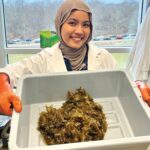 From Indonesia to Rhode Island: Exploring Seaweed’s Potential for Skin Health to Human Impact - From Indonesia to Rhode Island: Exploring Seaweed’s Potential for Skin Health to Human Impact Graduate student Chalissa Dibya Iranisha, working in Hang Ma’s lab, explores how local seaweed could advance skincare “Coming from Indonesia, I have always been fascinated by seaweeds and marine natural products. Studying seaweeds from the Rhode Island coast gives me the […]
 From Nature to Medicine: A Legacy of Discovery at URI Pharmacy - Long before modern pharmaceutical laboratories existed, many of the world’s most important medicines began in nature. Aspirin traces its origins to willow bark. Digitalis, used to treat heart conditions, comes from foxglove. Even cancer therapies such as vincristine and vinblastine were first derived from compounds found in plants. At the University of Rhode Island College […]
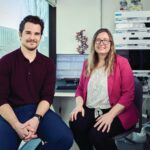 How PFAS Affect Human Health - Angela Slitt, professor and chair of the Department of Biomedical and Pharmaceutical Sciences, and Fabian Fischer, assistant professor in the Department of Biomedical and Pharmaceutical Sciences, study how PFAS (per- and polyfluoroalkyl substances), often called “forever chemicals,” affect human health. While PFAS contamination is often discussed in the context of environmental and water systems, Slitt […]
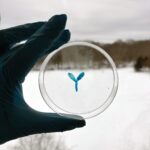 Innovation in RNA Technology, Biomaterials for Medications, and Cancer Cell Immune Targeting - Many cancer drugs are highly effective at killing cancer cells in laboratory settings, but are less effective once they enter the human body. Often, the challenge is not the drug itself; it is the effectiveness of how the drug is delivered, whether enough of the drug reaches the right place at the right time, or […]
 Expanding the Role of Pharmacists in Chronic Disease Care - As health care systems search for ways to improve outcomes and reduce costs, pharmacists are increasingly recognized as key members of patient care teams. At the University of Rhode Island, Joseph Nardolillo, Pharm.D., assistant professor, is helping advance this shift in care. A board-certified ambulatory care pharmacist, he focuses on improving medication management and chronic […]
 Expanding the Reach of HIV Prevention - Expanding the Reach of HIV Prevention Ashley Buchanan studies how social networks can amplify the impact of HIV prevention strategies Despite major advances in HIV treatment and prevention, young Black men who have sex with men continue to face one of the highest risks of HIV infection in the United States. Addressing this disparity requires […]
 Expanding the Impact of Cancer Innovation - Expanding the Impact of Cancer Innovation Ami Vyas studies how access, affordability and real-world use influence cancer outcomes Over the past two decades, advances in cancer biology have transformed how many cancers are treated. Breakthroughs in targeted therapies and immunotherapies have opened new possibilities, allowing physicians to harness the body’s immune system to attack cancer […]
 Expanding Overdose Response Through Community Training and Access - The Community First Responder Program (CFRP) is a community-based public health initiative developed through the College of Pharmacy at the University of Rhode Island to address the ongoing opioid overdose crisis through education, training, and the distribution of naloxone. The program delivers scalable, low-barrier overdose-response education through brief online modules, live seminars, and continuing education […]
 Expanding Global Partnerships from Kingston to Seoul - At the University of Rhode Island College of Pharmacy, research and education extend far beyond campus, reaching across borders to build partnerships that strengthen discovery and expand opportunity. A recent university delegation to Seoul, South Korea, highlighted URI’s long-standing global engagement and commitment to growing international collaborations. The visit brought together alumni, academic partners, industry […]
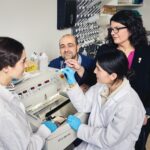 Environment, Aging, and the Brain - At the University of Rhode Island College of Pharmacy and the George and Anne Ryan Institute for Neuroscience, Associate Professor Jaime Ross and Research Assistant Professor Giuseppe Coppotelli are investigating two of the most pressing questions in brain health today: how cellular energy systems influence aging and how environmental toxins may accelerate neurodegenerative disease. Their […]
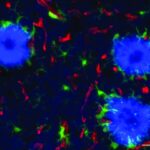 Clearing the Path to Brain Health - University of Rhode Island College of Pharmacy professors and George and Anne Ryan Institute for Neuroscience faculty members William Van Nostrand and Joseph Schrader are uncovering how vascular and protein biology drive neurodegenerative disease. Alzheimer’s disease and related dementias affect millions of people worldwide and remain among the most urgent challenges in biomedical research. While […]
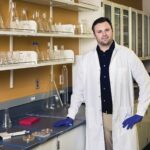 Advancing Precision Therapies for Drug-Resistant Infections - Multidrug-resistant gram-negative bacteria, including carbapenem-resistant Enterobacterales and Acinetobacter baumannii, are among the most difficult pathogens to treat and are considered urgent global health threats. At the University of Rhode Island, Tom Lavoie, Pharm.D., assistant professor, is working to improve how these infections are treated by identifying the most effective antimicrobial regimens and optimizing how they […]
 125 Years of Pharmacy Education and Innovation (1902–2027) - For 125 years, the University of Rhode Island College of Pharmacy has prepared pharmacists, scientists, and health care leaders dedicated to improving human health. Today, the college is nationally recognized for its education and research, but its origins trace back to a small group of Rhode Island pharmacists who believed their profession needed stronger scientific […]
 Virtual Reality Lab Inspires the Next Generation of Scientists - Through a new virtual reality lab and hands-on research experiences, scientists at the University of Rhode Island College of Pharmacy are introducing high school students across the state to biomedical research and natural product discovery. The program, called Hands on Education and Research for Biomedical and Analytical Learning (HERBAL), is supported by a $1.35 million […]
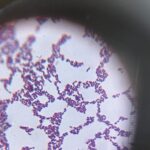 “Rhody Phage Cocktail” Aims to Help Control Superbugs - The discovery of antibiotics transformed modern medicine, turning once-deadly infections into treatable conditions and saving millions of lives. But decades of overuse and misuse have accelerated antibiotic resistance, allowing certain bacteria to evolve into dangerous “superbugs” that evade even our most powerful drugs. As multidrug-resistant infections become increasingly difficult to treat, researchers are urgently working […]