
When one thinks of sensation, most often what comes to mind are the different sensations felt on the skin: heat, cold, rough textures, soft fabrics, or pain. But there’s more to sensation than the feelings people experience; human bodies are also constantly sensing their position in space by detecting the degree to which muscles are elongated or shortened.
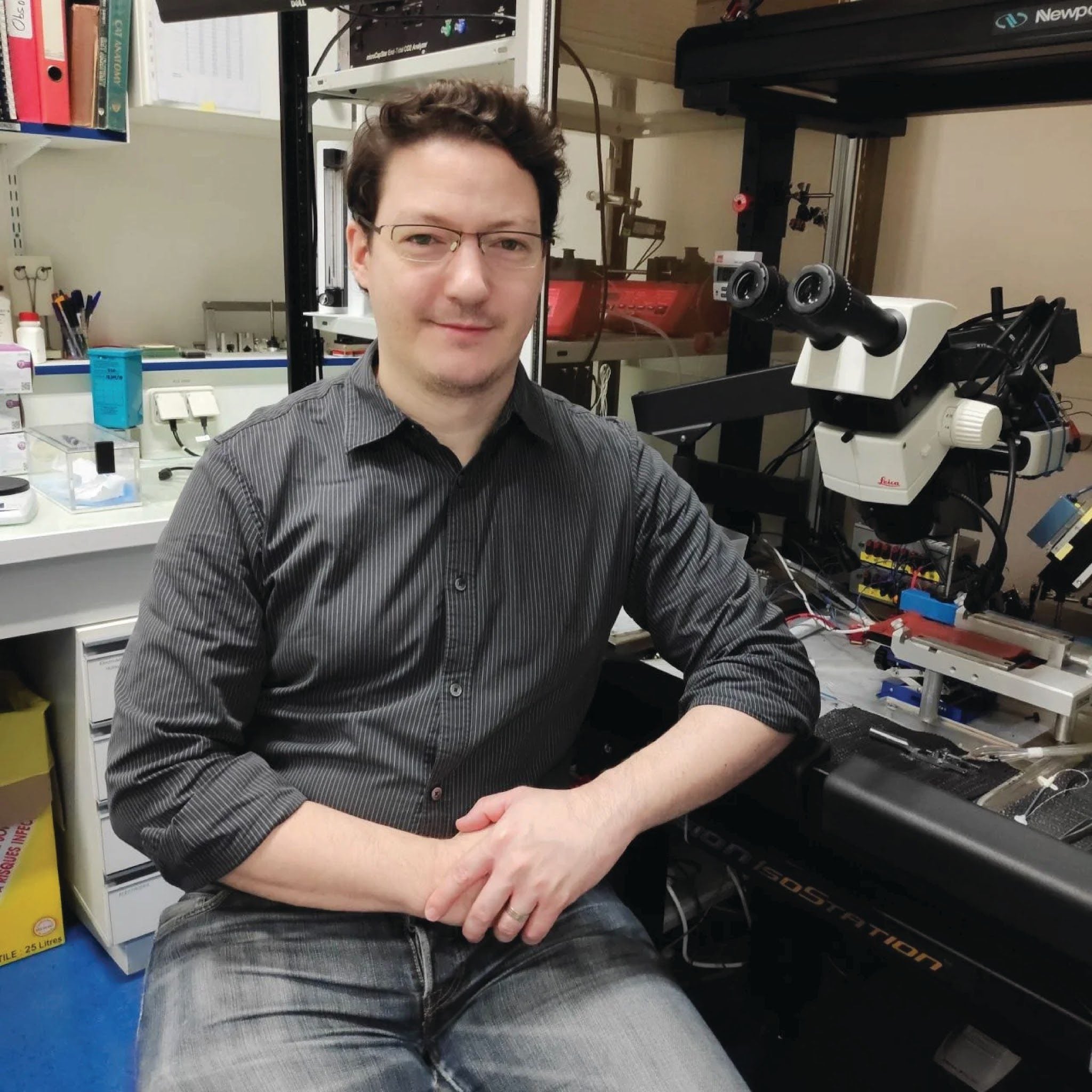
The sense is called proprioception, and it is recognized by neurons that are embedded in muscle spindles, muscle/nerve bundles located throughout the body. University of Rhode Island College of Pharmacy Associate Professor Katharina Quinlan is studying muscle spindles and other mechanisms contributing to spasticity in cerebral palsy in three separate projects, totaling ~$9 million, funded by the National Institute of Neurological Disorders and Stroke.
“This research will provide new clues as to how to treat spasticity at the source, and possibly how to prevent it from occurring in children who are at risk for developing cerebral palsy.”Katharina Quinlan, Ph.D.
Spastic cerebral palsy is the most prevalent type of this disorder, affecting about 3 out of every 1,000 births worldwide. Caused by injury (such as lack of oxygen, infection, or neonatal stroke) to the developing motor cortex and pathways, it is characterized by movement dysfunction such as muscle spasms, stiffness, and weakness.
“It is well established that spasticity is driven by hyperactive stretch reflexes, but how these become hyperactive following a developmental injury has not been well studied,” said Quinlan, who also holds an appointment in the George and Anne Ryan Institute for Neuroscience at URI. “In collaboration with the Manuel lab next door, we have a $3.1 million grant from the NIH to investigate all aspects of developing motor control, including muscle spindle structure and function, using an animal model of cerebral palsy.” Assistant Professor Marin Manuel is also a faculty member in the College of Pharmacy and the George and Anne Ryan Institute for Neuroscience at URI.
Muscle spindles are vital to the reflex circuit and provide a great insight into how the human body’s nervous system functions, Quinlan said. “Think of the knee-jerk reflex that may be tested in a doctor’s office. These reflexes are a quick way for physicians to check on the proper functioning of our nervous system.”
They can also be used to better understand the symptoms of cerebral palsy, part of Quinlan’s broader research program studying the neural basis of movement. She aims to identify early morphological and electrophysical changes that precede motor deficits, and develop new biomarkers and pharmaceutical treatments for conditions such as ALS, spinal muscular atrophy, and cerebral palsy. Earlier identification of disease states could help lead to earlier diagnoses of neurological disorders, and, in some cases, allow preventative therapeutics to be developed.
“This research will provide new clues as to how to treat spasticity at the source, and possibly how to prevent it from occurring in children who are at risk for developing cerebral palsy,” Quinlan said.
Overall, the Quinlan lab focuses on the changes in the activity of spinal neurons in neurodegeneration and neural injury. Specifically, changes in intrinsic and synaptic drive to motoneurons are studied in cerebral palsy, ALS and spinal muscular atrophy. The ultimate goal is to translate findings from the lab to the clinic to improve biomarkers and therapies for these conditions.

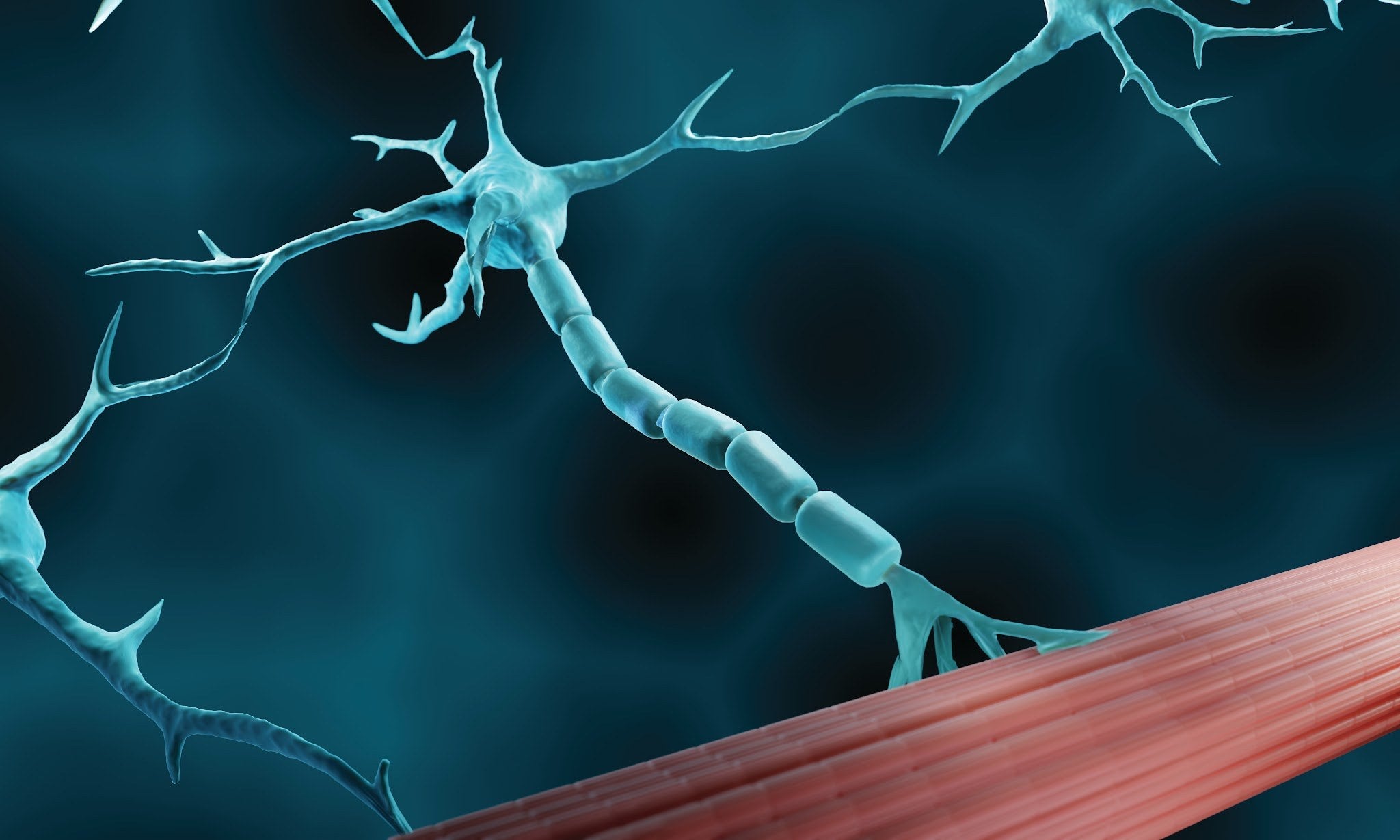
In a separate project, Quinlan’s lab is studying primary afferent depolarization, also known as “PAD,” a mechanism that causes a reflex response to vary depending on sensory input. (The knee-jerk you experience sitting on the examining table at the doctor’s office, for example, would not be the same if the doctor tapped on the same spot while you were in motion.)
Quinlan wondered: Considering that PAD helps to shape this reflex response, what role does it play in cerebral palsy, which can cause spastic or exaggerated reflex responses? She found that PAD had never been studied in this context, so on a five-year, $2.8 million grant, she is investigating PAD in cerebral palsy, along with an intriguing idea: the potential to use transcutaneous electrical nerve stimulation (TENS) to help modulate hyperactive reflexes that can cause spasms through the PAD mechanism.
As opposed to invasive treatments, Quinlan is investigating whether using TENS to tweak sensory input could be an affordable and accessible way to reduce spasms.
“In spastic cerebral palsy, there is too much afferent input,” Quinlan said. “One treatment involves surgically severing afferents. This reduces spasticity, but it can also cause loss of sensation and loss of control of various body functions. Using TENS would be a way to dampen the afferent input without surgically cutting nerve fibers.”
Quinlan hopes her research, which also includes an additional $2.7 million National Institutes of Health grant to study pain in cerebral palsy, will lead to new hope for improved treatments and prevention.
RhodyRx – Research, Innovation & Impact
We have some exciting news… the newest issue of RhodyRx is here!
VIew the Full report