
Cancers are masters of disguise that can evade the immune system, growing undetected while wreaking havoc on the body. However, a new approach using oncolytic bacteria – bacteria that target and destroy cancer cells – may offer a way to expose and attack these tumors.
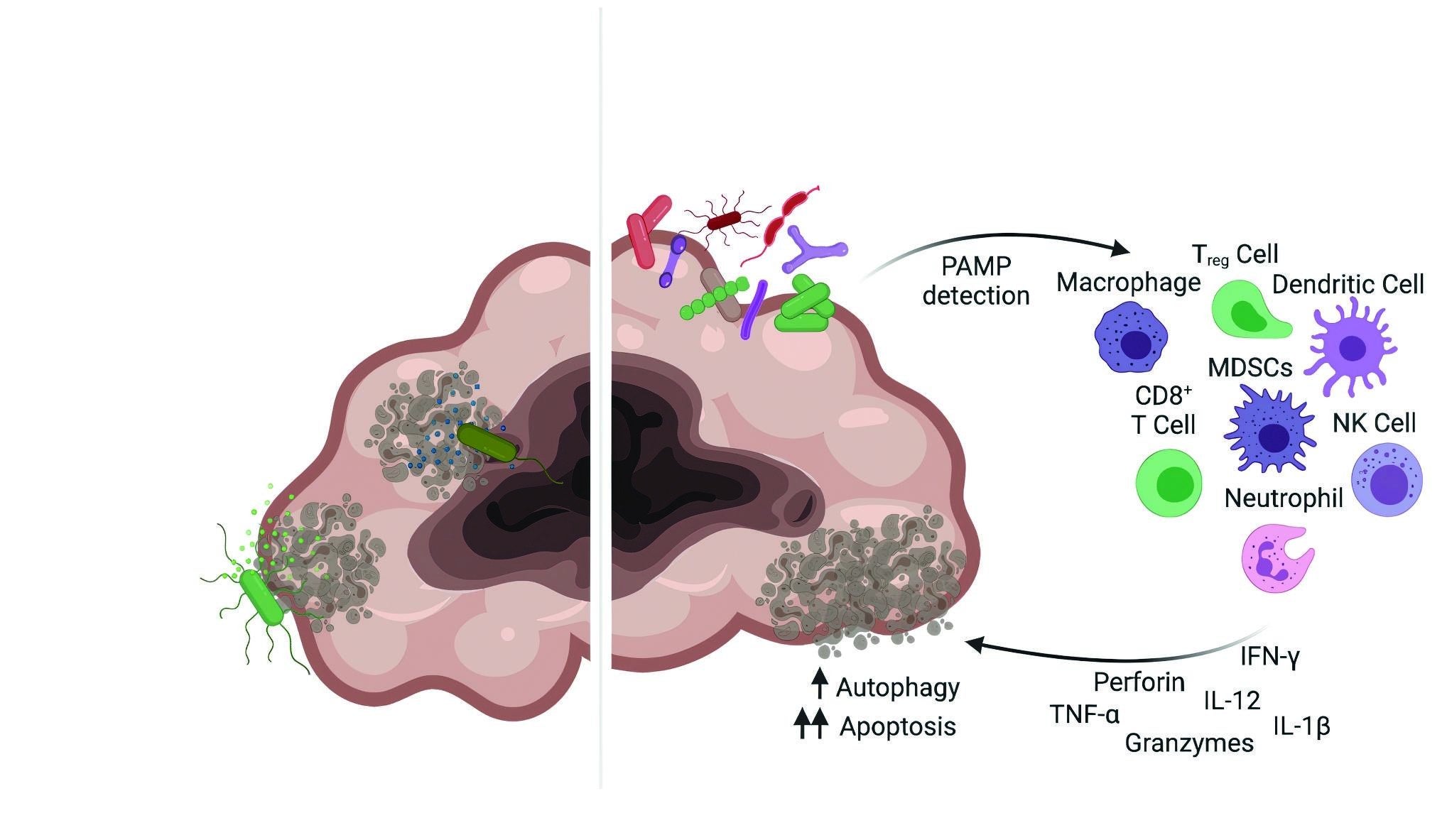
When oncolytic bacteria are introduced into a tumor, the immune system recognizes and attacks the bacteria, triggering a broader response that also targets the cancer cells.
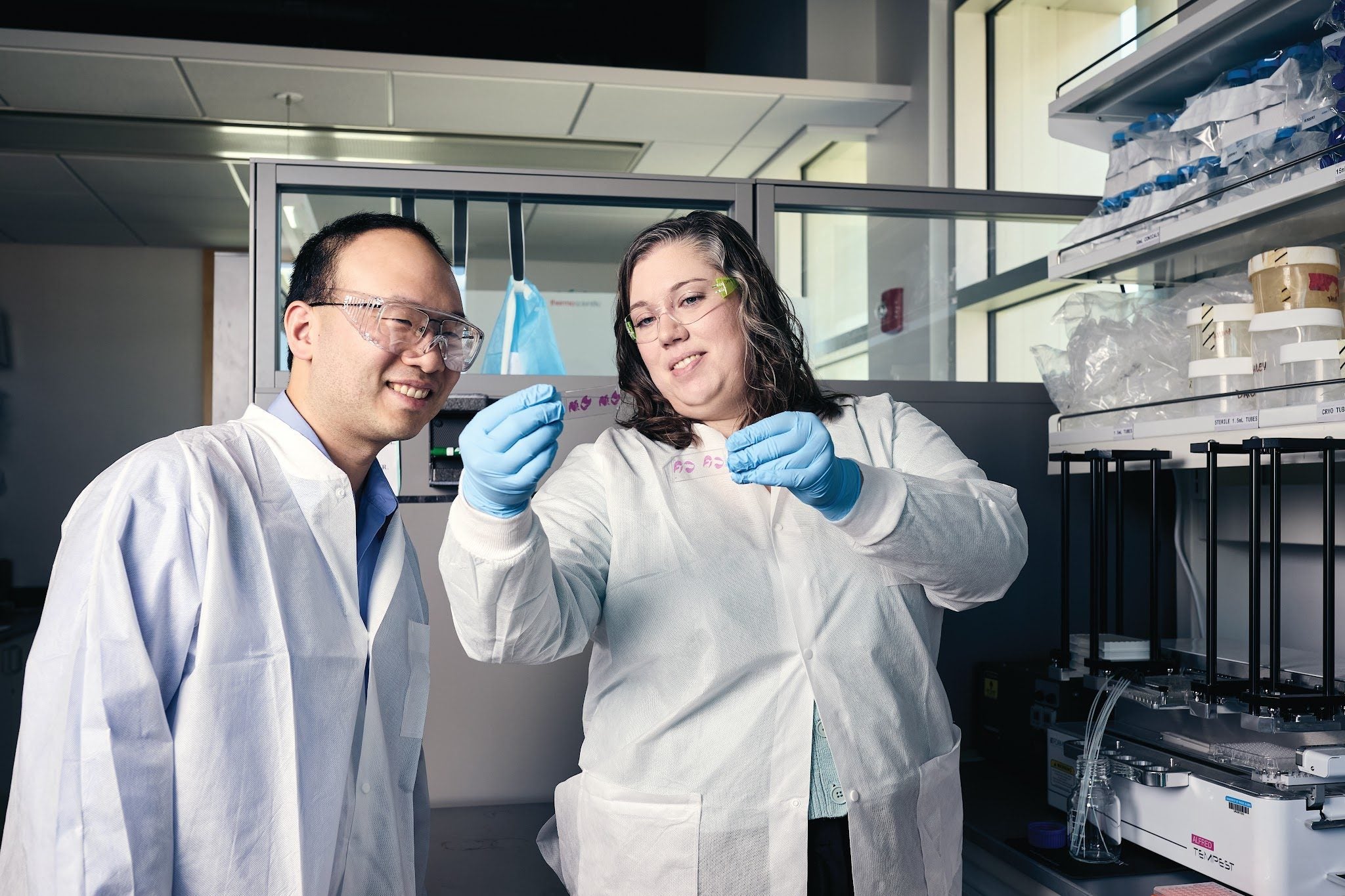
While previous research from Johns Hopkins University is successfully completing clinical trials, Kaitlin M. Dailey, Ph.D., assistant professor at the University of Rhode Island College of Pharmacy, is working to expand this approach to treat cancers that are difficult or impossible to access, including pancreatic cancer, one of the most challenging cancers to treat and cure.
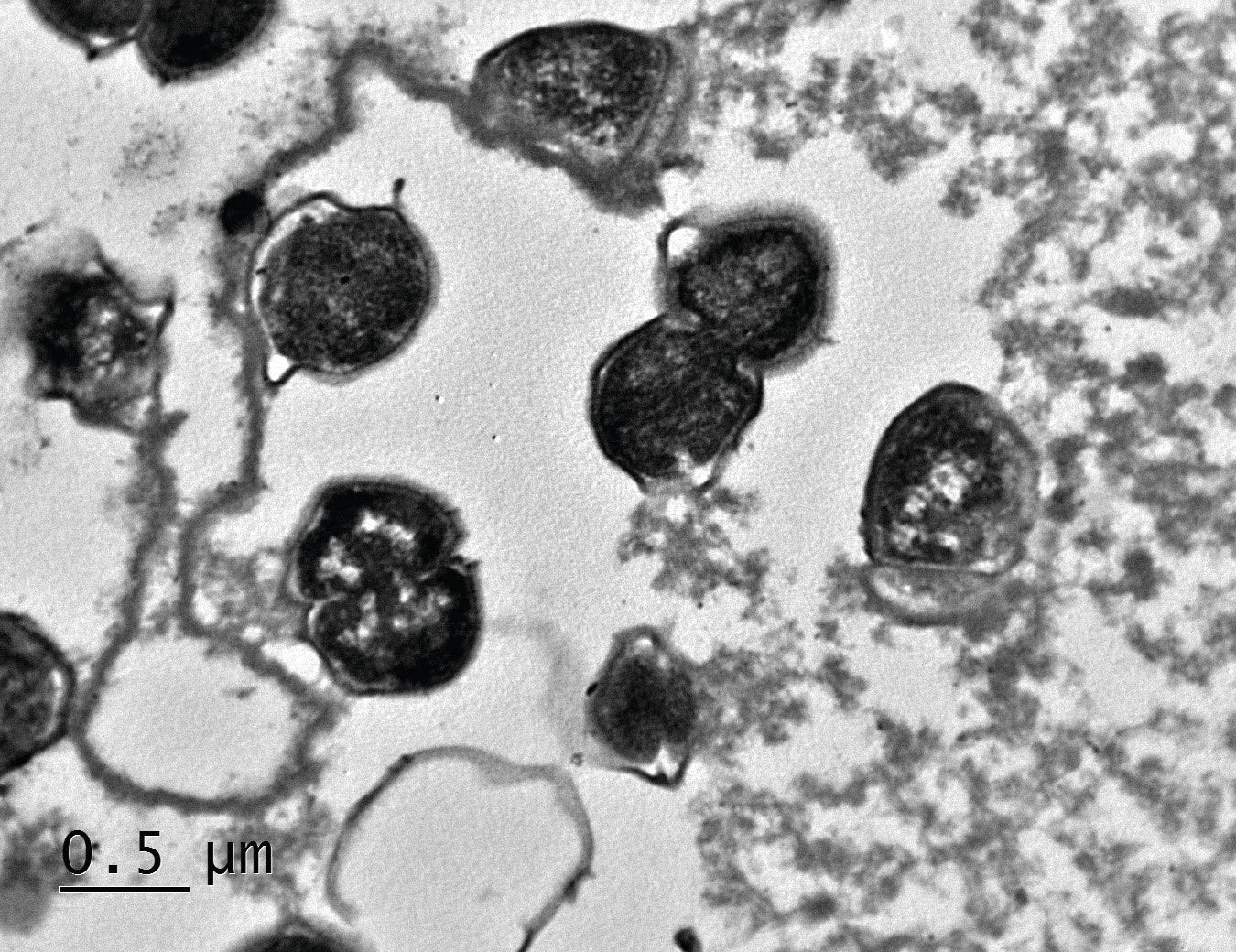
Dailey’s lab is working with the microorganism Clostridium novyi-NonToxic, reengineering the already non-toxic bacteria through a first-of-its-kind synthetic and engineering biology platform for targeted gene editing. These edits allow the bacteria to be injected into the bloodstream without causing sepsis, giving them a chance to access hard-to-reach tumors, including those that have metastasized, regardless of where the tumor is in the body.
“Our lab’s mission is to develop therapies that reach patients and ultimately help cure cancer.”Kaitlin Dailey, Ph.D.
“By using a bacterium as our therapeutic, we can reprime the immune system so that not only are we able to directly target the tumor, we’re also effectively vaccinating against reoccurrence,” said Dailey, who is also an affiliate with the Legorreta Cancer Center at Brown University. “If we can target a tumor through intravenous inoculation, we have the opportunity to target both the primary tumor and any related metastatic tumors (tumors that spread from the primary site). Essentially, we will have retrained the immune system to recognize a tumor as foreign and promote its destruction.”
Dailey has already seen promising results targeting pancreatic cancer in mice trials. The next step is improving how the bacteria circulate in the bloodstream without being eliminated by the immune system before reaching the tumor.
She and her team of graduate and undergraduate students are developing genetic engineering strategies to help the bacteria temporarily evade immune detection until it reaches its target.
“It’s a common pharmacy concept: How do we increase the amount of time that our therapeutic is in circulation?” Dailey said. “We want to safely increase the circulation time and subsequently the amount of bacteria that reaches the tumor site. That’s where we are focusing our efforts right now because it’s the most direct way to increase therapeutic efficacy.”
Dailey’s work on the development and clinical use of Clostridium novyi-NonToxic as an oncolytic (cancer-killing) bacterium represents a transformative approach to treating metastatic cancers, including pancreatic cancer and other solid tumors. Her research highlights the potential of translational synthetic biology to reshape cancer treatment.
After demonstrating that the bacteria can be modified while maintaining its cancer-targeting ability, her long-term goal is to advance the approach to human clinical trials.
“It might sound ambitious, but I am trying to cure cancer,” Dailey said. “There are many steps along the way, but they are all focused on patient impact,” Dailey said, noting that in the past she assisted in autopsies on patients who died of cancer.
“You know cancer is devastating, but seeing the extent of disease firsthand changes you,” she said. “You see that patients have no diaphragm left because the tumor has taken over their entire abdomen, or they have no liver left and it’s made them cirrhotic. Nothing prepares you for those experiences. That’s my guiding light. I couldn’t help those patients, but I may be able to help others. Our lab’s mission is to develop therapies that reach patients and ultimately help cure cancer.”

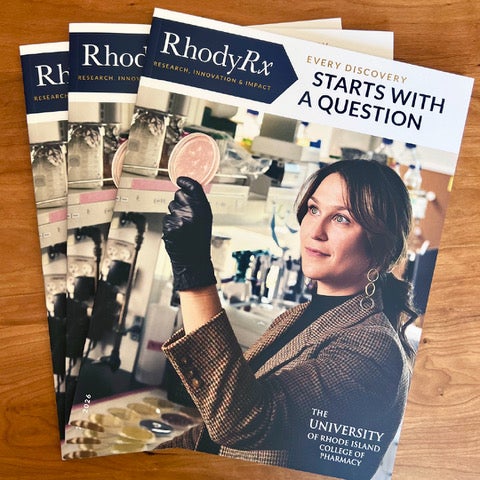
RhodyRx – Research, Innovation & Impact
We have some exciting news… the newest issue of RhodyRx is here!
VIew the Full report