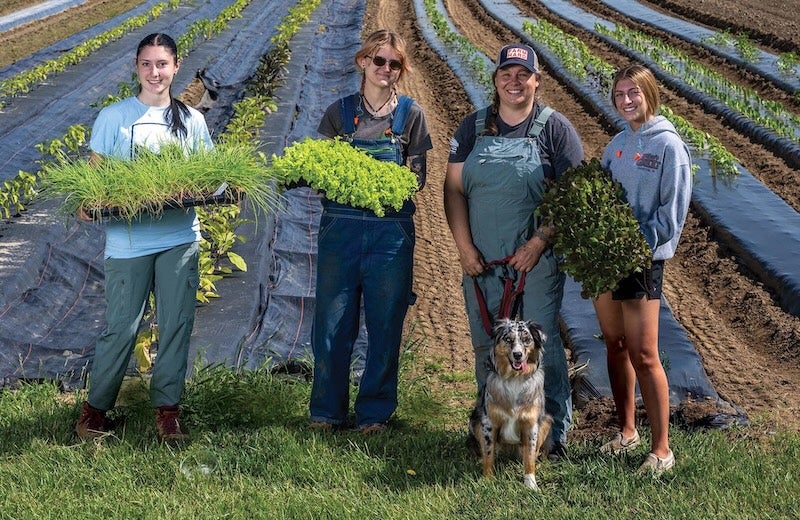
At the College of the Environment and Life Sciences, you’ll deepen your understanding of the living world and your place within it.
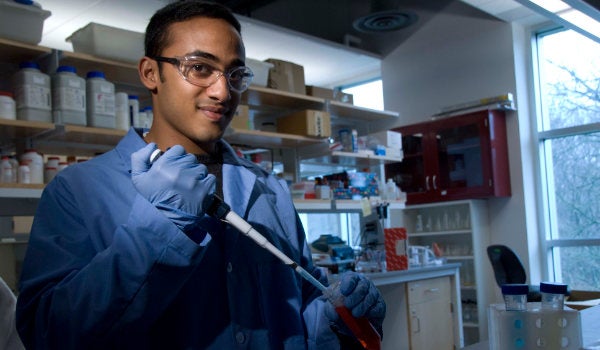
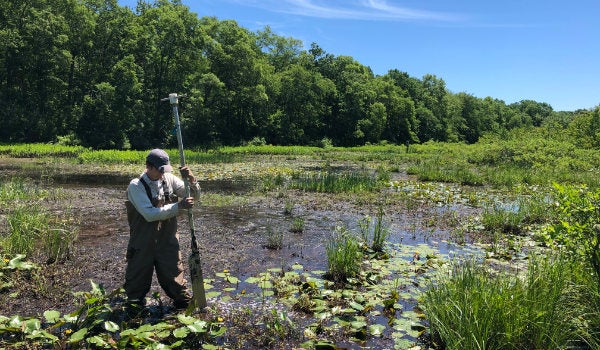
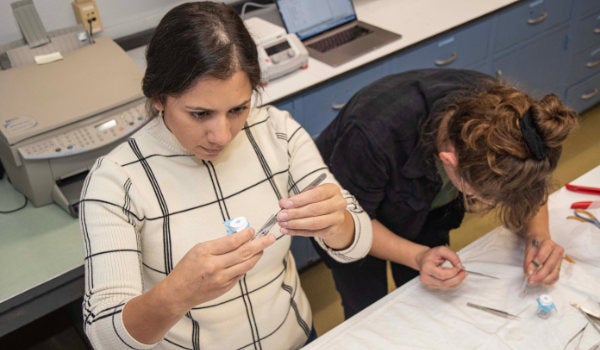
The work that happens here is rooted in our land- and sea-grant mission, and connected to the needs of the local, regional, and global communities. Our faculty researchers work collaboratively across disciplines, drawing from a broad, inclusive field of human knowledge to make critical discoveries within their fields. URI’s core research facilities and specialized labs offer the latest technologies that will enable you to gather field data, synthesize vast amounts of information, and develop solutions to real world challenges. Whether you are interested in urban food systems; protecting marine wildlife; understanding what makes an organism adapt and an ecosystem thrive; or assisting policy makers in the shift towards renewable energy and sustainable natural resource management, you’ll find your place here.
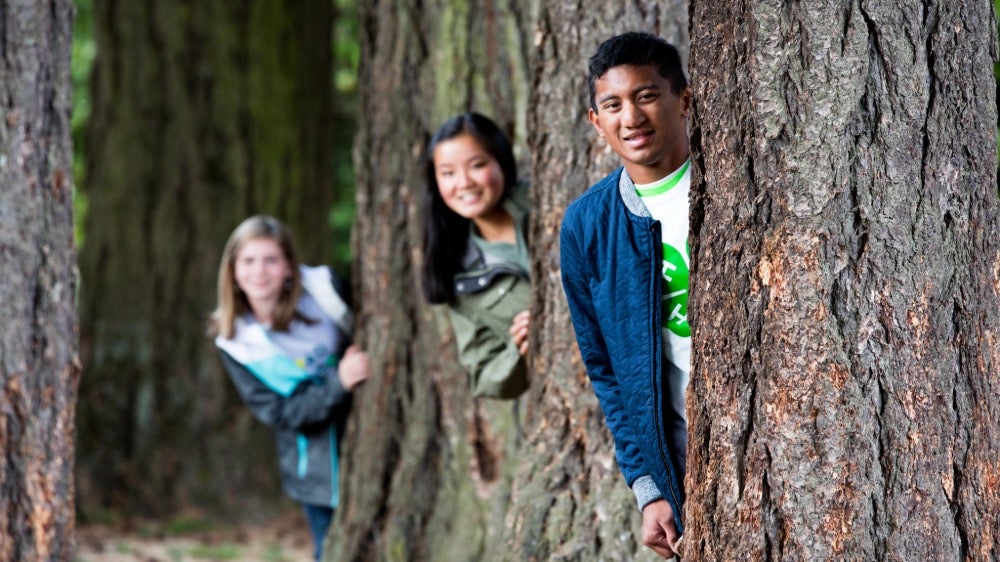
URI Cooperative Extension
Education and engagement with Rhode Island communities is at the core of what we do. As a land-grant and sea-grant university, our mission is to ensure URI provides education and applied research that helps communities and improves the lives of Rhode Islanders.
learn moreNews and Stories
 Investigating Disease Resistance in Wild Ducks: Q&A with Miranda Lin August 5, 2026 - Through the CELS Summer Fellowship Program, Miranda is studying how wild diving ducks respond to avian influenza, research that could help scientists better understand disease resistance and improve wildlife health monitoring.
 URI cut flower trial August open house to welcome growers, put spotlight on summer blooms August 4, 2026 - The University Agronomy Farm is inviting cut flower growers, florists, and farmers to join an evening walk through the trial field to see the many varieties being evaluated this season at URI
 CELS Summer Research Fellowship Program Continues a Legacy of Experiential Learning August 3, 2026 - This summer, 53 CELS students are conducting hands-on research alongside faculty mentors on projects ranging from coral reef restoration and wildlife conservation to sustainable agriculture and public health. Now in its fourth decade, the Summer Research Fellowship Program has provided more than 1,500 URI students with experiential learning opportunities that prepare them for careers while advancing research with real-world impact.
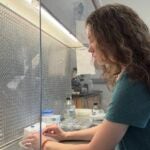 Unlocking the Genetics of Plant Cell Growth: Q&A with Megan Malone August 3, 2026 - As part of a CELS Summer Research Fellowship, Megan Malone is studying genes involved in plant cell wall development, research that could eventually help scientists develop more resilient and productive crops.