
Your graduate experience is more than your degree.
Make a plan for the work, the life, and the future you are building.
Graduate school can open new academic and professional opportunities while bringing new demands on your time, finances, and daily life. Whether you are pursuing a master’s degree, working toward a doctorate, conducting research, teaching, or balancing graduate study with employment, the choices you make about funding, housing, and your routine can shape your experience at URI.
Commuter Affairs brings together practical resources to help you navigate life beyond the classroom, find housing that fits your circumstances, connect with the graduate community, and prepare for what comes next.
Explore the resources below to plan for graduate school, find housing that fits your circumstances, connect with the graduate community, and prepare for what comes next.
Can I Make Graduate School Work for My Life and Finances?
Graduate school is an investment of time, energy, and money. Understanding your funding, financial responsibilities, and living expenses can help you make informed decisions and build a sustainable routine.
Understand Your Funding and Financial Commitments
Graduate funding can take different forms, including assistantships, fellowships, scholarships, and research-related awards. Eligibility, application processes, and benefits vary by opportunity and appointment.
If you receive an assistantship or stipend, review the terms carefully. Understand the appointment period, payment schedule, required work, tuition and fee responsibilities, and applicable benefits.
Don’t assume that you will receive funding or that your expenses will be covered.
Explore graduate fellowships, scholarships, assistantships, and other funding opportunities through the URI Graduate School.
Review current appointment requirements, stipend information, tuition and fee responsibilities, and benefits.
This tool can be used to understand estimated educational expenses used in financial aid planning. This is not a guarantee of your actual expenses or promise that funding will cover them.
Budget for the Life You Will Be Living
Things to Consider
If your income comes from an assistantship, stipend, employment, or several sources, consider when payments arrive and how your budget might change between appointments or during the summer.
Think about whether your available income will cover your expenses without relying on funding you have not yet secured.
Your actual living expenses depend on your circumstances, not just the cost of attending the University. In addition to tuition and fees, consider rent, utilities, food, transportation, health-related expenses, books and supplies, deposits, and other regular costs.
Your housing needs may change as your graduate work evolves. Your schedule might include classes, laboratory work, teaching, research, clinical placements, fieldwork, or long stretches of independent writing. Consider how your housing, location, and lease will support both your academic work and your life outside it.

Explore Your Housing Options
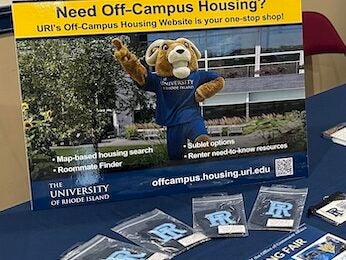


Explore Live-In Opportunities
The Fraternity Managers Association (FMA) lists House Director positions at URI fraternity and sorority houses. Compensation and benefits vary by house, and each house’s housing corporation manages hiring.
The new University Graduate Village is expected to open in Fall 2028. Housing availability, eligibility, and application procedures may change as construction progresses, so check the latest information from Housing and Residential Life rather than assuming a particular option will be available.
Look Beyond Rent Alone
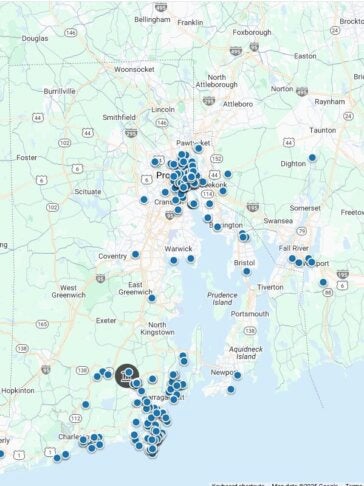
Rhode Island’s rental market varies by location and season. Some properties in coastal communities offer academic-year leases, while summer demand can affect availability and pricing. Housing near Kingston may be limited. Depending on your schedule, transportation, and budget, you may want to expand your search to other communities, including Providence or locations beyond Rhode Island.
A location farther from campus might have lower rent, but it might not automatically the less expensive option once transportation costs and travel time are included.
Plan for Summer and Other Changes in Your Schedule
Your housing needs may not align neatly with the academic year. You may need housing for summer research, an internship, continued employment, thesis or dissertation work, or a gap between appointments.
On Campus summer housing eligibility, application requirements, and availability can vary. Review the current information from URI Housing and Residential Life before making plans.
on campus summer housingBefore signing a lease, confirm when you will need housing and whether your income will cover those months.
When comparing options, consider:
- Total cost: Include rent, utilities, internet, transportation, parking, deposits, and other recurring expenses.
- Location and travel: Consider your commute to campus, research facilities, work, and other regular destinations.
- Space to work and study: Think about internet reliability, noise, workspace, and whether your schedule will work with roommates.
- Lease timing: Compare the lease term with your program calendar, funding or employment dates, and summer plans.
- Changes in your work or studies: Consider what you would do if your research location, work assignment, enrollment, or living arrangements changed.

Looking for more guidance?
- Off-Campus Renting 101: Explore the Commuter Affairs guide for shared information about finding and renting a home, understanding leases, budgeting, and communicating with landlords.
- Commuter Essentials: Find practical ways to make your time on campus work when you’re balancing classes, research, teaching, work, commuting, and other responsibilities.
- Not Sure Where to Start? Contact Student Support and Advocacy Services for case management for unexpected circumstances that interrupt your academic journey.
How Can You Build a Successful Graduate Experience and Prepare for What Comes Next?
Graduate school is more than completing coursework or meeting degree requirements. It is an opportunity to develop expertise, strengthen professional skills, build relationships, and prepare for the work you want to do in the future.
Connect with the Graduate Community
Graduate students bring different experiences, interests, and goals to URI. Connecting with peers can help you exchange practical information, learn about opportunities, and feel more connected to the University.
Make room for relationships, rest, and interests outside your academic responsibilities, too. A sustainable graduate experience is about more than getting through the next deadline.
Develop Skills for Your Next Step
Your graduate experience can prepare you for a range of opportunities, both within and beyond academia. The Graduate School’s professional development and career advising services offer support with career exploration, résumés and CVs, interviewing, networking, job searches, and other professional skills.
Use your time as a graduate student to build skills, make connections, and explore the opportunities you want to pursue next.
Looking for Something Specific?
Graduate students may also need resources that are shared across the University. Explore the Commuter Affairs pages below for information relevant to your circumstances.