Each project begins with a question from an election official. Explore our work across six themes, from polling place layouts to the people who run elections.
Polling Place Design and Layout
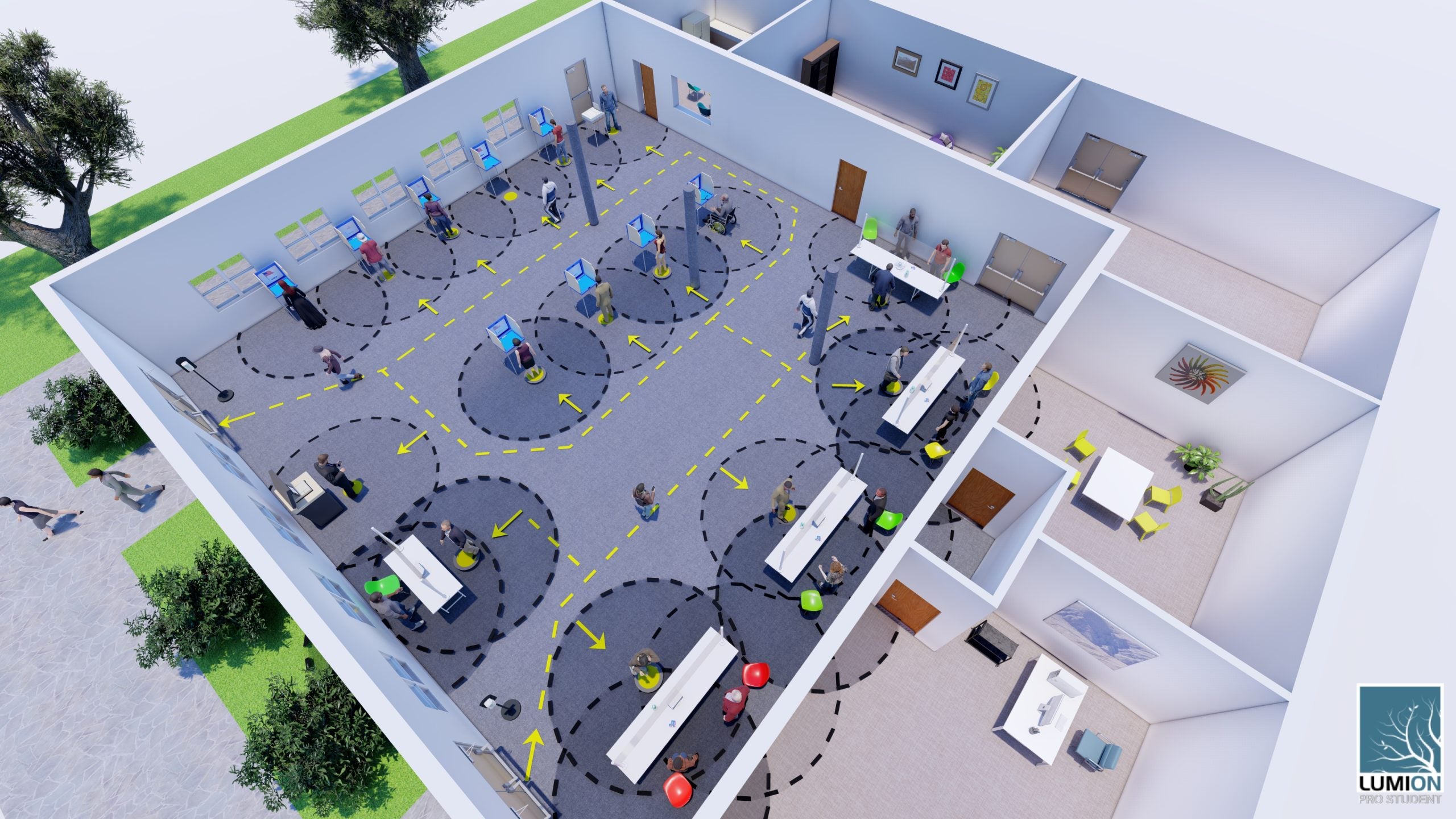
Since 2017, EDI has transformed polling places, vote centers, and processing facilities into scaled 2D and 3D layouts that show exactly where equipment, voters, and workers should go. With more than 1,500 diagrams created, poll workers across the country use them to set up for Election Day.

Resource Allocation and Wait Times
EDI uses more than 70,000 observed voting times to build simulation models that estimate how many check-in stations, voting booths, and staff each location needs. Election officials use these results to prepare for low, medium, and high turnout before the doors open.


Accessibility and Voting Equipment
Federal law guarantees voters with disabilities a private, independent ballot, but fulfilling that promise requires enough accessible equipment in the right places. EDI’s simulation research established minimum equipment requirements and informed the Accessible Voting Machines Calculator, developed in partnership with the U.S. Election Assistance Commission.

Vote-by-Mail and Ballot Processing
Every mail ballot goes through several steps before it’s counted. EDI has timed each step at processing centers across the country, from opening envelopes and verifying signatures to tabulating ballots and using the data to forecast how long counting will take.


Voters, Ballots, and Behavior
Where voters go, when they arrive, and how they mark their ballots all influence how an election works. EDI draws on poll book data, geospatial analysis, and ballot records to understand voter behavior and design election systems around it.

The People Who Run Elections
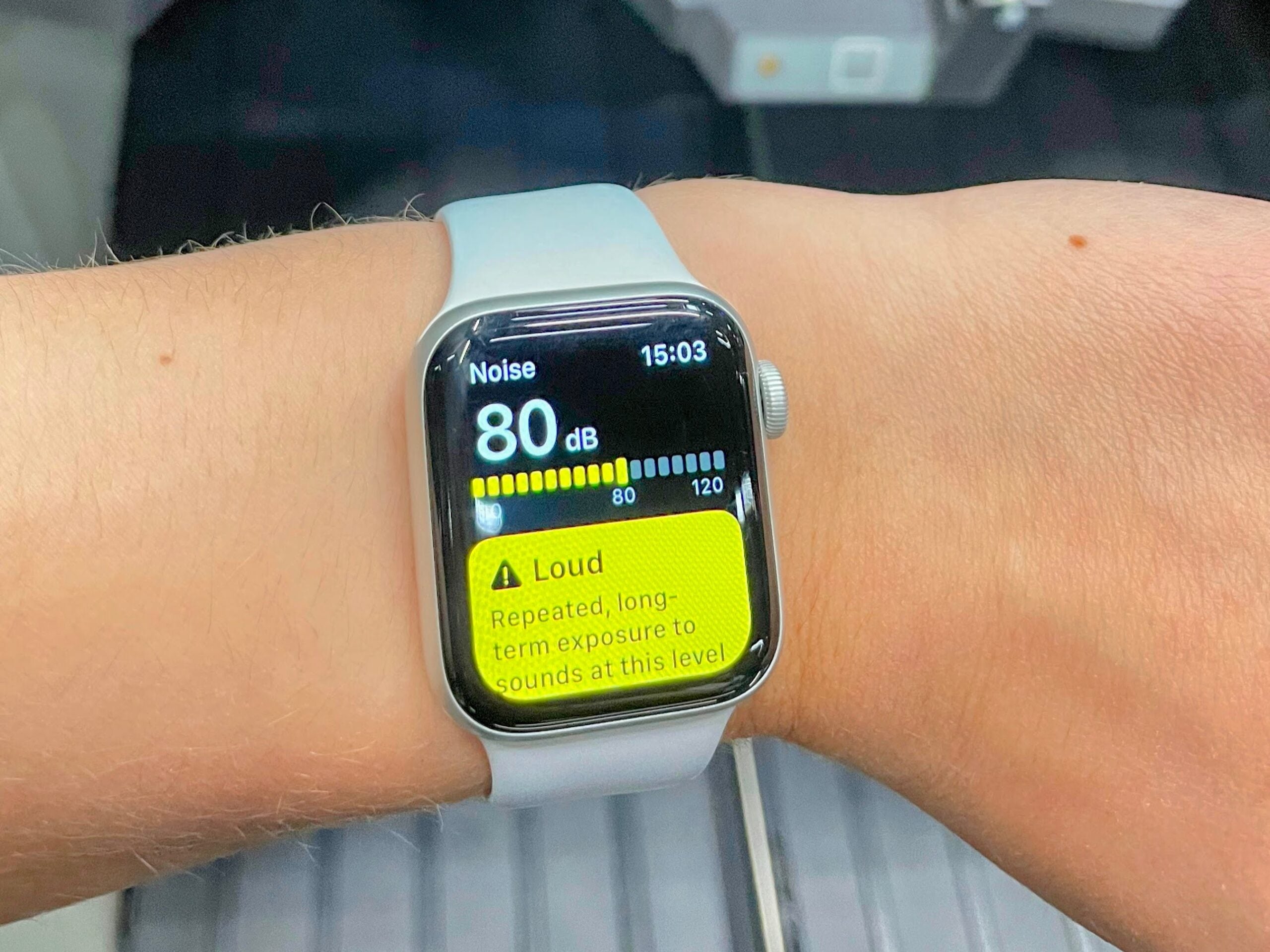
Elections rely on workers carrying out demanding tasks under tight deadlines, often in loud, crowded spaces. EDI studies this work, from the cognitive demands of signature verification to noise exposure from processing equipment, so the profession can better protect its Election Heroes.