
Long before modern pharmaceutical laboratories existed, many of the world’s most important medicines began in nature. Aspirin traces its origins to willow bark. Digitalis, used to treat heart conditions, comes from foxglove. Even cancer therapies such as vincristine and vinblastine were first derived from compounds found in plants.
At the University of Rhode Island College of Pharmacy, this connection between nature and medicine has been central to research and education for decades.
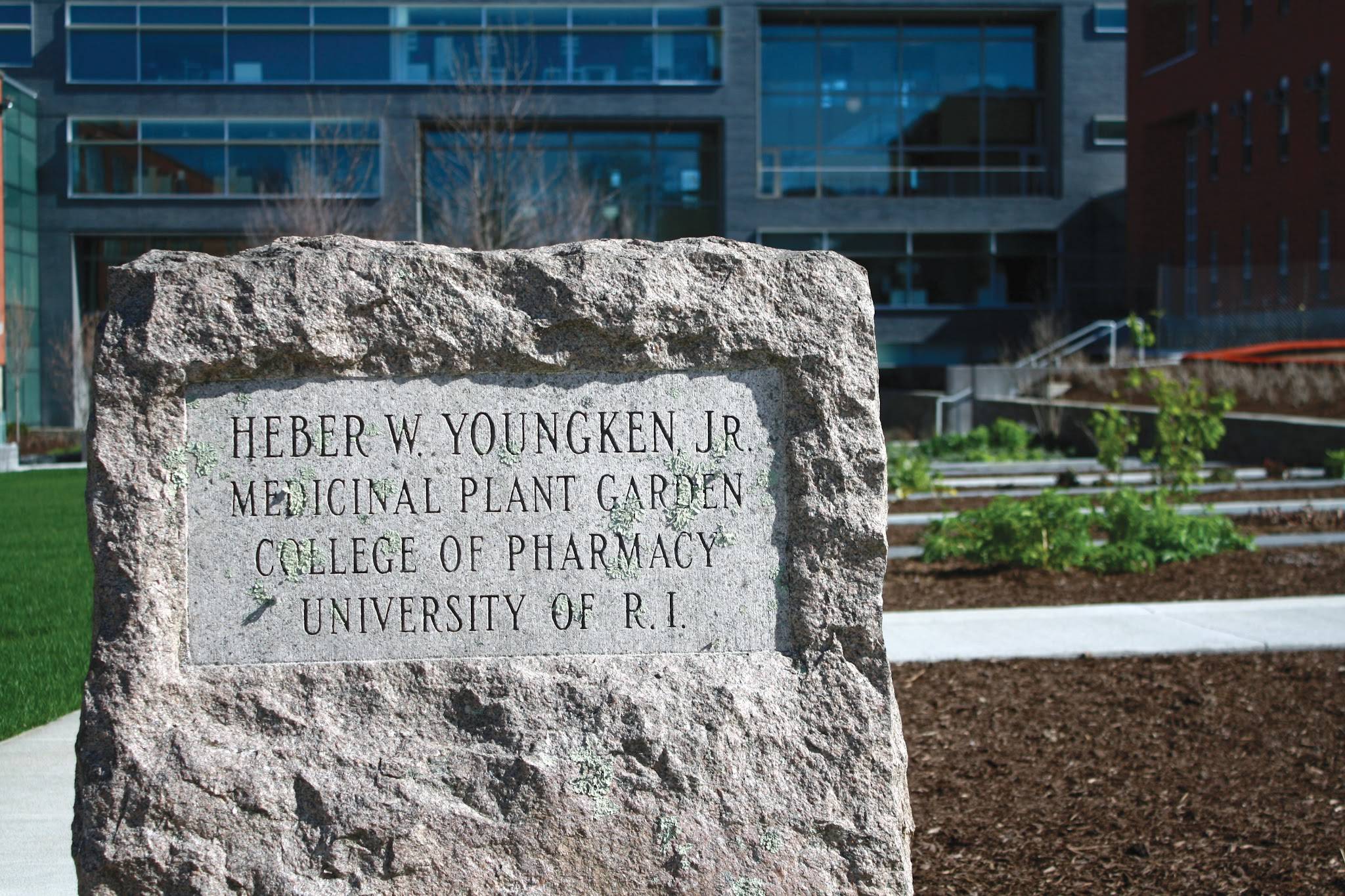
That legacy began in 1958, when Heber W. Youngken Jr., the college’s inaugural dean and a natural products chemist, planted the first medicinal garden after the college moved from Providence to the Kingston campus. As both a researcher and educator, Youngken wanted students to understand the natural origins of the drugs they studied.
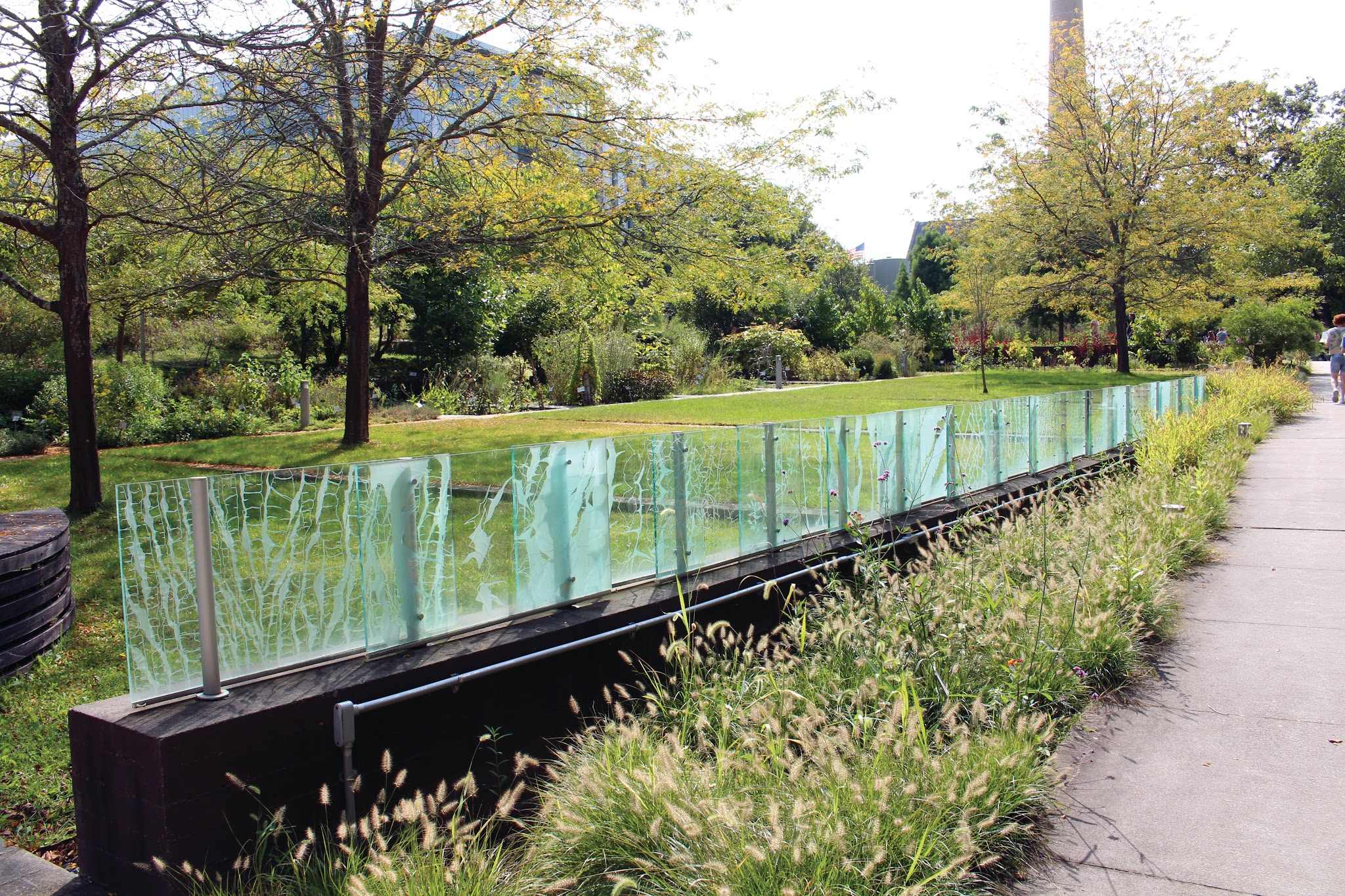
The garden evolved over time, moving locations and expanding in scope before reaching its current home outside Avedisian Hall in 2013. Today, the Heber W. Youngken Jr. Medicinal Garden stands as both a living laboratory and a work of public art, created as part of Rhode Island’s 1% for the Arts program and recognized with national and regional design awards.
A living laboratory for discovery
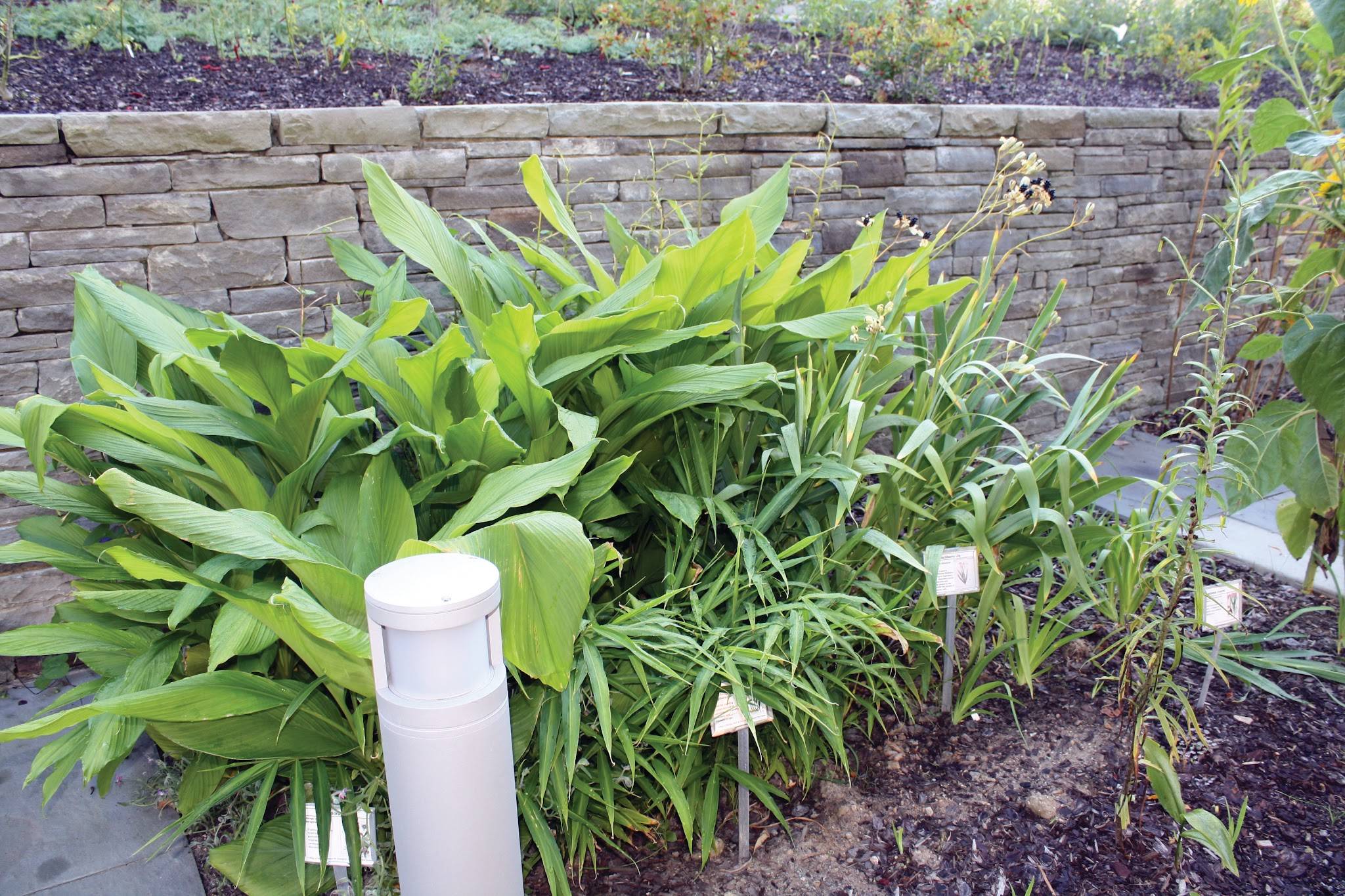
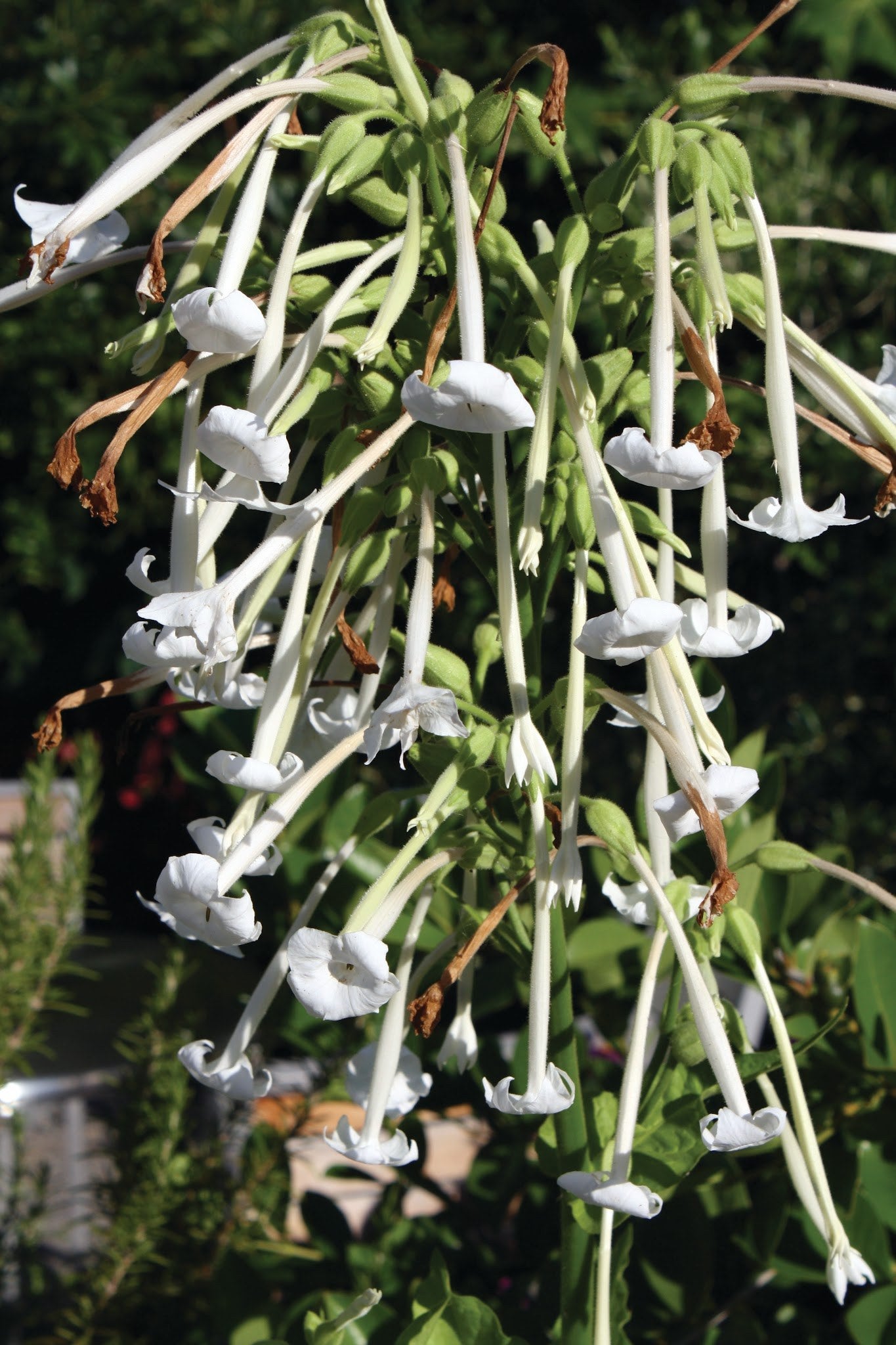
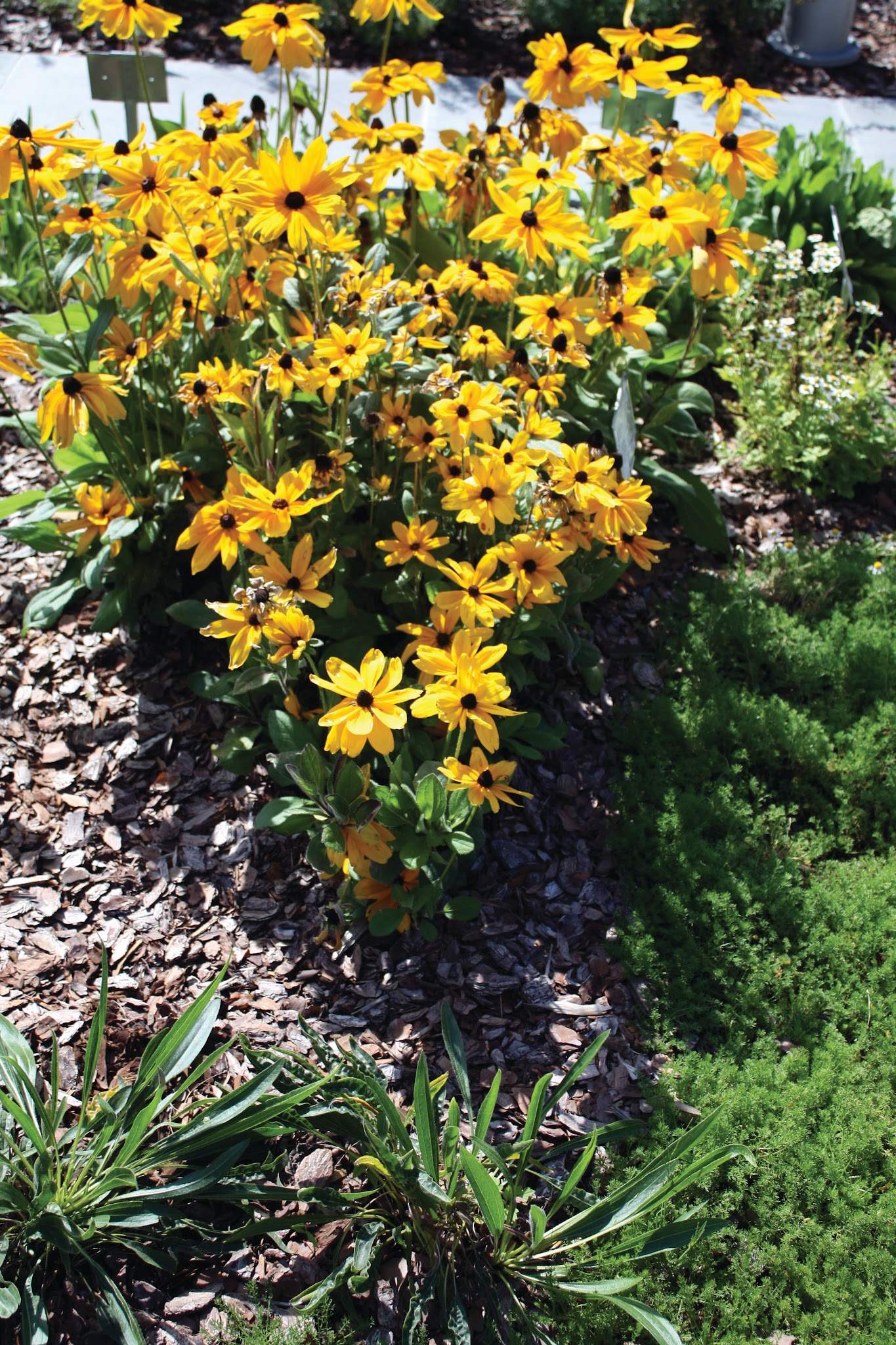
The garden contains nearly 300 plant species known for their therapeutic properties, including those historically used to treat pain, inflammation, infection and cardiovascular disease. Each plant is documented in a publicly accessible database, reinforcing the garden’s role as both an educational and community resource.
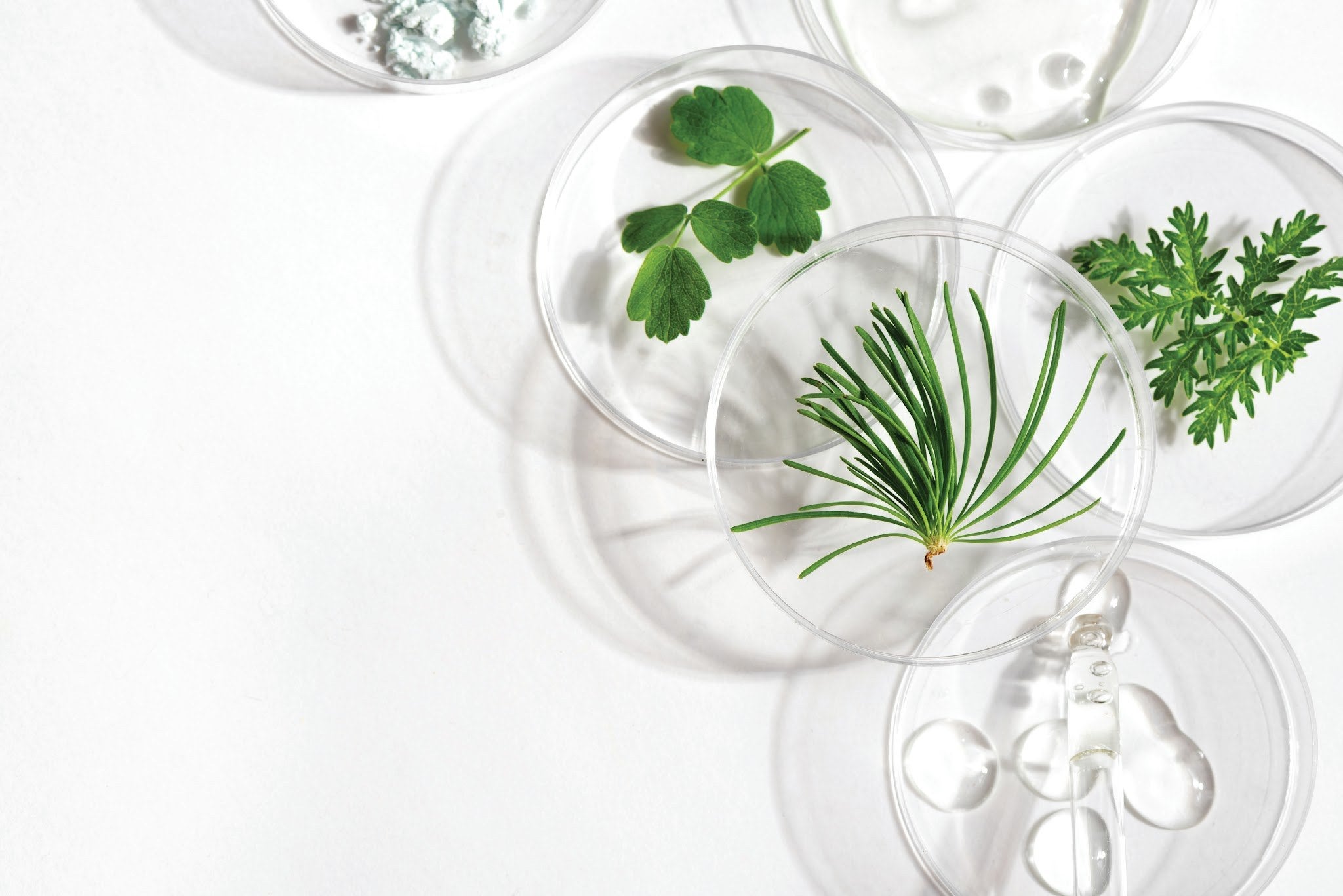
For students, the experience goes far beyond observation. In experiential learning courses, students collect plant samples, prepare extracts and analyze compounds using advanced techniques such as high-performance liquid chromatography and mass spectrometry. They then evaluate biological activity, gaining hands-on experience in the early stages of drug discovery.
The garden is also used across the curriculum, including courses in pharmacognosy, plant identification and the history of medicine, as well as interdisciplinary programs spanning plant sciences, landscape architecture, art and writing.
Through the HERBAL Academy, led by pharmacy professor David Rowley, Ph.D., high school students across Rhode Island are also introduced to biomedical research using the garden as a starting point. The program combines fieldwork with laboratory experience, helping students explore how natural compounds can lead to new therapies.
“At the University of Rhode Island, that journey, from plant to medicine, continues to take root.”URI College of Pharmacy
Building a tradition of natural products research
A key figure in advancing this work was Yuzuru Shimizu, Ph.D., a natural products chemist and expert in marine pharmacognosy. His research helped popularize the concept of “drugs from the sea,” expanding the search for therapeutics beyond land-based plants.
Shimizu also played a vital role in shaping the medicinal garden itself. An avid gardener, he contributed plant specimens from his own collection and served as director of the garden. Even after his retirement, he remained actively involved, supporting the garden through volunteer work.
His influence continues today, both in the garden’s living collection and in the college’s broader focus on natural products research.
Connecting past and future
While the medicinal garden reflects centuries-old traditions, the science it supports is firmly rooted in modern research.
Natural products remain a critical source of new therapies, with more than 40% of approved drugs derived from or inspired by compounds found in nature. Researchers continue to study these molecules, modifying them to improve safety, effectiveness and stability.
At URI, students learn not only the history of plant-based medicine but also the scientific tools used to transform natural compounds into modern treatments.
Inspiring the next generation
Today, the medicinal garden continues to serve as a bridge between education, research and discovery.
For students, it offers a tangible connection between the natural world and the medicines they will one day help develop or dispense. For researchers, it remains a source of inspiration and inquiry. And for the broader community, it stands as a reminder that some of the most important scientific breakthroughs begin with careful observation of the world around us.
As scientists continue to search for new treatments for diseases ranging from cancer to infectious conditions, nature remains one of the most promising frontiers.
At the University of Rhode Island, that journey, from plant to medicine, continues to take root.
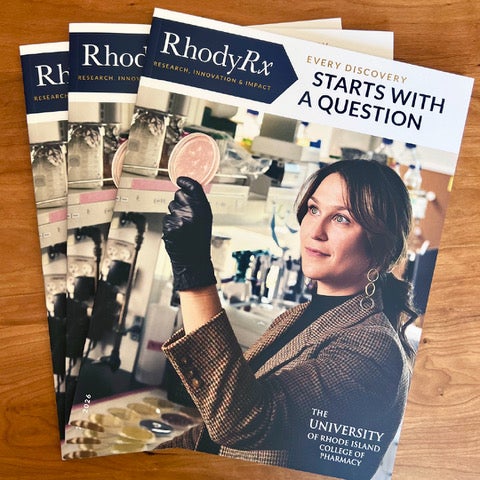
RhodyRx – Research, Innovation & Impact
We have some exciting news… the newest issue of RhodyRx is here!
VIew the Full report