
- State Policies to Facilitate Higher Education and Workforce Training for Former Foster YouthPrimary Investigator: Dr. Shanna Pearson-Merkowitz, Professor of Political Science (pictured at left)In brief: Dr. Pearson’s Public Policy Lab team partnered with Adoption RI to conduct an analysis of state policies that aim to increase access to higher education for former foster youth. The team, which includes undergraduate students Austyn Ramsay (center), Shawn Sheppard (right), and Emma Mariano, analyzed current educational and economic outcomes among foster youth as well as the barriers to college entry and graduation. They also evaluated the current resources and aid available for foster youth in Rhode Island and investigated best practices from other states that could serve as models for Rhode Island. (more…)
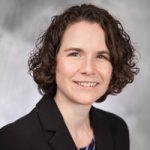
Dr. Shanna Pearson-Merkowitz 
Austyn Ramsay 
Shawn Sheppard - Rhode Island Trauma-Sensitive Education Collaborative (RITSEC)
Primary Investigator: Dr. Diane Kern, Professor of English Language Arts and Literacy Teacher Education (pictured at left)

Dr. Diane Kern 
Caroline Kennedy 
Jova Trochez In brief: Dr. Kern’s Public Policy Lab team joined the Rhode Island Trauma-Sensitive Education Collaborative (RITSEC) to develop an online mini-curriculum designed to provide pre-service and in-service teachers throughout the state with resources to help them support students experiencing traumatic conditions such as entering the foster system, foster relocation, homelessness, and food insecurity. The team, which includes Jova Trochez (center), Caroline Kennedy (right), and Tyrone Thomas, joined partners such as the URI School of Education, Adoption RI, and House of Hope to improve educators’ understanding of both the traumas themselves as well as trauma-informed teaching strategies. Students are currently producing a podcast to raise wider awareness of these subjects–stay tuned! (more…)
- PACE RI Family Caregiver Survey Development
Primary Investigator: Dr. Skye Leedahl, Associate Professor of Human Development & Family Studies and Political Science

Dr. Skye Leedahl 
Isabella Olczak In brief: Dr. Leedahl’s Public Policy Lab team researched and designed a caregiver survey for the PACE Organization of Rhode Island (PACE RI), a non-profit community-based healthcare and insurance provider for adults 55 or older with complex medical conditions who prefer to live at home. The survey will allow PACE RI to assess and improve the support it provides to its clients’ caregivers. Led by Dr. Leedahl, students Madeline Green, Isabella Olczak, Sarah Robitaille, and Elizabeth Lubera conducted research and incorporated input from meetings with PACE RI administrators and social workers in order to design the survey. The team’s work will also inform survey redevelopment for the URI Cyber-Seniors program. (more…)
- Understanding Anti-American Behavior Worldwide
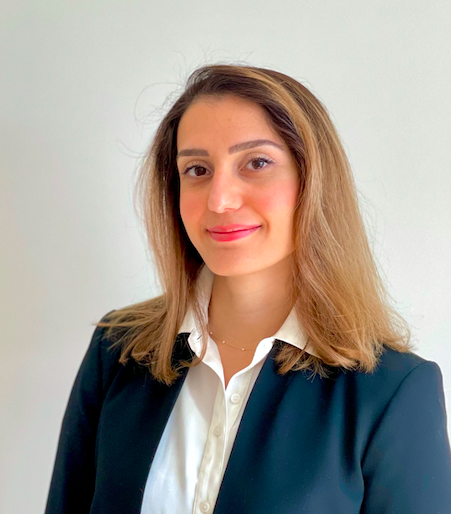
Dr. Roya Izadi (Political Science) will be leading a political science research study regarding anti-American behavior globally. While existing literature explores the causes and consequences of negative sentiments, there is a significant gap in understanding anti-American behavior. This project addresses this gap by analyzing original data on 5272 incidents against American citizens and interests worldwide from 1987 to 2015. The research question focuses on why groups/individuals choose specific actions versus others (e.g., decide to engage in non-violent protests versus decide to resort to bombing or other type of violent attacks) and the factors influencing their choice of targets (American businesses, tourists, diplomatic locations, military bases).
Significance: The theory suggests that resistance or opposition to the United States can be conceptualized as a reactive response to its multifaceted policies and actions in the global stage. In other words, how the world perceives U.S. actions, be they diplomatic, military, or economic, plays a pivotal role in shaping global behavior toward the U.S. The theory suggests that these behaviors are not random but linked to the perceived impact and consequences of U.S. initiatives. The results of the project are crucial for policymakers in assessing proper policy decisions/responses by the U.S. government.
- Launching the Rhode Island Temporary Caregiver Insurance Program (TCI): Employee Experiences One Year Later
 SSIREP faculty members Barbara E. Silver and Helen Mederer, along with Emilija Djurdjevic, PhD (also of URI) worked with the Rhode Island Department of Labor and Training to submit a detailed analysis of RI’s TCI program. (more…)
 - The Future of McCoy Stadium
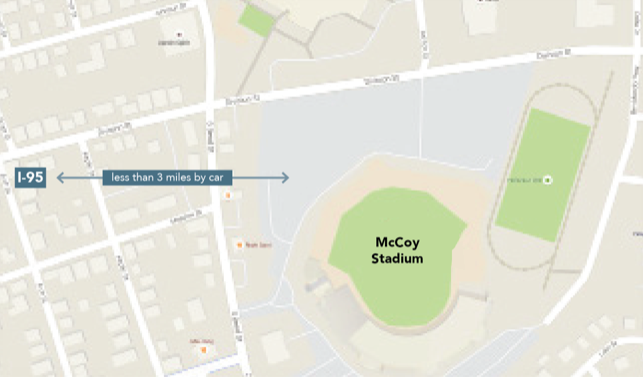 What should the state do with the soon to be vacant McCoy Stadium? Bridget Hall and Michael Steiner, in Shanna Pearson-Merkowitz’s 2016 HPR 412 course, conducted a detailed analysis of what options there are for the stadium and the costs and benefits of each option. (more…)
 - Year Round Education Analysis
 What are the impacts of a year round school calendar? Chris Maher, Superintendent of Providence Public School Department, asked University of Rhode Island students Kateri Gomes and Ana Nimaja to conduct an analysis on the details of year round education (YRE) and ultimately give the Providence school system a recommendation. (more…)
 - Short Term Rentals in Rhode Island
 University of Rhode Island MPA policy fellows Alice Aieskoll, Jake Clemen, Jenna Maloney, and Zachary Perkins were asked by the The Rhode Island League of Cities and Towns to analyze the short term rental environment throughout the state. Their examination focuses on best practices and policy recommendations for the burgeoning short term rental markets throughout each municipality in Rhode Island. Read the full report.
 - Evaluation of Rhode Island’s Autism Project
 Joseph J. Armendarez wrote a program evaluation proposal for the Rhode Island Autism Project in his PSC 505: Public Program Evaluation class. At the time, he was interning for The Autism Project, and staff from the organization asked him to follow through with the proposal and complete the evaluation. Below is the proposal and completed report. Read the proposal here, or read the report here.
 - Seaport Risk Assessment
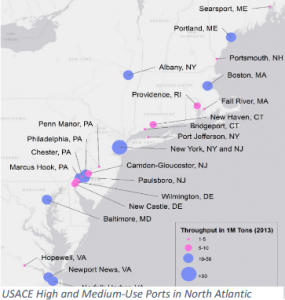 SSIREP fellow Austin Becker and PhD candidate Duncan McIntosh have been working to direct their research toward assessing the risks posed at seaports in the face of climate change. (more…)
 - Summer Youth Employment Program Recommendations
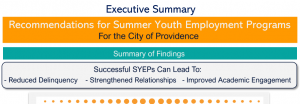 What are best practices in designing a government run summer youth employment program (SYEP)? Students in PSC 524 students conducted an analysis of best practices of SYEPs for the City of Providence and the Department of Labor and Training. You can read the executive summary here, and the final report is available here.
 - Legalization of Marijuana in Rhode Island
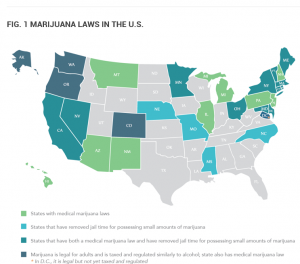 Should Rhode Island Legalize Marijuana? Students Mark Bocchini, Catherine Garcia, Dakota Porto, and Sarah Sangeado worked on researching the details of Marijuana Legalization in Rhode Island in Shanna Pearson-Merkowitz’s HPR 412. (more…)
 - The Town of Bristol Recycling Program: A Policy Analysis
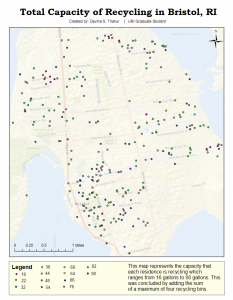 Aaron Ley and MPA student student Devina Thakur as part of a class on administrative theory (PSC 501) completed this policy analysis for the Town of Bristol’s Department of Public Works. It puts forth several options for transitioning recycling pickup from a manual collection system to an automated curbside collection system. Read the full report here.
 - The Economic Benefits of a Flexible Workplace
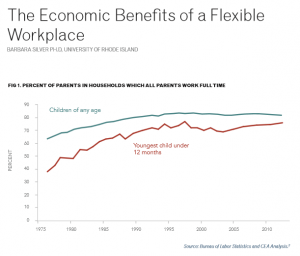 SSIREP fellow Barbara Silver, in 2016, conducted a detailed analysis on the economic implications of work-life balance and the growing demand for flexible workplaces. Her work was published through The Collaborative. Read a copy of the full report here.
 - Ensuring Paid Family Leave Pays Off
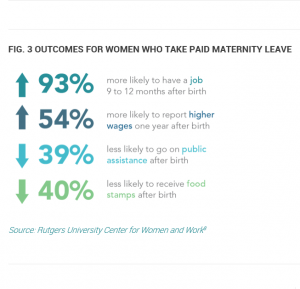 Rachel-Lynn Longo, with Shanna Pearson-Merkowitz, looked at the benefits of paid family leave and researched how to ensure that all workers see those benefits. The full report is available here. (This report was published by The Collaborative. The link provided for the full report is from an archived copy of their website. As a result, some linked resources may not display as originally intended.)
 - Improving Outcomes for Foster Youth in Rhode Island
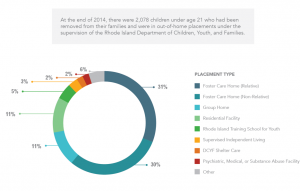 Sacanna Bebe, Vanessa Kolb, Brittany Kraft, and Robert Krule were asked by the RI state legislature to study how to improve outcomes for foster youth in Rhode Island. There received guidance from SSIREP fellow, Shanna Pearson-Merkowitz. The report brief can be read here, and the full work can be found here. (This report was published by The Collaborative. The link provided for the full report is from an archived copy of their website. As a result, some linked resources may not display as originally intended.)
 - The Economic Impact of Expanding Medicaid
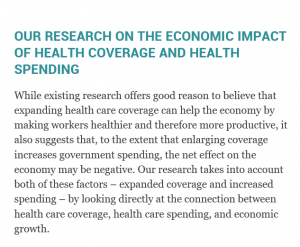 SSIREP fellows Shanna Pearson-Merkowitz and Liam Malloy did a deep analysis on the impact of Medicaid expansion, including how health insurance coverage rates and health care spending levels can affect economic growth. Read the full report here. (This report was published by The Collaborative. The link provided for the full report is from an archived copy of their website. As a result, some linked resources may not display as originally intended.)