At EDI, we are passionate about outreach, especially with local schools and communities, to inspire the next generation about civics and industrial engineering. Elections offer an excellent opportunity to demonstrate how engineering influences daily life, from voter wait times and polling station design to the roles of election officials and workers to the voting experience itself. Our K-12 programs transform these real-world questions into hands-on learning experiences suitable for both STEM and social studies classes.
This section features three sets of free, ready-to-use resources, created in collaboration with leading national partners. Collectively, these resources invite curiosity, teamwork, and a deeper appreciation for the engineering that shapes our world and how we vote.
Human Factors & Ergonomics (HF/E)
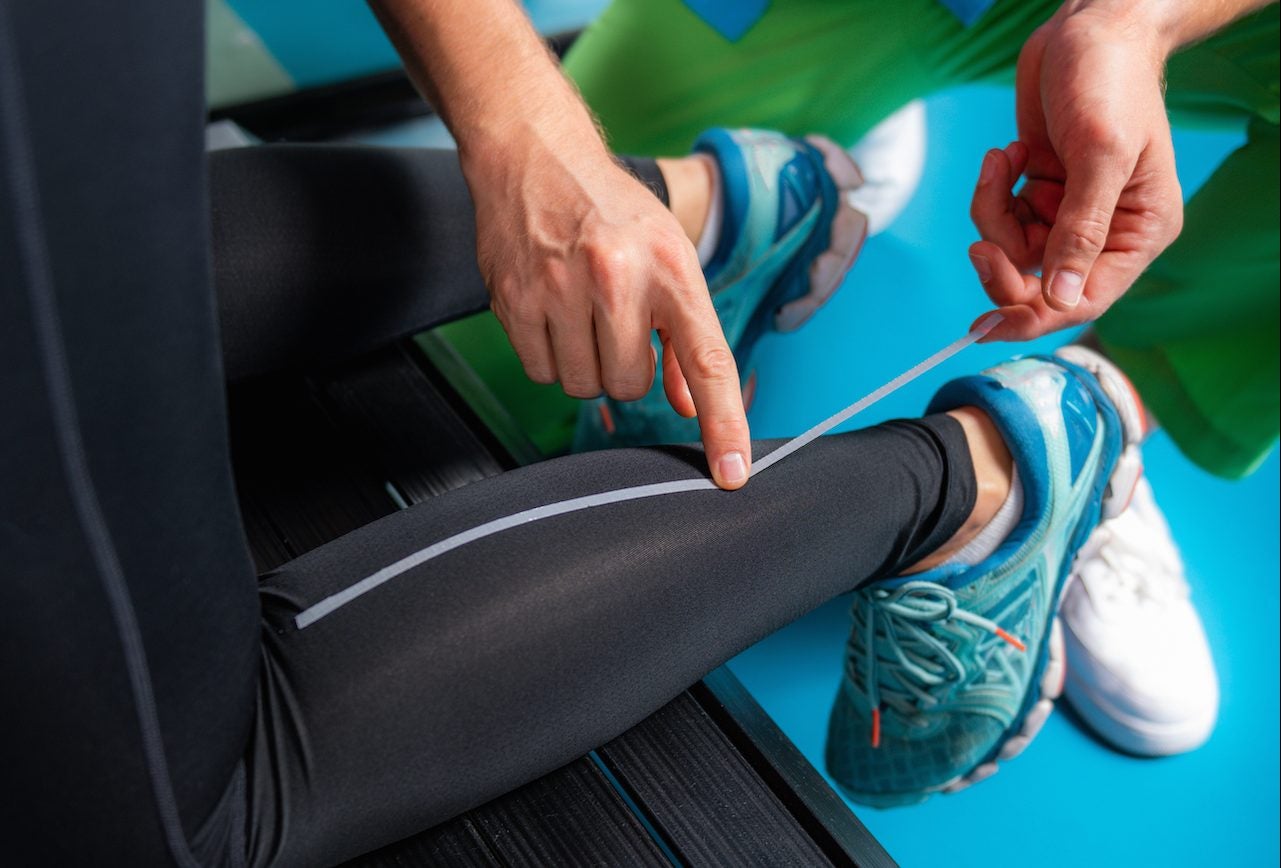
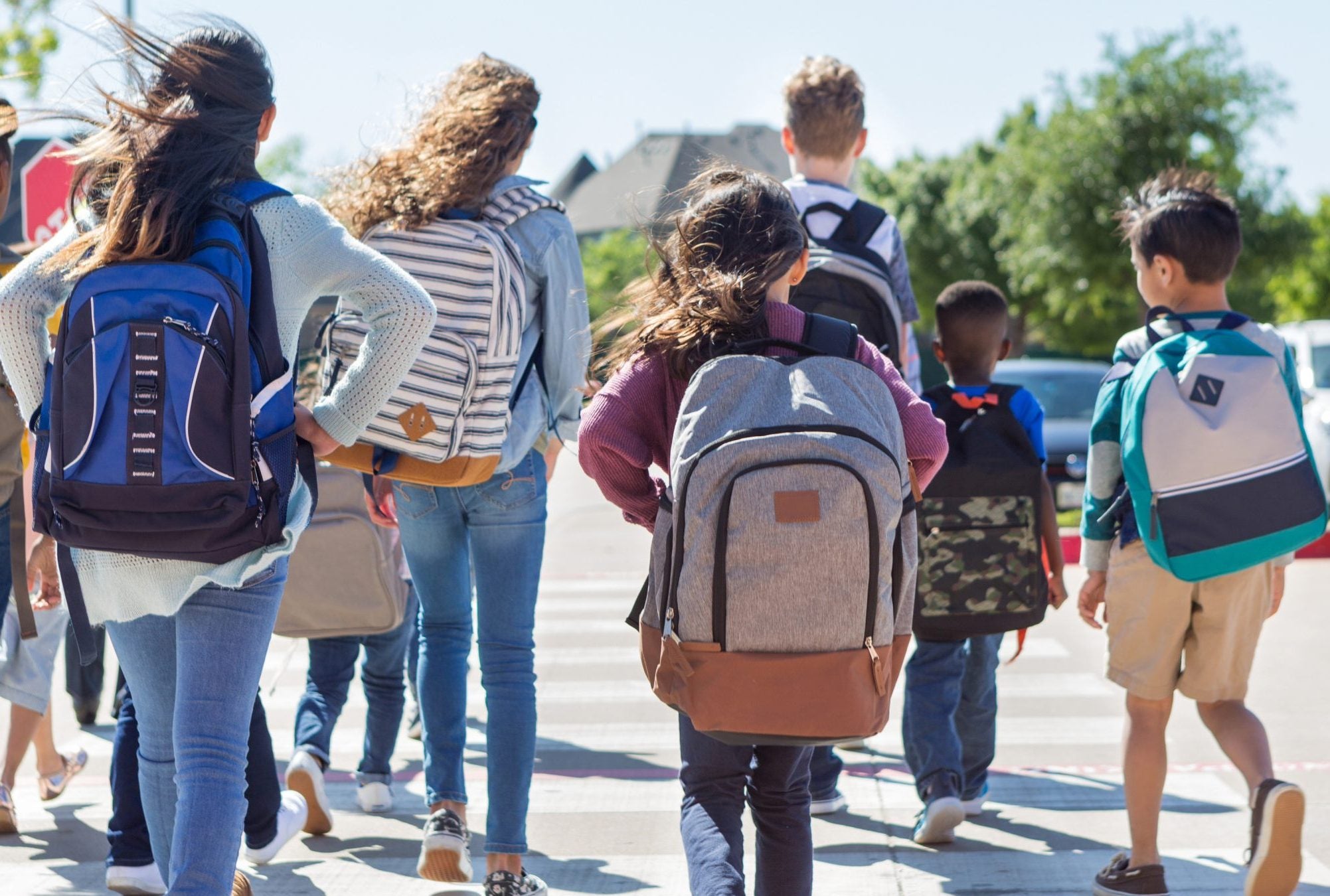
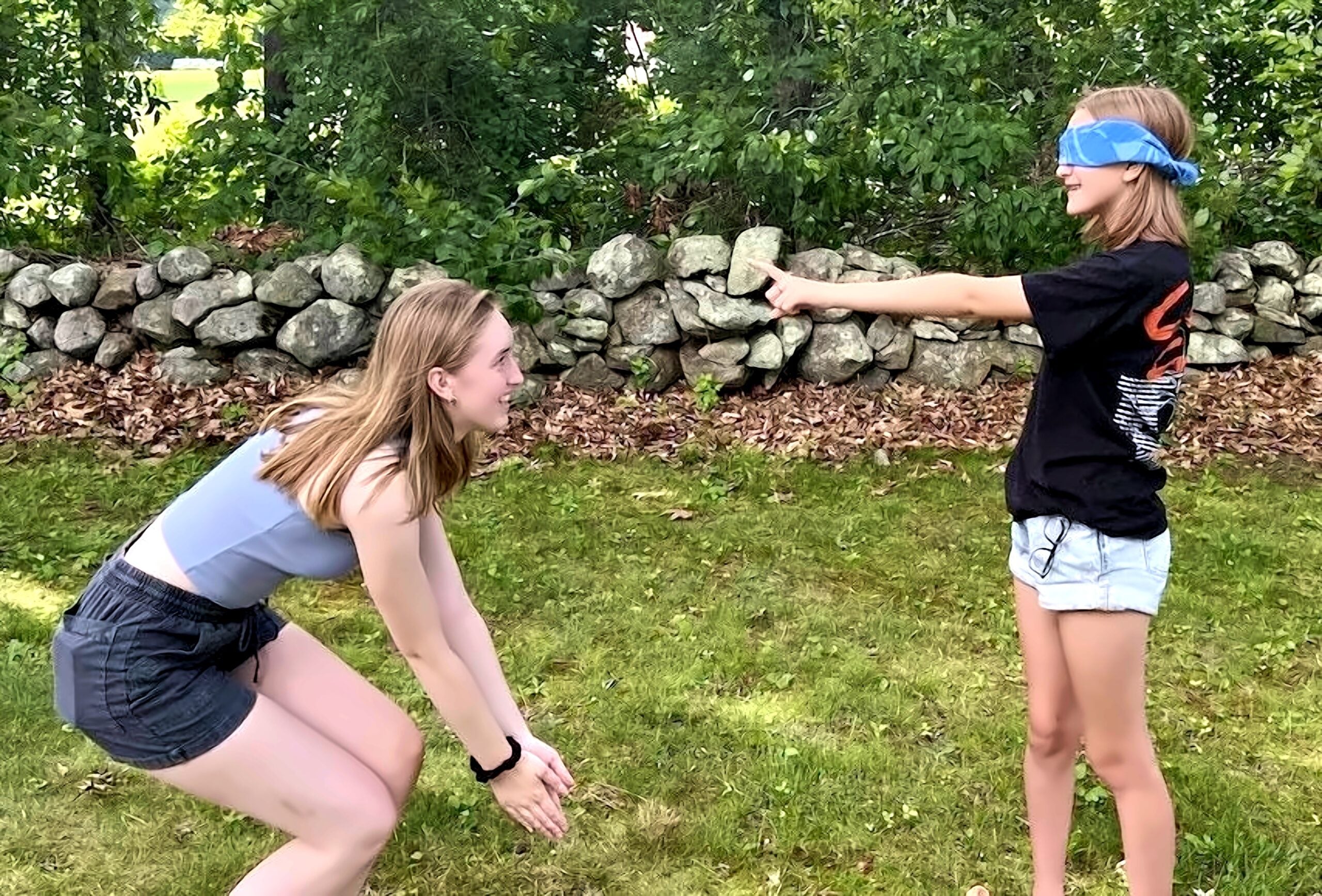
Human Factors and Ergonomics (HF/E) studies how tools, spaces, and systems can be tailored to fit the human body and mind. Our hands-on activities let students experience this firsthand by engaging their senses and movements—measuring grip strength, testing directional hearing, designing a remote that fits a partner’s hand, comparing backpack posture, and tackling cognitive and teamwork challenges that shape how people interact with their environment.
Created in collaboration with the Human Factors and Ergonomics Society (HFES) National Ergonomics Month committee, these K-12 activities span multiple grade levels and connect STEM subjects to human experiences. Each activity offers students an engaging, hands-on way to understand how thoughtful design begins with human needs—principles that are also essential to building better elections.

Partner