
Metabolic diseases, including obesity, Type 2 diabetes, metabolic dysfunction-associated steatotic liver disease (MASLD) and related cardiovascular conditions, represent one of the most urgent public health challenges of the 21st century. These disorders affect hundreds of millions of people worldwide and impose a significant clinical and economic burden.
Despite advances in therapeutic options, significant gaps remain in understanding why metabolic diseases develop, why they progress differently among individuals, and why patients often respond differently to treatments. Addressing these challenges requires research that connects fundamental biological mechanisms with clinical outcomes and patient care.
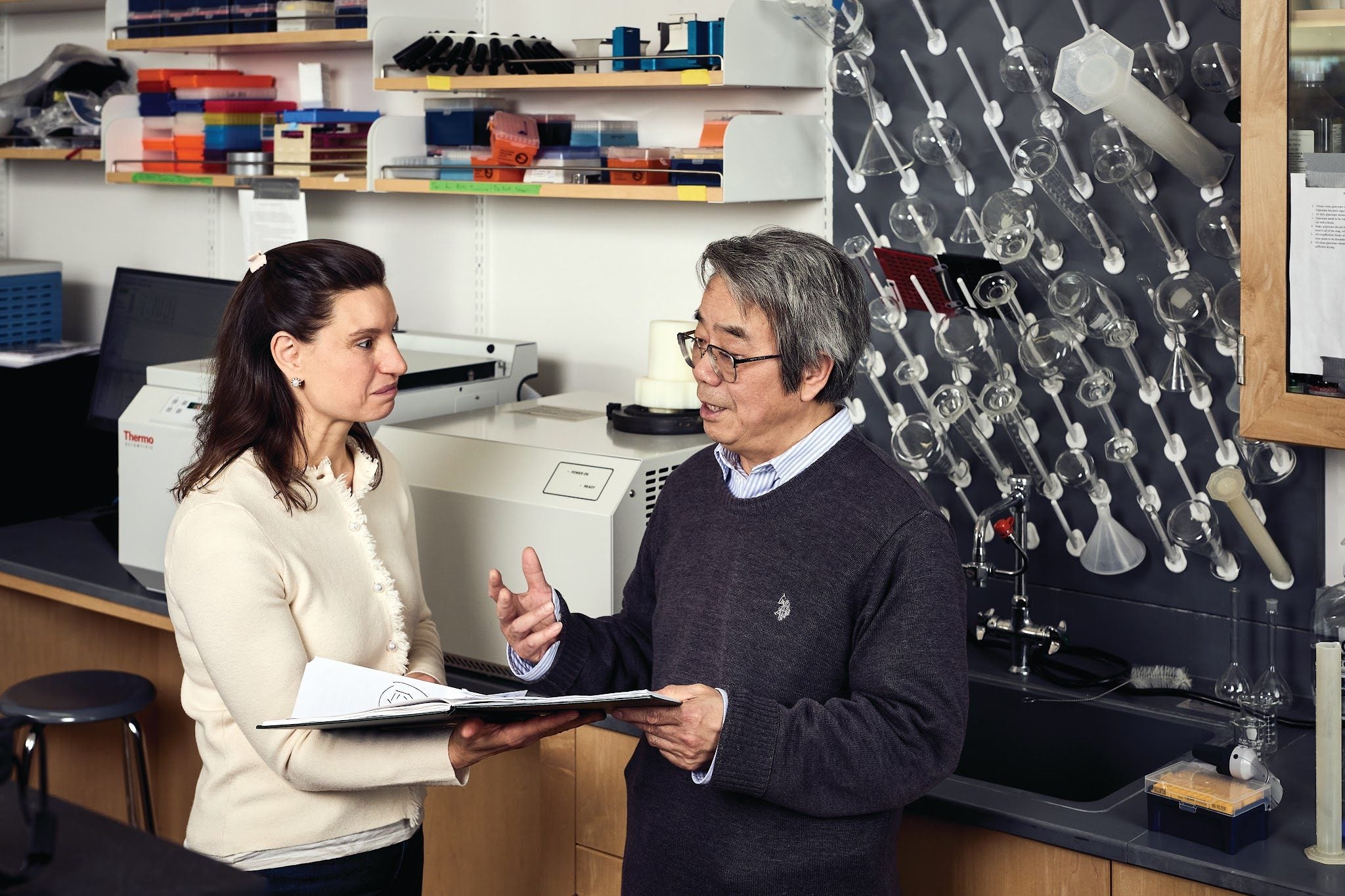
At the University of Rhode Island College of Pharmacy, researchers are tackling these questions through interdisciplinary investigations that span molecular biology, pharmacology, computational modeling, and clinical translation. Faculty members, including Professor Ruitang Deng, Associate Professor Nisanne Ghonem, and Assistant Professor Brahim Achour are advancing new insights into metabolic disease while developing strategies to improve treatment and patient outcomes.
Together, their work integrates molecular discovery, quantitative modeling and translational research to advance metabolic health.
Decoding metabolism in the liver
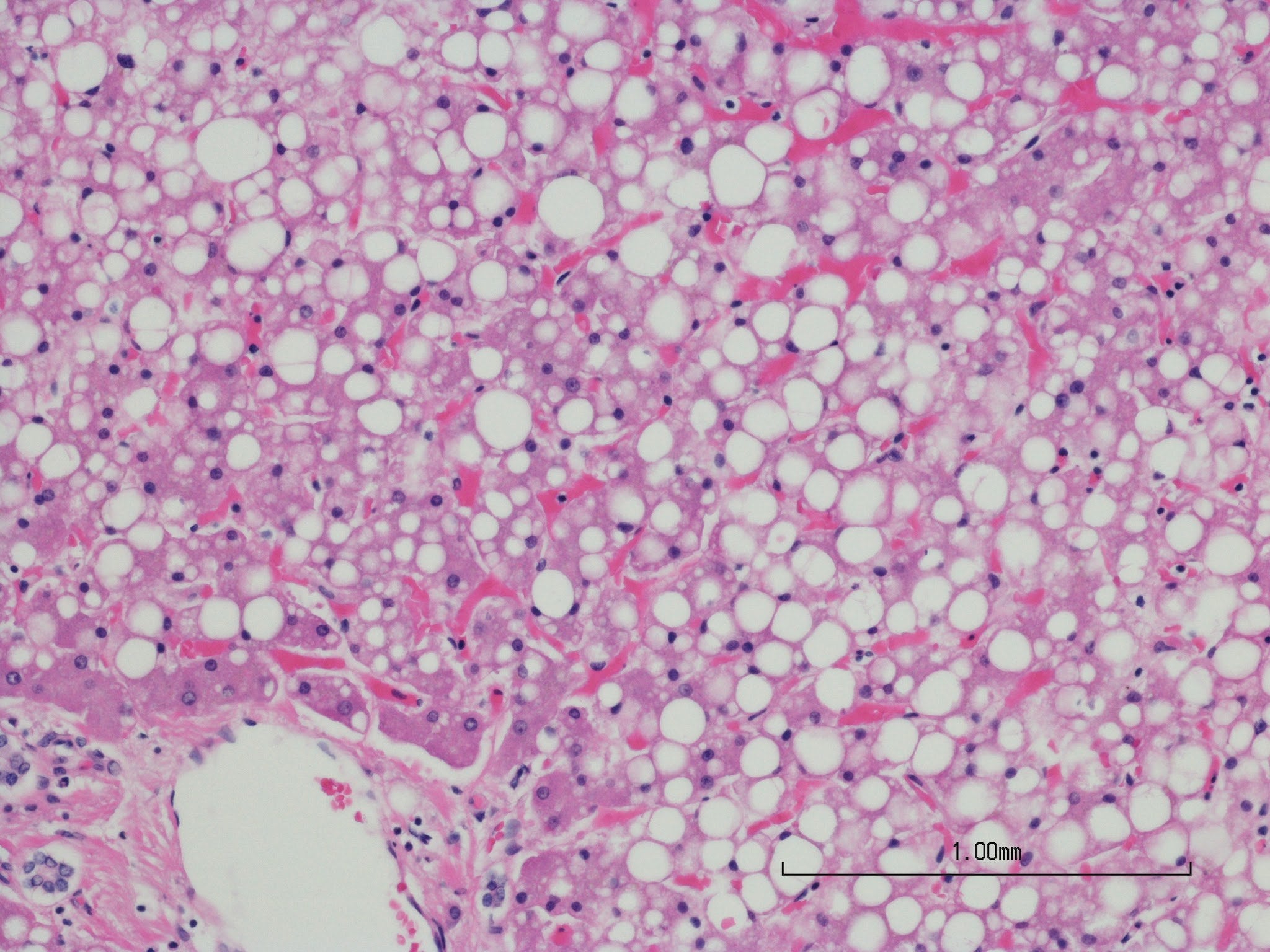
The liver plays a central role in regulating nutrients, cholesterol, and bile acids that maintain metabolic balance. Deng, professor of biomedical and pharmaceutical sciences, studies how disruptions in bile acid signaling and cholesterol metabolism contribute to liver disease and metabolic dysfunction. Bile acids are metabolites of cholesterol that function not only in digestion but also as hormone-like signaling molecules that regulate metabolic pathways through multiple receptors.
When bile acid regulation is disrupted, it can contribute to a wide range of diseases, including intrahepatic cholestasis of pregnancy, drug-induced liver injury, hepatocellular carcinoma, MASLD and diabetes.
One research project in Deng’s laboratory investigates the molecular mechanisms that drive hepatocellular carcinoma (HCC), the most common form of liver cancer. Using genetically modified mouse models, his team has discovered that dysregulated bile acid signaling can alter expression of a gene known as ubiquitin-specific peptidase 2, or USP2.
“Together, these efforts reflect a shared mission: translating scientific discovery into better therapies and improved health for patients and communities.”Ruitang Deng, Nisanne Ghonem and Brahim Achour
USP2 is a deubiquitinating enzyme involved in protein stability, DNA replication, transcription and mitochondrial apoptotic pathways. Deng’s lab found that bile acid dysregulation can cause abnormal USP2 activity in liver cancer patients. Under different biological conditions, USP2 may function as either a tumor suppressor or a tumor promoter during various stages of tumor development.
These findings provide a molecular basis for potential therapies targeting the bile acid and USP2 pathway to treat liver cancer.
A second research program in Deng’s lab examines the relationship between liver disease and pregnancy outcomes. Clinical evidence suggests that women with liver disorders such as intrahepatic cholestasis of pregnancy or MASLD face higher risks of complications, including preterm birth and stillbirth.
Deng’s team recently identified that dysregulated bile acids can trigger pregnancy complications through specific receptor pathways. Using genetically engineered mouse models, the team is investigating therapies that may reduce these risks and improve outcomes.
Linking metabolic disruption to liver disease
Building on these insights, Ghonem, associate professor of biomedical and pharmaceutical sciences, studies how metabolic signaling pathways regulate liver injury and chronic disease.
Her research focuses on nuclear receptors and molecular regulators that control gene expression in response to metabolic signals. These receptors play key roles in lipid metabolism, glucose homeostasis and inflammation.
Ghonem’s laboratory studies cholestatic liver diseases such as primary biliary cholangitis and primary sclerosing cholangitis, progressive conditions characterized by the accumulation of bile acids that can become toxic and cause liver injury. Over time, this buildup can lead to liver failure, cirrhosis and cancer.
A major focus of her work is understanding how bile acid detoxification pathways help protect the liver. One critical mechanism is glucuronidation, a phase II metabolic process in which enzymes from the UGT family attach glucuronic acid to bile acids, making them less toxic and easier for the body to eliminate.
Her research investigates how these detoxification pathways function in patients with cholestatic liver disease and how they may serve as indicators of treatment response.
Ghonem’s work also explores the therapeutic potential of peroxisome proliferator-activated receptor agonists such as fibrates. These drugs activate nuclear receptors that regulate genes involved in lipid metabolism, inflammation and bile acid homeostasis. Although early studies suggest that fibrates may reduce liver injury in cholestatic disease, their mechanisms remain poorly understood.
By identifying how PPAR signaling affects bile acid metabolism, Ghonem’s research aims to guide the development of more effective treatments for these currently incurable liver diseases.
Personalizing treatment through precision pharmacology
Brahim Achour, assistant professor of biomedical and pharmaceutical sciences, focuses on how medications behave differently across individuals and disease states.
His work centers on pharmacokinetics and pharmacodynamics, the study of how drugs are absorbed, distributed, metabolized and eliminated in the body.
Achour applies advanced modeling approaches, including physiologically based pharmacokinetic modeling, to predict drug exposure and response in patients with metabolic disease and related conditions. Liver disease can alter the body’s ability to metabolize medications, creating challenges for safe and effective dosing.
Using bioanalytical techniques and computational models, his research predicts how drugs and drug combinations behave in patients with MASLD, diabetes and lipid disorders.
This work helps inform clinical decision-making related to drug selection, dose adjustments and management of polypharmacy, particularly in patients with complex metabolic conditions. By integrating quantitative pharmacology with clinical data, Achour’s research supports precision medicine approaches tailored to individual patients.
Bridging discovery and patient impact
Metabolic diseases arise from complex interactions among genetics, metabolism, inflammation, environment and pharmacotherapy. Understanding these conditions requires collaboration across multiple disciplines.
At the URI College of Pharmacy, researchers are advancing this effort by connecting molecular biology, quantitative modeling and translational science. Their work provides new insights into the mechanisms that drive metabolic disease while informing strategies to improve prevention, diagnosis and treatment.
By linking discovery with clinical relevance, these interdisciplinary research programs are helping move the field toward more precise and effective approaches to managing metabolic health.
Together, these efforts reflect a shared mission: translating scientific discovery into better therapies and improved health for patients and communities.
RhodyRx – Research, Innovation & Impact
We have some exciting news… the newest issue of RhodyRx is here!
VIew the Full report