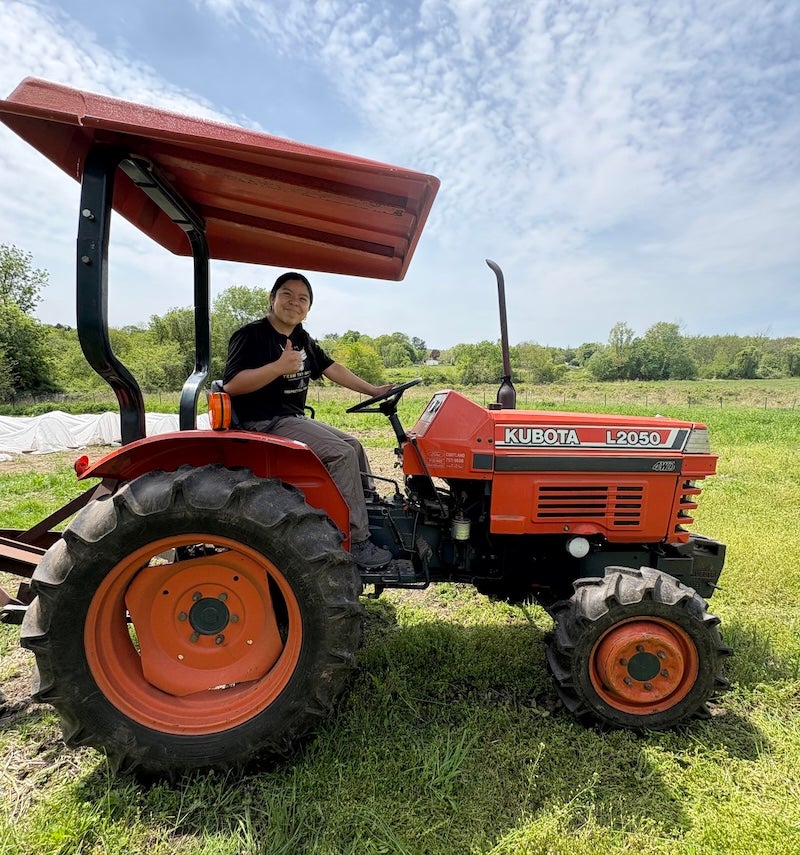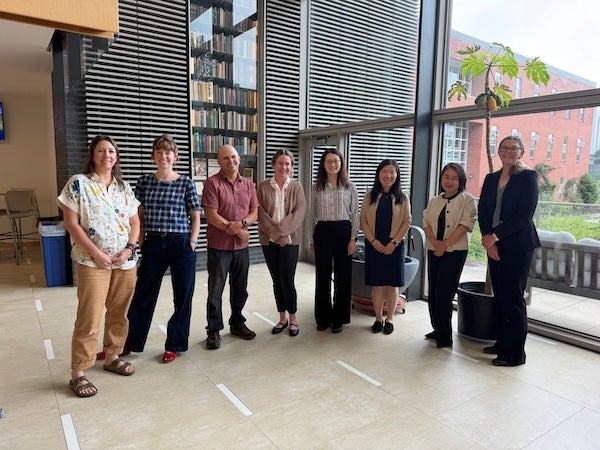
Local industries and organizations can gain extra help on projects by hosting a URI student fellow, while students gain valuable skills and get to make an impact. There are a variety of ways that companies and organizations can partner with the University, to help welcome and work with top undergraduate and graduate students from URI, selected in a competitive process.
Continue reading "Mentors / sponsors welcomed to host, work with URI students in Cooperative Extension Fellows programs"Category: News
URI water expert from Nepal shares insight into recent flood in South Asian nation
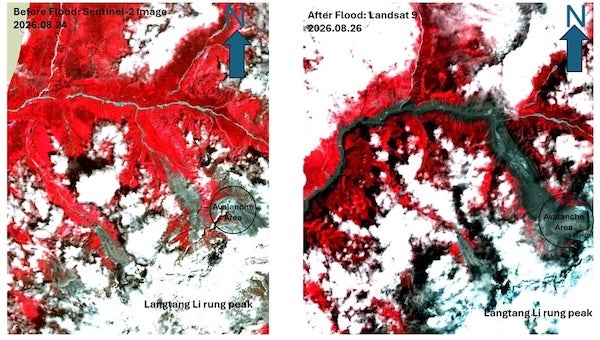
For URI water scientist Dr. Soni Pradhanang, the recent avalanche and flooding in Nepal is both a scientific event and a deeply personal one. Raised in Kathmandu, Pradhanang studies flooding, water resources and mountain hazards. Alongside Ph.D. student Pratik Singh Thakuri, also from Nepal, she is examining the Aug. 26 event using satellite imagery and hydrologic expertise.
Continue reading "URI water expert from Nepal shares insight into recent flood in South Asian nation"New audio tour highlights indigenous cultural significance of plants in URI’s Youngken Medicinal Garden
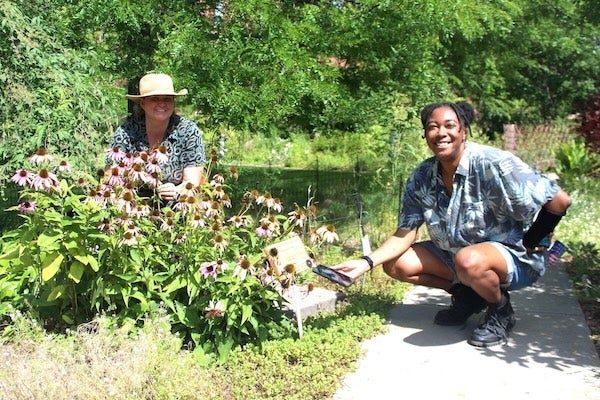
Visitors also learn medicinal uses of therapeutic plants during immersive experience in the tranquil space.
Continue reading "New audio tour highlights indigenous cultural significance of plants in URI’s Youngken Medicinal Garden"Getting To Know Gray Wolves: Q&A With Joshua Carr
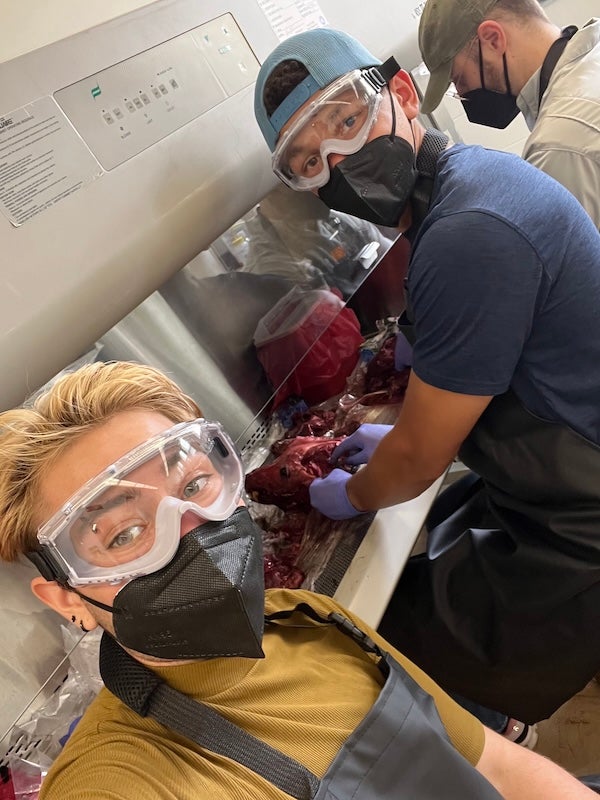
Marine biology junior Joshua Carr spent his summer investigating a rare behavior in wildlife research: gray wolves hunting and consuming sea otters.
Continue reading "Getting To Know Gray Wolves: Q&A With Joshua Carr"Tracking nutrient pollution: Q&A with Carissa Sherman
Carissa Sherman is bringing GIS and environmental data to bear on one of Narragansett Bay’s most persistent water-quality challenges.
Continue reading "Tracking nutrient pollution: Q&A with Carissa Sherman"Bay to bayou: URI biologist to lead $4 million NSF grant to advance wetland restoration in Rhode Island and Louisiana
Dr. Ying Zhang, professor of cell and molecular biology, recently received a $4 million grant from the U.S. National Science Foundation to co-lead a collaboration with Louisiana State University to improve coastal wetland management in both states.
Continue reading "Bay to bayou: URI biologist to lead $4 million NSF grant to advance wetland restoration in Rhode Island and Louisiana"Exploring How Coral Reef Habitat Loss Affects Fish: Q&A with Sofia Grabiel Butler
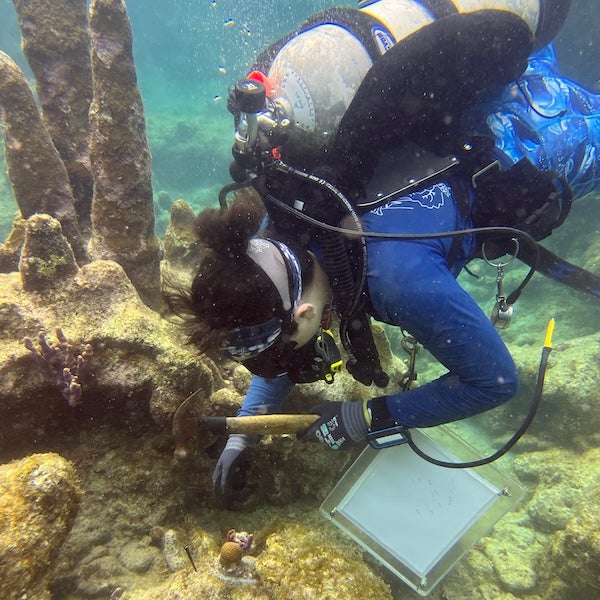
This summer, marine biology major Sofia Grabiel Butler traveled to Guana Island in the British Virgin Islands to investigate how coral reef habitat loss may be contributing to declines in fish populations.
Continue reading "Exploring How Coral Reef Habitat Loss Affects Fish: Q&A with Sofia Grabiel Butler"From Penguins to Rabbits: URI Undergraduates Help Improve Success of Conservation Breeding Programs for Imperiled Species
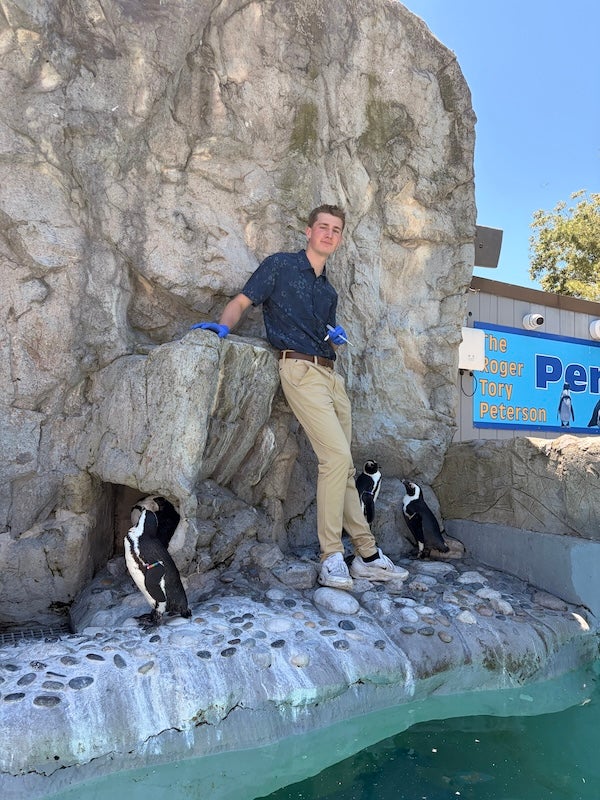
From penguins to rabbits, URI students are helping give imperiled species a better chance at survival. Under the mentorship of URI’s Justin Richard and in partnership with leading zoos and aquariums, these CELS Summer Research Fellows are contributing to conservation efforts that reach far beyond the classroom.
Continue reading "From Penguins to Rabbits: URI Undergraduates Help Improve Success of Conservation Breeding Programs for Imperiled Species"Protecting Fish from Wildfire Runoff: Q&A with Garfield Kwan
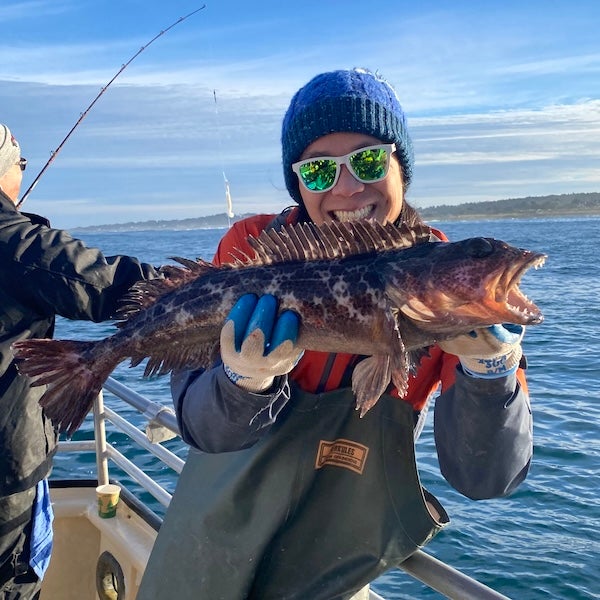
Dr. Garfield Kwan joins URI as an assistant professor of fish ecophysiology in the Department of Fisheries, Animal and Veterinary Science. His research explores how fish respond to aquaculture, wildfire runoff, and future ocean conditions.
Continue reading "Protecting Fish from Wildfire Runoff: Q&A with Garfield Kwan"Bridging Earth Science and Community: Q&A with Carolina Michel
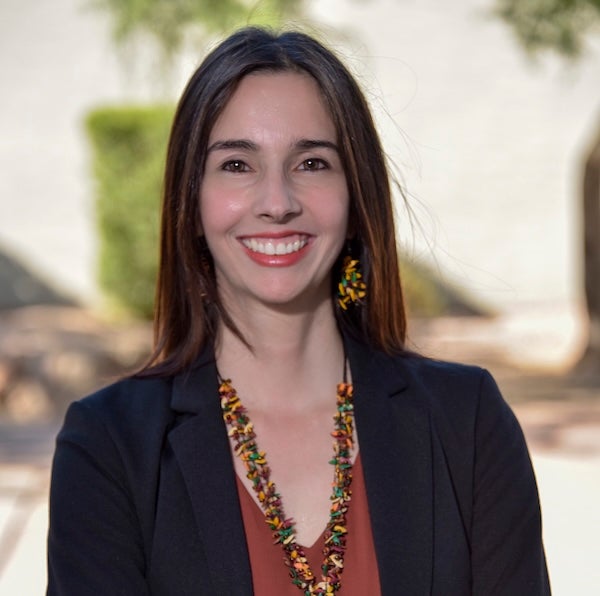
Dr. Carolina Michel is excited to explore how Indigenous knowledge and Western science can inform each other, how arts-integrated and place-based learning shape students’ sense of belonging in the geosciences, and what it means to build a department where interdisciplinary work is the starting point, not an afterthought.
Continue reading "Bridging Earth Science and Community: Q&A with Carolina Michel"