
Expanded awards program recognizes graduate leaders focused on natural sciences, social sciences, policy, economics, and communications
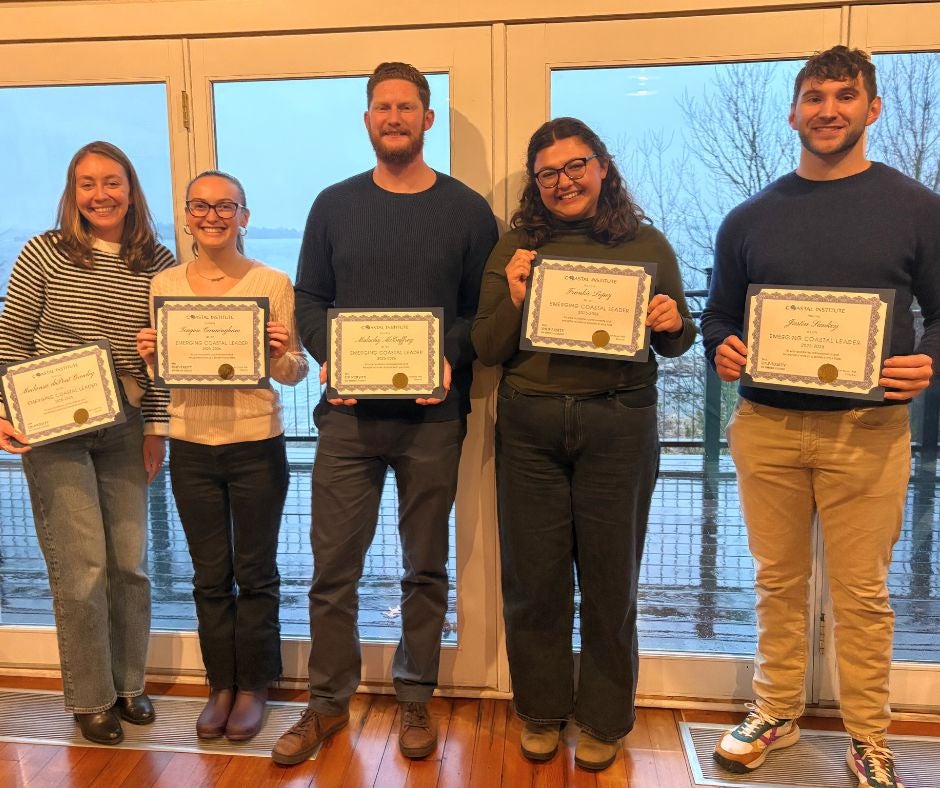
The University of Rhode Island Coastal Institute is pleased to announce its 2025 Emerging Coastal Leader awardees. The program recognizes graduate students whose research advances understanding of coastal and marine systems and supports evidence-based decision-making in Rhode Island, the region, and beyond.
This year’s 10 recipients of the Emerging Coastal Leaders Awards reflects an expanded cohort prompted by an exceptionally strong applicant pool. Awardees span the natural sciences, social sciences, policy, economics, and communication — demonstrating the interdisciplinary strength that underpins URI’s national leadership in coastal and ocean scholarship.
“This cohort highlights the depth of talent and purpose within URI’s coastal and environmental sciences,” says Elin Torell, director of the Coastal Institute. “Mentoring emerging researchers is an essential part of the Institute’s work, and we look forward to supporting these students as they grow into the collaborative leaders our coastal communities will rely on in the years ahead.”
The Emerging Coastal Leaders Program provides a research stipend and opportunities for awardees to engage with the Coastal Institute community and share their work across the University.
Four GSO students and one staff member are awardees:
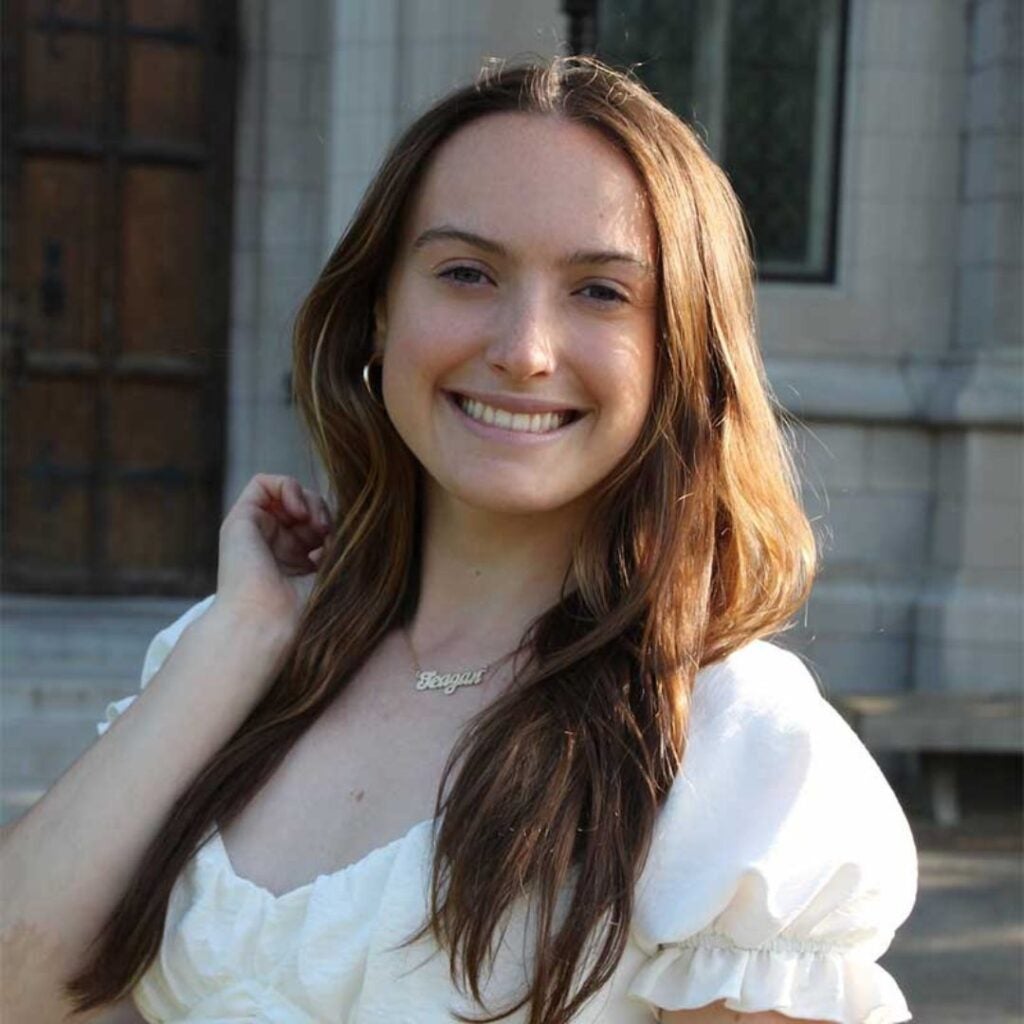
Teagan Cunningham
M.S., Oceanography, GSO
Teagan Cunningham uses the Regional Ocean Modeling System to simulate nutrient transport from open-net pen aquaculture in Maine. Her research evaluates how nutrient inputs influence coastal water quality and ecological dynamics. Cunningham collaborates with the Maine Department of Environmental Protection and the Conservation Law Foundation to strengthen nutrient monitoring and inform aquaculture permitting. Her work bridges physical oceanography, field sampling, and applied coastal management.
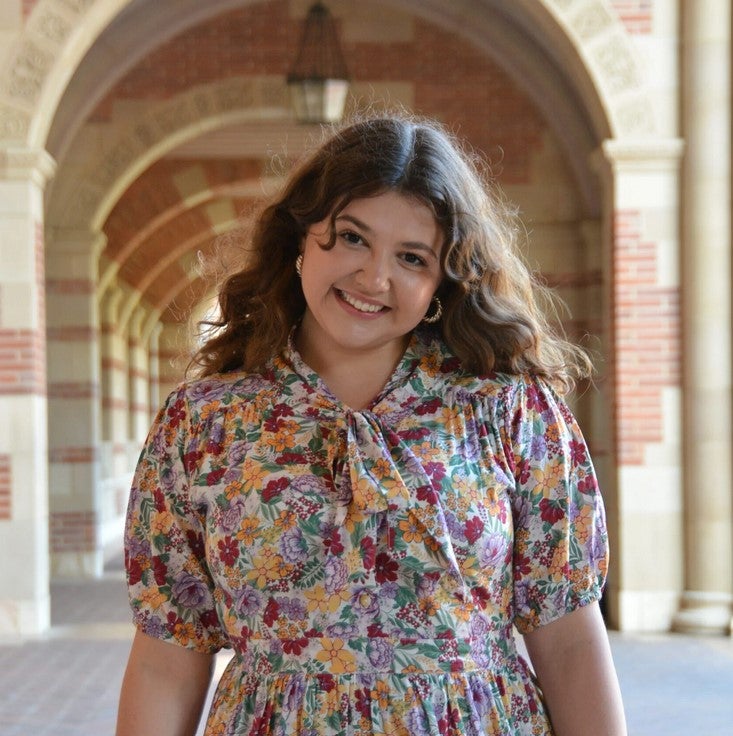
Frankie Lopez
Ph.D., Oceanography, GSO
Frankie Lopez researches predator–prey interactions among plankton on the Northeast U.S. Continental Shelf as part of the NES LTER (Northeast U.S. Shelf Long-Term Ecological Research) program. Lopez combines shipboard sampling, laboratory experiments, and ecological modeling to understand how environmental variability shapes plankton dynamics, carbon flow, and biogeochemical cycles. Her work provides insight into how foundational ocean processes may shift under changing climate conditions.
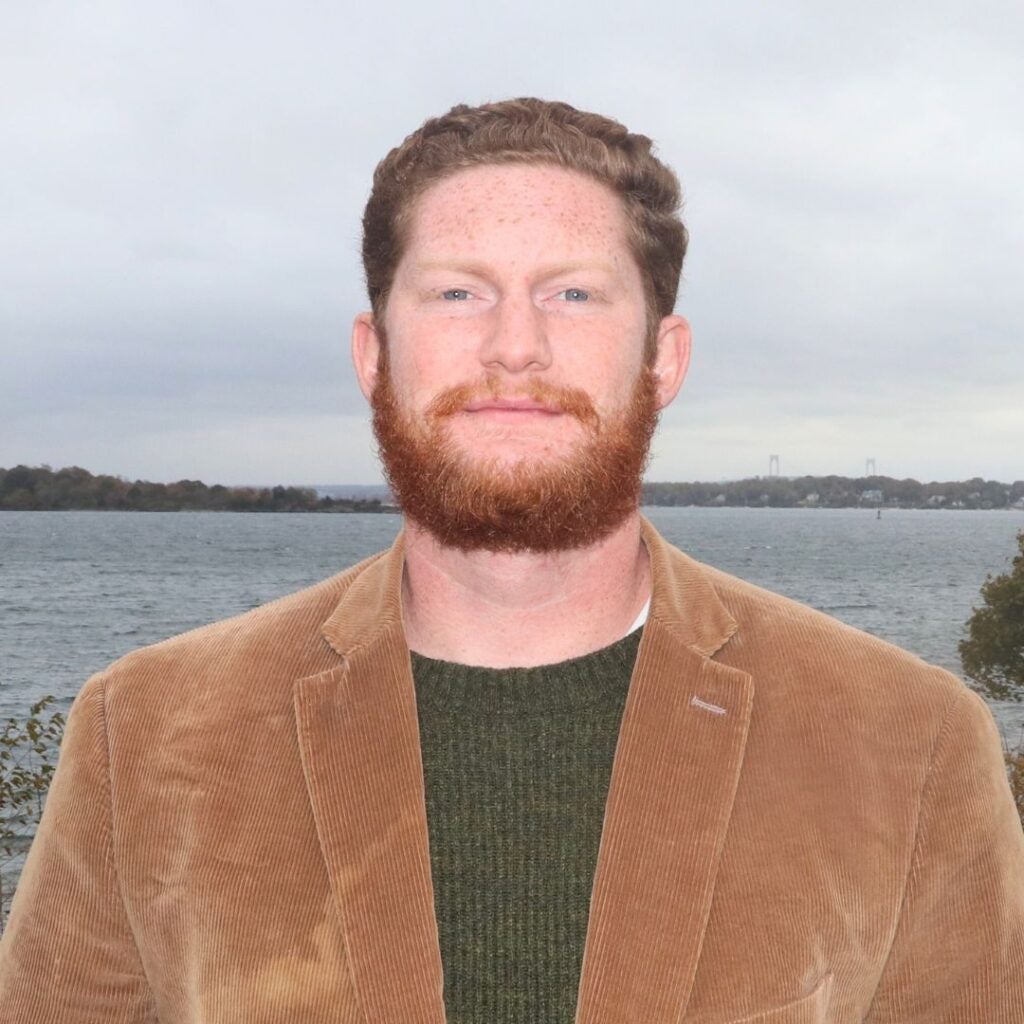
Malachy McCaffrey
M.S., Oceanography, GSO
Malachy McCaffrey, an NSF Graduate Research Fellow, investigates changes in vessel activity around offshore wind farms in Southern New England. His research integrates GIS, remote sensing, and qualitative interviews to understand how commercial, recreational, and industrial users interact within evolving marine spaces. McCaffrey brings extensive field experience — from the Bering Sea to the Florida Reef Tract — and works at the intersection of ocean science, community engagement, and environmental justice.
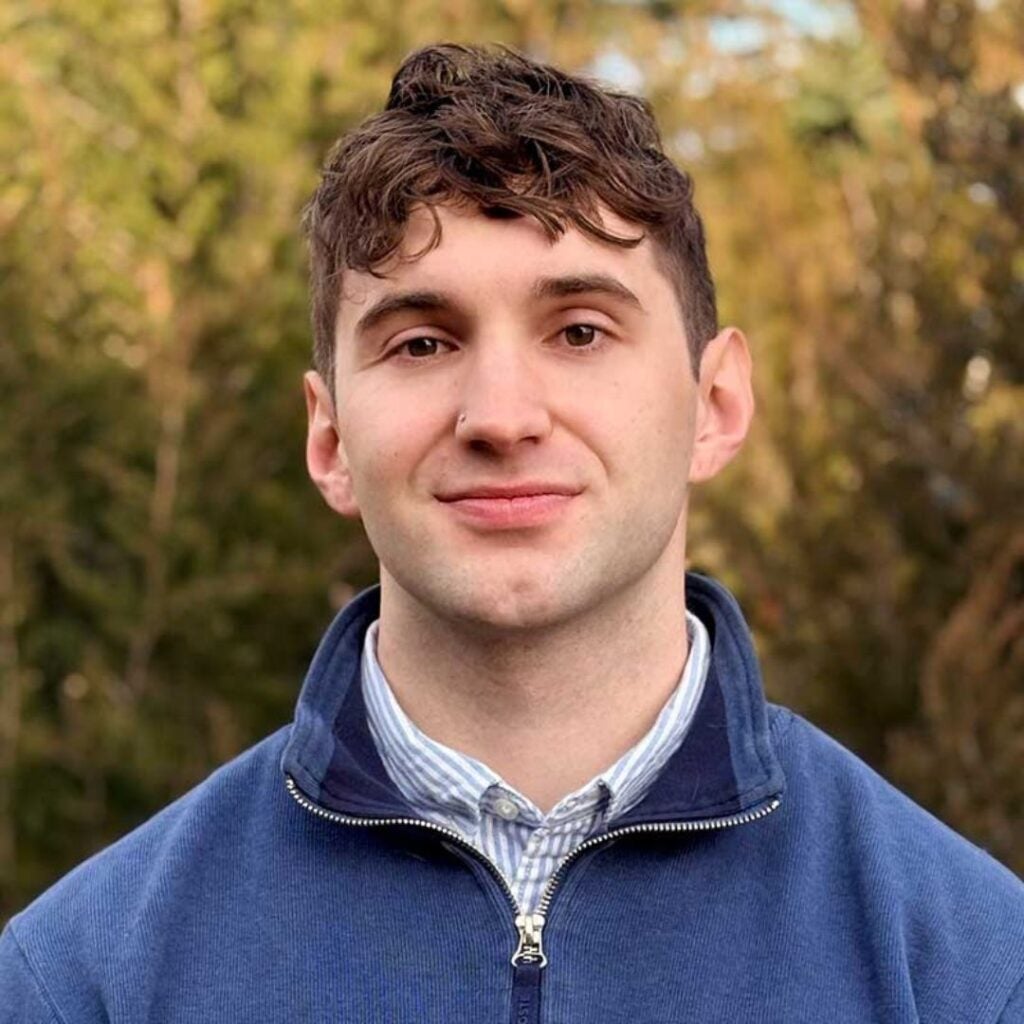
Justin Sankey
Ph.D., Oceanography, GSO
Justin Sankey investigates PFAS contamination in estuaries and coastal ecosystems, focusing on sorption behavior, environmental transport, and the development of adsorbent materials for remediation. Sankey coordinates multi-partner sampling efforts and collaborates with aquaculture practitioners and Tribal partners, including the Mashpee Wampanoag Tribe, to assess PFAS exposure pathways. His work spans field research, laboratory experimentation, and applied environmental chemistry.
Mackensie duPont Crowley
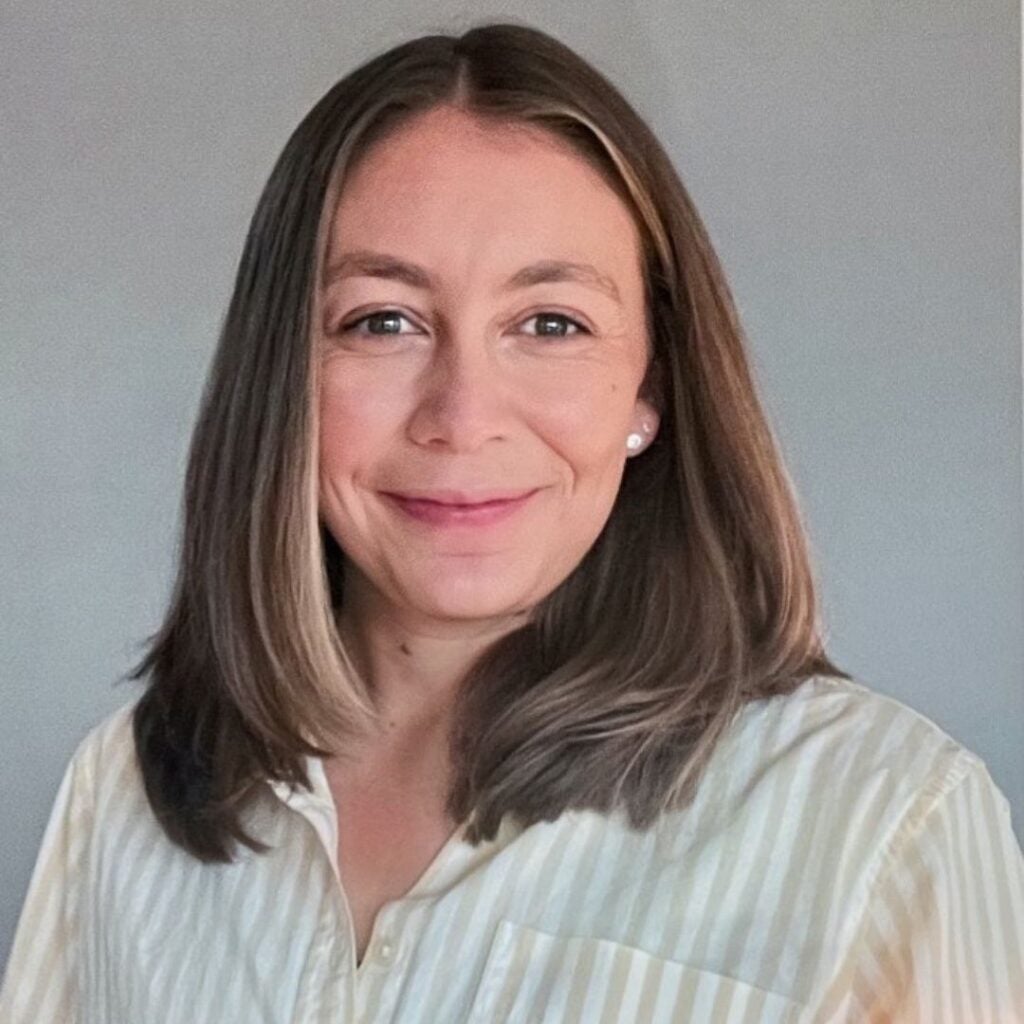
M.A., Communication Studies, Harrington School of Communication and Media | GSO Public Engagement
Mackensie duPont Crowley examines how Rhode Island newspapers frame sea level rise, emphasizing narrative structure, journalistic constraints, and the translation of complex climate science for public audiences. Her work contributes to understanding how local media shape awareness of climate risk and community preparedness. duPont Crowley brings experience from Save The Bay and the Surfrider Foundation and manages digital communications at the Graduate School of Oceanography.
This year’s awardees were celebrated at the Coastal Institute Mid-Year Meeting on Dec. 2. The event included highlights from several members of last year’s cohort, who provided updates on their research progress.
The URI Coastal Institute catalyzes research and partnerships that strengthen the resilience of coastal ecosystems and the communities that rely on them. Through interdisciplinary collaboration, knowledge exchange, and engagement with regional and global partners, the Institute advances science-based solutions to coastal and watershed challenges. For more information, contact Amber Neville at 401-874-6513 or visit https://ci.uri.edu.
This press release was written by Amber Neville, with the URI Coastal Institute.